
Dr C B Singh - B
About Me
Dr C B Singh - B
MBBS
General Physician
10 Years Experience
Biography
My Clinic
OPD Hours
| Monday | Morning | 10:00 AM | - | 02:00 PM |
| Evening | 06:00 PM | - | 09:00 PM | |
| Tuesday | Morning | 10:00 AM | - | 02:00 PM |
| Evening | 06:00 PM | - | 09:00 PM | |
| Wednesday | Morning | 10:00 AM | - | 02:00 PM |
| Evening | 06:00 PM | - | 09:00 PM | |
| Thursday | Morning | 10:00 AM | - | 02:00 PM |
| Evening | 06:00 PM | - | 09:00 PM | |
| Friday | Morning | 10:00 AM | - | 02:00 PM |
| Evening | 06:00 PM | - | 09:00 PM | |
| Saturday | Morning | 10:00 AM | - | 02:00 PM |
| Evening | 06:00 PM | - | 09:00 PM | |
| Sunday | Morning | 10:00 AM | - | 02:00 PM |
| Evening | 06:00 PM | - | 09:00 PM |
Treatments
Specialised care and treatments offered
DEEP VEIN THROMBOSIS (DVT) PREVENTION & CARE
DVT involves formation of clots in deep veins usually in the legs which can have serious consequences if untreated. Prompt identification alongside prevention measures reduces risks substantially.
- Symptoms/Causes: Leg pain swelling warmth may signal DVT formation related to immobility surgery trauma or clotting disorders.
- Diagnosis: Duplex ultrasound imaging is the primary tool confirming thrombus presence along affected veins.
- Treatment/Management: Anticoagulant medications prevent clot growth; compression stockings aid circulatory support; lifestyle changes reduce recurrence risk.
- What to Expect: Most respond well with timely treatment though monitoring continues due to potential embolism dangers requiring swift emergency responses.
Increasing awareness about symptoms combined with adherence to preventive strategies plays a crucial role in minimizing DVT impact long-term.
ANEMIA EVALUATION & TREATMENT

Anemia represents a reduction in red blood cells or hemoglobin affecting oxygen delivery throughout the body. Recognizing causes helps tailor effective treatment strategies accordingly.
- Symptoms/Causes: Fatigue, pallor, dizziness are common; causes vary from nutritional deficiencies (iron/B12) to chronic diseases or blood loss situations.
- Diagnosis: Complete blood count tests evaluate red cell parameters while additional studies pinpoint specific etiologies like iron studies or bone marrow biopsy if needed.
- Treatment/Management: Dependent on cause—nutritional supplements; treating underlying conditions; rarely transfusions in severe cases provide correction options.
- What to Expect: Resolution timelines differ but symptomatic relief often occurs promptly once appropriate therapy begins with ongoing monitoring essential during recovery phase.
A personalized assessment ensures targeted interventions providing optimal recovery chances from anemia-related symptoms effectively.
GASTROESOPHAGEAL REFLUX DISEASE (GERD) THERAPY

The backward flow of stomach acids into the esophagus causes GERD which can lead to discomfort and complications if untreated. Understanding this condition is key for effective relief.
- Symptoms/Causes: Heartburn sensation after meals, regurgitation; triggered by factors like obesity, certain foods, or hiatal hernia presence.
- Diagnosis: Diagnosis relies on clinical history supported by endoscopy or pH monitoring when needed to assess acid exposure levels in the esophagus.
- Treatment/Management: Lifestyle adjustments such as weight loss and avoiding trigger foods plus acid-suppressing medications like proton pump inhibitors are standard care options.
- What to Expect: Most individuals experience symptom improvement within weeks but ongoing modification may be necessary for chronic cases.
A coordinated approach between diet control and medication often leads to significant symptom relief and improved digestive health overall.
CHRONIC OBSTRUCTIVE PULMONARY DISEASE (COPD) TREATMENT
COPD is a progressive lung disease that makes it difficult to breathe due to airflow obstruction. Early intervention can improve quality of life significantly.
- Symptoms/Causes: Persistent cough, sputum production, breathlessness; primarily caused by long-term exposure to irritants like cigarette smoke or pollution.
- Diagnosis: Spirometry tests measure lung function confirming reduced airflow consistent with COPD patterns.
- Treatment/Management: Includes smoking cessation support, bronchodilators inhalers, corticosteroids in some cases, pulmonary rehabilitation programs for symptom relief.
- What to Expect: While COPD cannot be cured completely, effective management slows progression and reduces flare-ups significantly.
Lifestyle adjustment combined with medical treatments provides the best approach for maintaining respiratory health over time.
TYPE 2 DIABETES MELLITUS CARE

Type 2 diabetes is a metabolic disorder characterized by insulin resistance leading to high blood glucose. Managing this condition involves multifaceted approaches to prevent complications.
- Symptoms/Causes: Common signs include increased thirst, frequent urination, fatigue; risk factors include obesity and sedentary lifestyle.
- Diagnosis: Blood tests measuring fasting glucose levels or HbA1c identify chronic hyperglycemia.
- Treatment/Management: Treatment consists of dietary control, exercise routines, oral hypoglycemic agents, and sometimes insulin therapy depending on severity.
- What to Expect: Patients require regular checkups to monitor blood sugar control and screening for potential complications such as neuropathy or retinopathy.
A comprehensive care plan tailored individually can help patients live a balanced life while minimizing health risks associated with diabetes.
HYPERTENSION MANAGEMENT
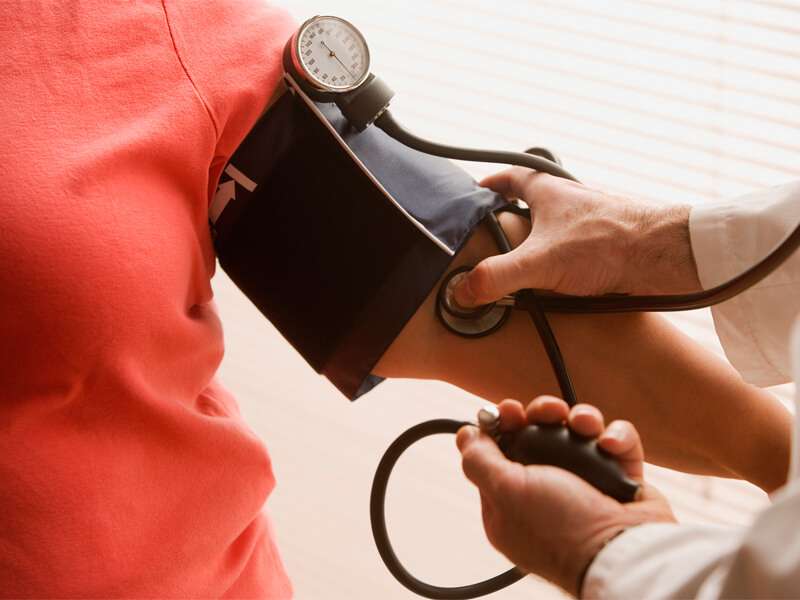
High blood pressure, or hypertension, is a common condition that can lead to serious health complications if not controlled effectively. It often develops over many years and may not present obvious symptoms initially.
- Symptoms/Causes: Often called the "silent killer," hypertension usually has no clear symptoms but can be caused by genetics, lifestyle factors like diet and exercise, and underlying diseases.
- Diagnosis: Regular blood pressure monitoring using a sphygmomanometer confirms elevated readings consistently above normal ranges.
- Treatment/Management: Lifestyle modifications such as dietary changes, regular physical activity, and medications including ACE inhibitors or beta-blockers help control blood pressure levels.
- What to Expect: Ongoing monitoring is essential; with proper management, risks of stroke, heart attack, and kidney problems reduce significantly.
Early detection and sustained treatment adherence are vital for maintaining healthy blood pressure and preventing long-term damage.