
DrYatendra Vir S
About Me
DrYatendra Vir S
MBBS
Cardiologist
10 Years Experience
Biography
My Clinic
OPD Hours
| Monday | Morning | 10:00 AM | - | 02:00 PM |
| Evening | 06:00 PM | - | 09:00 PM | |
| Tuesday | Morning | 10:00 AM | - | 02:00 PM |
| Evening | 06:00 PM | - | 09:00 PM | |
| Wednesday | Morning | 10:00 AM | - | 02:00 PM |
| Evening | 06:00 PM | - | 09:00 PM | |
| Thursday | Morning | 10:00 AM | - | 02:00 PM |
| Evening | 06:00 PM | - | 09:00 PM | |
| Friday | Morning | 10:00 AM | - | 02:00 PM |
| Evening | 06:00 PM | - | 09:00 PM | |
| Saturday | Morning | 10:00 AM | - | 02:00 PM |
| Evening | 06:00 PM | - | 09:00 PM | |
| Sunday | Morning | 10:00 AM | - | 02:00 PM |
| Evening | 06:00 PM | - | 09:00 PM |
Treatments
Specialised care and treatments offered
PREVENTIVE CARDIOLOGY CONSULTATIONS

The primary aim here is minimizing future cardiovascular events through risk factor identification before illness develops. Preventive consultations enable tailored health strategies suited for individual needs.
- Risk Factors Covered : Smoking status evaluation , blood pressure checks , glucose tolerance assessments , lipid profiles all contribute comprehensive profile building
- Diagnostic Emphasis : In addition to routine labs , imaging studies may be advised based on risk stratification such as carotid ultrasound for plaque detection
- Intervention Plans : Customized lifestyle counseling , weight loss recommendations , pharmacotherapy initiation if warranted by clinical guidelines
- Prognostic Benefits : Proactive measures significantly decrease incidence rates of myocardial infarction , stroke , hospitalizations related to heart conditions
Engaging regularly in preventive cardiology empowers individuals toward healthier hearts throughout their lives .
HEART FAILURE MONITORING
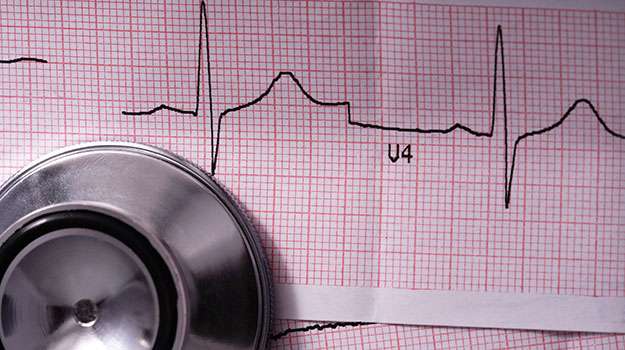
This involves ongoing assessment of patients with weakened heart function whose hearts cannot pump sufficient blood to meet bodily needs. Monitoring improves quality of life and survival rates substantially.
- Sx & Etiology:Tiredness, shortness of breath during exertion or rest; commonly due to ischemic heart disease or hypertension-induced cardiac remodeling
- Differential Diagnosis & Evaluation Tools:Echocardiography reveals ejection fraction; blood tests measuring BNP levels indicate severity Treatment Approaches;: Use of ACE inhibitors, beta blockers alongside fluid restriction; device therapy including defibrillators where appropriate
- Outcome Expectations ; Regular follow-ups help detect deterioration early permitting timely treatment adjustments
Well-organized monitoring programs give patients better symptom control alongside prolonged survival chances.
CHOLESTEROL CONTROL PROGRAMS
Managing abnormal cholesterol levels plays a crucial role in cardiovascular health by reducing plaque buildup inside arteries. Effective control prevents many forms of heart disease.
- Spectrum & Causes: High LDL ('bad cholesterol') and low HDL ('good cholesterol'), influenced by diet, genetics, lifestyle habits like smoking and inactivity.
- Assessment Methods:If blood lipid profiles via fasting lipid panel measure total cholesterol fractions for accurate diagnosis
- Treatment Modalities:Lifestyle adjustments focused on diet (reducing saturated fats), physical activity enhancement along with statin therapy when indicated
- The Long-term Viewpoint:Sustained cholesterol control lessens risk for atherosclerosis-related events including myocardial infarction and stroke
A personalized plan emphasizing prevention yields optimal results toward lasting cardiovascular well-being.
ARRHYTHMIA EVALUATION
An arrhythmia refers to an irregular heartbeat pattern which may affect the heart's ability to pump effectively. Evaluating this condition helps prevent complications such as stroke or sudden cardiac arrest.
- Causes & Symptoms: Palpitations, dizziness, fainting episodes; caused by electrical conduction abnormalities often linked with underlying heart disease or electrolyte imbalances.
- Diagnosing Tools: Holter monitoring (24-48 hour continuous ECG), event recorders, electrophysiological studies provide thorough rhythm assessment.
- Treatment Strategies: Range from medication management (beta-blockers or antiarrhythmics) to invasive procedures such as catheter ablation or pacemaker implantation when needed.
- Your Prognosis: Many arrhythmias are manageable with proper care resulting in improved quality of life and reduced mortality risk.
A comprehensive evaluation ensures tailored therapy aimed at stabilizing heartbeat patterns safely.
CORONARY ARTERY DISEASE SCREENING
This screening focuses on identifying blockages or narrowing in the coronary arteries that supply blood to the heart muscle. Early detection aids in preventing heart attacks.
- Symptoms & Causes: Can be asymptomatic early on; risk factors include high cholesterol, smoking, diabetes, and family history.
- Diagnostic Tests: Include ECG (electrocardiogram), stress tests, echocardiography, and sometimes coronary angiography for detailed artery imaging.
- Treatment Options: Lifestyle modification, medications like statins or antiplatelets, and in some cases interventions such as angioplasty or bypass surgery.
- Expected Outcomes: Identifying disease at an early stage can lead to effective prevention of heart attacks through targeted therapies and lifestyle changes.
The goal of screening is timely intervention that minimizes cardiac complications later in life.
HYPERTENSION MANAGEMENT
High blood pressure, or hypertension, is a common cardiovascular condition that can lead to serious complications if left uncontrolled. Monitoring and managing blood pressure is critical to preventing heart disease and stroke.
- Symptoms & Causes: Often called the "silent killer," hypertension usually has no symptoms but may be caused by factors like genetics, diet, stress, and obesity.
- Diagnosis: Blood pressure readings using a sphygmomanometer measure systolic and diastolic values; multiple readings are taken over time for accuracy.
- Treatment/Management: Lifestyle changes such as reduced salt intake, regular exercise, weight management, along with medications prescribed based on severity.
- What to Expect: Continuous monitoring and adherence to treatment plans are essential; successful management reduces risks of heart attacks and kidney damage.
Early detection and consistent control of hypertension greatly improve long-term health outcomes.