
DrVineet Kumar
About Me
DrVineet Kumar
MBBS
Internal Medicine
10 Years Experience
Biography
My Clinic
OPD Hours
| Monday | Morning | 10:00 AM | - | 02:00 PM |
| Evening | 06:00 PM | - | 09:00 PM | |
| Tuesday | Morning | 10:00 AM | - | 02:00 PM |
| Evening | 06:00 PM | - | 09:00 PM | |
| Wednesday | Morning | 10:00 AM | - | 02:00 PM |
| Evening | 06:00 PM | - | 09:00 PM | |
| Thursday | Morning | 10:00 AM | - | 02:00 PM |
| Evening | 06:00 PM | - | 09:00 PM | |
| Friday | Morning | 10:00 AM | - | 02:00 PM |
| Evening | 06:00 PM | - | 09:00 PM | |
| Saturday | Morning | 10:00 AM | - | 02:00 PM |
| Evening | 06:00 PM | - | 09:00 PM | |
| Sunday | Morning | 10:00 AM | - | 02:00 PM |
| Evening | 06:00 PM | - | 09:00 PM |
Treatments
Specialised care and treatments offered
GASTROESOPHAGEAL REFLUX DISEASE (GERD) TREATMENT
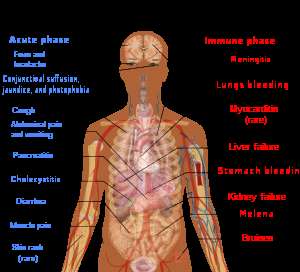
This digestive disorder occurs when stomach acid frequently flows back into the esophagus causing irritation. Appropriate management improves comfort and prevents complications such as esophagitis or Barrett’s esophagus.
- Symptoms typically involve heartburn sensation after meals or when lying down along with possible regurgitation.
- Diagnosis is usually clinical but may require endoscopy if alarm features exist including weight loss or bleeding.
- Lifestyle changes like avoiding trigger foods, eating smaller meals, and elevating head during sleep form first-line measures.
- Medication options include antacids,
THYROID FUNCTION DISORDERS ASSESSMENT
The thyroid gland plays a central role in regulating metabolism through hormone secretion. Disorders can lead to symptoms ranging from fatigue to weight changes depending on hormone imbalances.
ANEMIA EVALUATION & MANAGEMENT
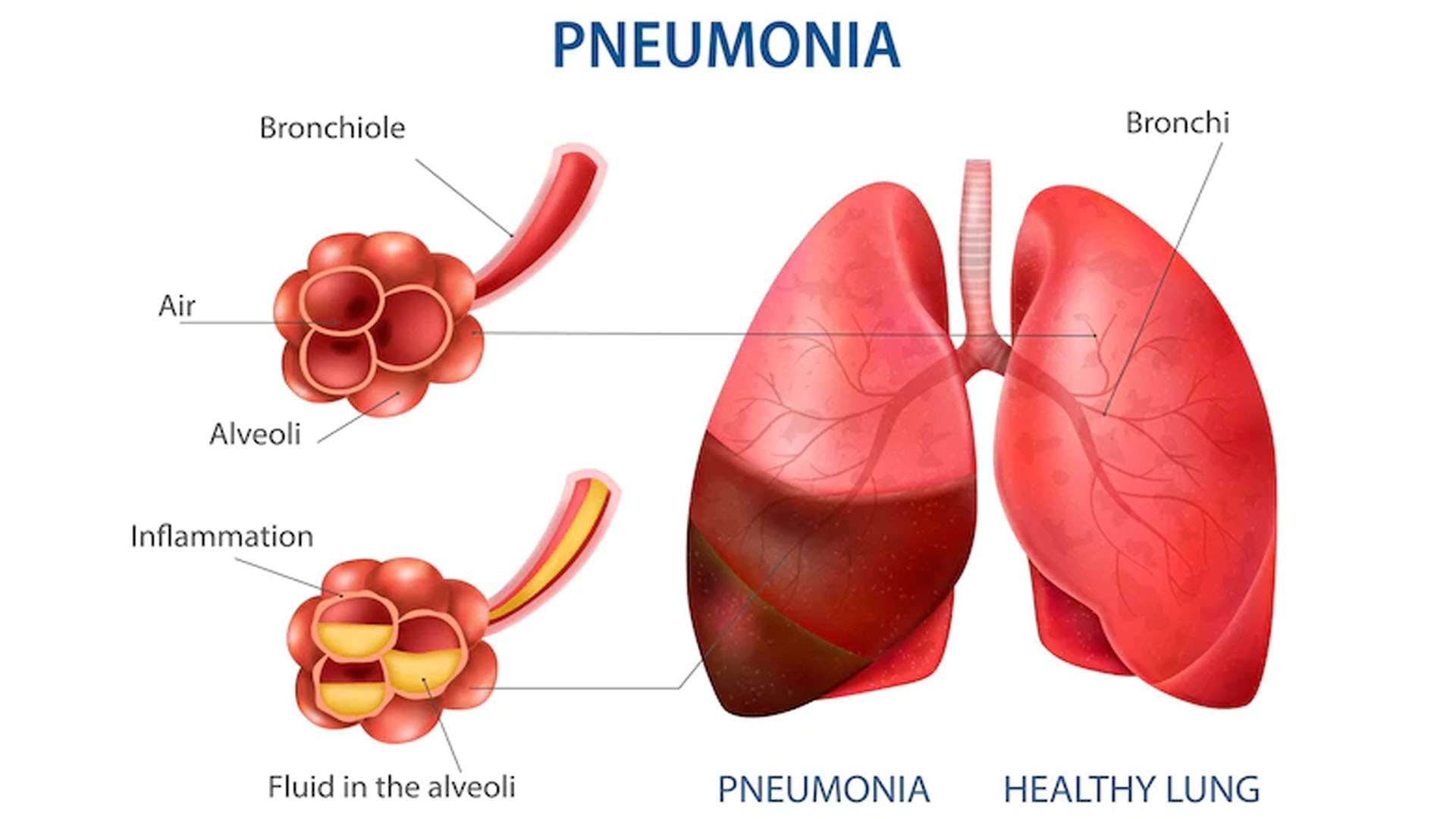
Anemia occurs when there are not enough healthy red blood cells to carry adequate oxygen throughout the body. Identifying its cause is essential for targeted therapy.
- The most common symptoms include fatigue, weakness, pale skin, and shortness of breath during exertion.
- The diagnostic process involves blood tests including complete blood count (CBC), iron studies, vitamin B12 levels, and sometimes bone marrow evaluation.
- Treatment depends on etiology—supplementation for nutritional deficiencies or addressing chronic diseases causing anemia may be necessary.
- Lifestyle changes such as improved nutrition play a supportive role in recovery when appropriate deficiency states exist.
- An anticipated outcome includes improved energy levels once adequate red cell production is restored through medical management.
An accurate diagnosis paired with individualized therapy ensures effective correction of anemia while minimizing potential underlying risks.
CHRONIC OBSTRUCTIVE PULMONARY DISEASE (COPD) FOLLOW-UP
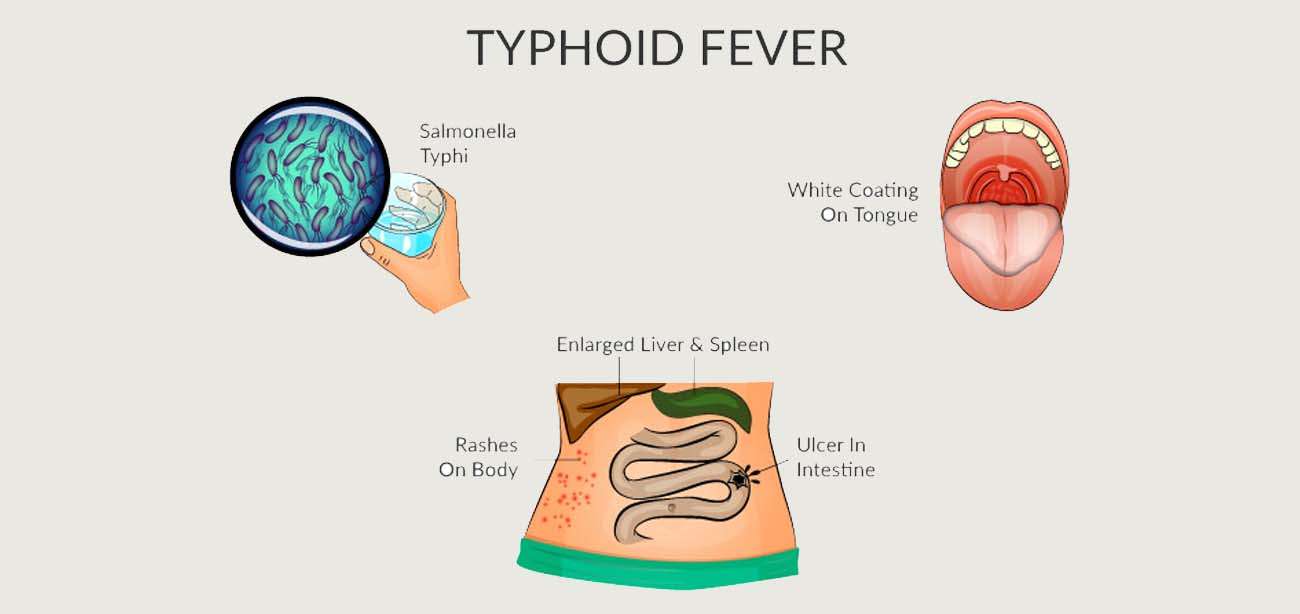
COPD is a progressive lung disease characterized by airflow limitation that makes breathing difficult. Ongoing care can improve symptoms and slow progression.
- This disease usually develops due to long-term exposure to irritants like cigarette smoke or air pollution.
- The differential diagnosis involves spirometry tests measuring lung function alongside imaging studies when necessary.
- An effective management strategy incorporates bronchodilators, inhaled steroids, pulmonary rehabilitation, and smoking cessation support.
- Avoiding respiratory infections through vaccinations is an important preventative measure within treatment plans.
- You should expect regular check-ins focusing on symptom assessment and adjustment of therapies for optimal control.
Lifelong adherence to medical advice helps decrease exacerbations and maintain better respiratory function in daily activities.
TYPE 2 DIABETES MELLITUS CARE
Type 2 diabetes results from the body's ineffective use of insulin, leading to elevated blood sugar levels. Proper care reduces the risk of complications like nerve damage or kidney disease.
- The causes include lifestyle factors such as obesity and inactivity combined with genetic predisposition.
- Diagnosis is confirmed through fasting blood glucose tests or HbA1c measurements indicating average glucose control.
- The management plan covers dietary adjustments, physical activity, oral medications, or insulin therapy as needed.
- Lifestyle modifications, including weight management and smoking cessation, are essential components of treatment.
- A regular monitoring schedule, including foot exams and eye checks, helps detect complications early.
A balanced approach focusing on glycemic control improves long-term outcomes and enhances daily well-being for those living with this chronic condition.
HYPERTENSION MANAGEMENT
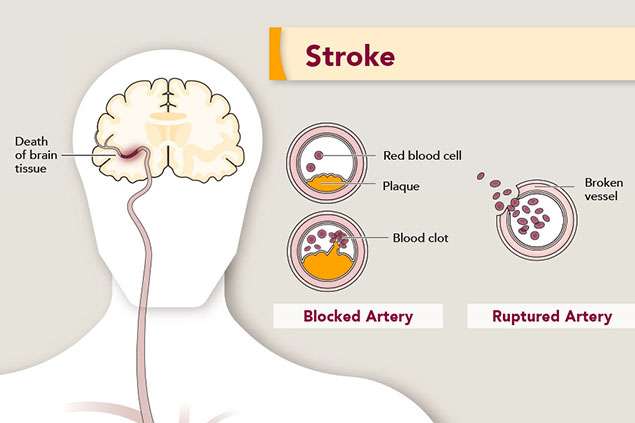
High blood pressure, or hypertension, is a common condition that can lead to serious health complications if not controlled. Effective management helps prevent heart disease and stroke.
- Causes include genetics, lifestyle factors such as diet and stress, and underlying health issues.
- Diagnosis involves consistent blood pressure measurements over time, often with home monitoring or ambulatory devices.
- Treatment typically includes lifestyle modifications like reduced salt intake, regular exercise, and prescribed medications.
- Monitoring is crucial to ensure blood pressure stays within target ranges to reduce risks.
- Expect routine follow-ups to adjust treatment plans based on effectiveness and side effects.
Early detection and ongoing control are key to minimizing the impact of hypertension on overall health and quality of life.