
DrUP Agarwal
About Me
DrUP Agarwal
MBBS
General Physician
10 Years Experience
Biography
My Clinic
OPD Hours
| Monday | Morning | 10:00 AM | - | 02:00 PM |
| Evening | 06:00 PM | - | 09:00 PM | |
| Tuesday | Morning | 10:00 AM | - | 02:00 PM |
| Evening | 06:00 PM | - | 09:00 PM | |
| Wednesday | Morning | 10:00 AM | - | 02:00 PM |
| Evening | 06:00 PM | - | 09:00 PM | |
| Thursday | Morning | 10:00 AM | - | 02:00 PM |
| Evening | 06:00 PM | - | 09:00 PM | |
| Friday | Morning | 10:00 AM | - | 02:00 PM |
| Evening | 06:00 PM | - | 09:00 PM | |
| Saturday | Morning | 10:00 AM | - | 02:00 PM |
| Evening | 06:00 PM | - | 09:00 PM | |
| Sunday | Morning | 10:00 AM | - | 02:00 PM |
| Evening | 06:00 PM | - | 09:00 PM |
Treatments
Specialised care and treatments offered
GASTROENTERITIS
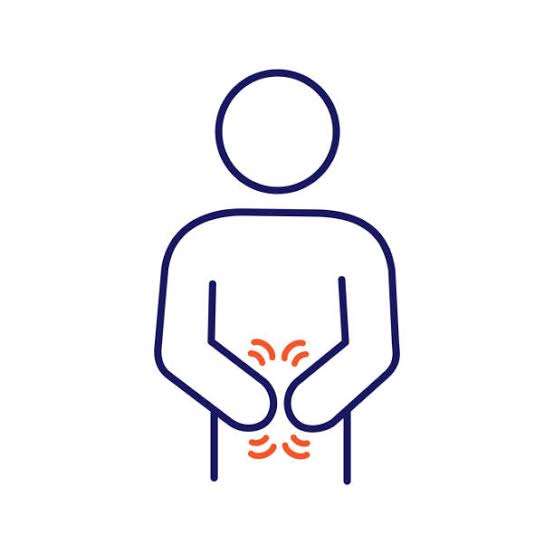
This condition refers to inflammation of the stomach and intestines causing acute onset diarrhea along with nausea and abdominal cramps. It frequently results from infections transmitted through contaminated food or water sources affecting all age groups alike but requires prompt attention especially among children and elderly people due to dehydration risk.
- Common Causes: Viral agents like rotavirus predominantly trigger outbreaks; bacterial pathogens include E.coli or Salmonella species.
- Typical Symptoms: Watery stools often accompanied by vomiting fever malaise,and sometimes blood presence depending on causative organism severity.
- Diagnostic Measures: Usually clinical diagnosis suffices; stool cultures might be ordered if symptoms persist beyond few days or worsen.
- Management Approach: Key goals involve fluid replacement orally or intravenously when necessary; antiemetic drugs may assist vomiting control.
- Prognosis: Most cases resolve within several days without complications if adequate hydration maintained however severe dehydration demands urgent medical intervention.
Maintaining hygiene practices along with timely supportive care ensures swift recovery from gastroenteritis episodes minimizing further health risks involved.
OSTEOARTHRITIS

This degenerative joint disorder leads to cartilage breakdown causing pain and stiffness primarily in weight-bearing joints such as knees and hips. It mainly affects middle-aged and elderly individuals but can impact younger people too after injury or repetitive use stress.
- Recognizing Symptoms: Joint pain aggravated by activity but relieved by rest accompanies stiffness after inactivity periods along with decreased range of motion.
- Confirming Diagnosis: Clinical examination paired with X-rays reveals joint space narrowing indicative of cartilage loss.
- Treatment Plans: Includes pain relief via NSAIDs (non-steroidal anti-inflammatory drugs), physical therapy focusing on muscle strengthening around affected joints,
- weight management reduces load on joints thereby minimizing progression risk.
- When advanced stages occur surgical options such as joint replacement may be considered under expert advice.
Early intervention combined with consistent management strategies assists many patients in maintaining mobility while limiting discomfort caused by osteoarthritis.
CHRONIC OBSTRUCTIVE PULMONARY DISEASE (COPD)

COPD is a progressive lung disease causing airflow obstruction that worsens over time. It primarily affects adults with a history of smoking or exposure to environmental pollutants.
- Main Symptoms: Persistent cough with mucus production, shortness of breath especially during exertion, wheezing and chest tightness characterize COPD onset.
- How It’s Diagnosed: Spirometry testing confirms airflow limitation; chest imaging supports evaluation of lung damage extent.
- Treatment Focus:The approach includes smoking cessation support, bronchodilators to improve airflow, inhaled steroids for inflammation reduction plus pulmonary rehabilitation exercises.
- Avoiding Triggers:Avoidance of smoke exposure and managing respiratory infections promptly reduce exacerbation frequency.
- Disease Outlook:COPD requires lifelong management; while not curable it can be controlled effectively improving quality of life when followed carefully.
A comprehensive strategy combining medication adherence with lifestyle adaptations offers the best symptom relief for those affected by COPD conditions.
ACUTE RESPIRATORY INFECTIONS
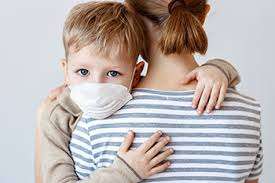
Infections affecting the respiratory tract are among the most frequent reasons for seeking medical attention. Understanding their nature facilitates timely recovery with proper care.
- Causative Agents: Viruses like influenza or bacteria such as streptococcus commonly cause respiratory infections ranging from mild colds to pneumonia.
- Symptoms Presentation: Patients may experience cough, sore throat, nasal congestion, fever, chills, or breathing difficulty in severe cases.
- Diagnosis Approach: Clinical examination supported sometimes by chest X-rays or throat swabs assists accurate identification of infection type.
- Treatment Modalities: Most viral infections require supportive care including hydration and rest; bacterial infections need targeted antibiotics prescribed appropriately.
- If Symptoms Persist: Medical reassessment is crucial when fever lasts beyond 3 days or shortness of breath develops during illness course.
Mild respiratory infections generally resolve well with proper symptomatic treatment but vigilance helps detect potentially serious conditions early on.
TYPE 2 DIABETES MELLITUS
Type 2 diabetes is a chronic condition characterized by elevated blood sugar levels due to insulin resistance or deficiency. Early intervention helps prevent complications related to this disorder.
- Symptoms: Common signs include increased thirst, frequent urination, fatigue, blurred vision, and slow wound healing.
- Diagnostic Tests: Blood tests such as fasting glucose, HbA1c levels confirm diagnosis and assess long-term glucose control.
- Treatment Strategies: Management involves a combination of lifestyle adjustments—balanced diet and regular physical activity—and medications like metformin or insulin when necessary.
- Lifestyle Importance: Weight management and avoiding smoking improve outcomes significantly alongside medical therapies.
- Follow-up Care: Routine check-ups monitor for complications including neuropathy, nephropathy, and cardiovascular disease risk factors.
An integrated treatment plan focused on patient education empowers individuals to maintain stable glucose control and quality of life over time.
HYPERTENSION MANAGEMENT
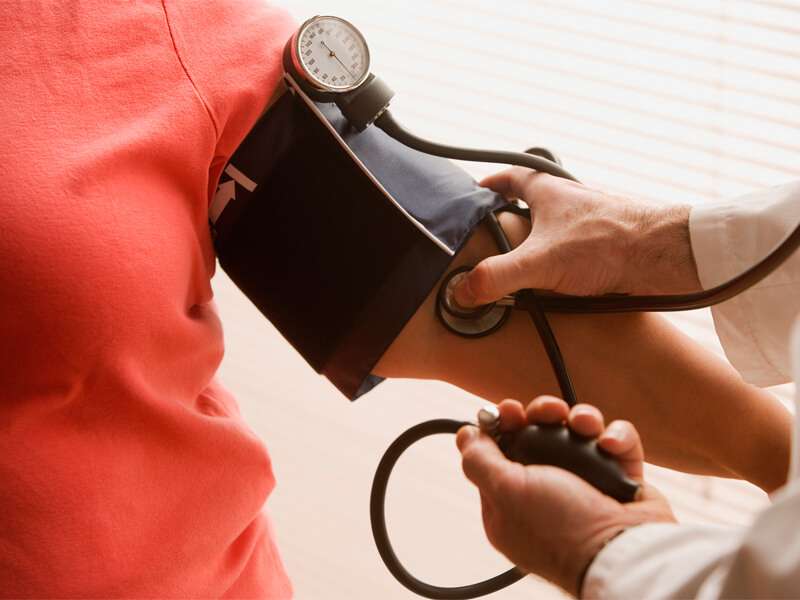
High blood pressure, or hypertension, is a common health issue that can lead to serious complications if left untreated. Proper management is essential to reduce risks associated with heart disease and stroke.
- Symptoms and Causes: Often called the silent killer, hypertension typically has no symptoms but can be influenced by genetics, diet, stress, and lifestyle factors.
- Diagnosis: Regular blood pressure measurements using a sphygmomanometer during clinic visits help detect high readings above 130/80 mmHg consistently.
- Treatment Options: Lifestyle changes like diet modification, regular exercise, limiting salt intake, and prescribed antihypertensive medications are key to controlling readings.
- Monitoring: Frequent monitoring ensures adjustments in medication or lifestyle are effective in maintaining healthy blood pressure levels.
- Expectations: With appropriate care, patients can manage their condition and significantly lower risks of cardiovascular events.
A proactive approach combining medical treatment and healthy habits provides the best outcome for managing hypertension effectively.