
DrSushil Kalras
About Me
DrSushil Kalras
Internal Medicine
Biography
My Clinic
OPD Hours
| Monday | Morning | 10:00 AM | - | 02:00 PM |
| Evening | 06:00 PM | - | 09:00 PM | |
| Tuesday | Morning | 10:00 AM | - | 02:00 PM |
| Evening | 06:00 PM | - | 09:00 PM | |
| Wednesday | Morning | 10:00 AM | - | 02:00 PM |
| Evening | 06:00 PM | - | 09:00 PM | |
| Thursday | Morning | 10:00 AM | - | 02:00 PM |
| Evening | 06:00 PM | - | 09:00 PM | |
| Friday | Morning | 10:00 AM | - | 02:00 PM |
| Evening | 06:00 PM | - | 09:00 PM | |
| Saturday | Morning | 10:00 AM | - | 02:00 PM |
| Evening | 06:00 PM | - | 09:00 PM | |
| Sunday | Morning | 10:00 AM | - | 02:00 PM |
| Evening | 06:00 PM | - | 09:00 PM |
Treatments
Specialised care and treatments offered
DIABETES MELLITUS
Diabetes Mellitus is a metabolic disorder marked by high blood sugar levels over prolonged periods. The condition can lead to serious complications if left untreated but is manageable with proper care strategies in place.
- The primary symptoms frequently involve excessive thirst and hunger, frequent urination, blurred vision, fatigue; some may even experience unexplained weight loss initially before diagnosis occurs
- A diagnosis typically includes blood glucose testing alongside hemoglobin A1c testing which reflects average glucose levels over time
- Treatment usually emphasizes lifestyle changes—dietary modifications combined with regular exercise—and might incorporate insulin therapy or oral hypoglycemics based on individual patient profiles
Consistent management enables numerous individuals diagnosed early on lead fulfilling lives without debilitating effects from diabetes mellitus advancements across medical interventions help mitigate risks associated too
HEART FAILURE
Heart failure occurs when the heart cannot pump blood effectively to meet the body's needs. It represents a significant health challenge that can develop gradually over time or suddenly as acute heart failure.
- Symptoms often encompass shortness of breath during exertion or lying down, extreme fatigue, swollen legs or abdomen due to fluid retention, and rapid heartbeat.
- A healthcare provider will diagnose this condition using clinical assessments along with echocardiograms or chest X-rays for better insight into heart function.
- Treatment plans usually consist of lifestyle modifications alongside medications such as diuretics or ACE inhibitors used to alleviate symptoms and improve heart efficiency.
Evolving treatment approaches continually enhance outcomes for patients suffering from this chronic condition when managed appropriately early on.
CHRONIC OBSTRUCTIVE PULMONARY DISEASE (COPD)
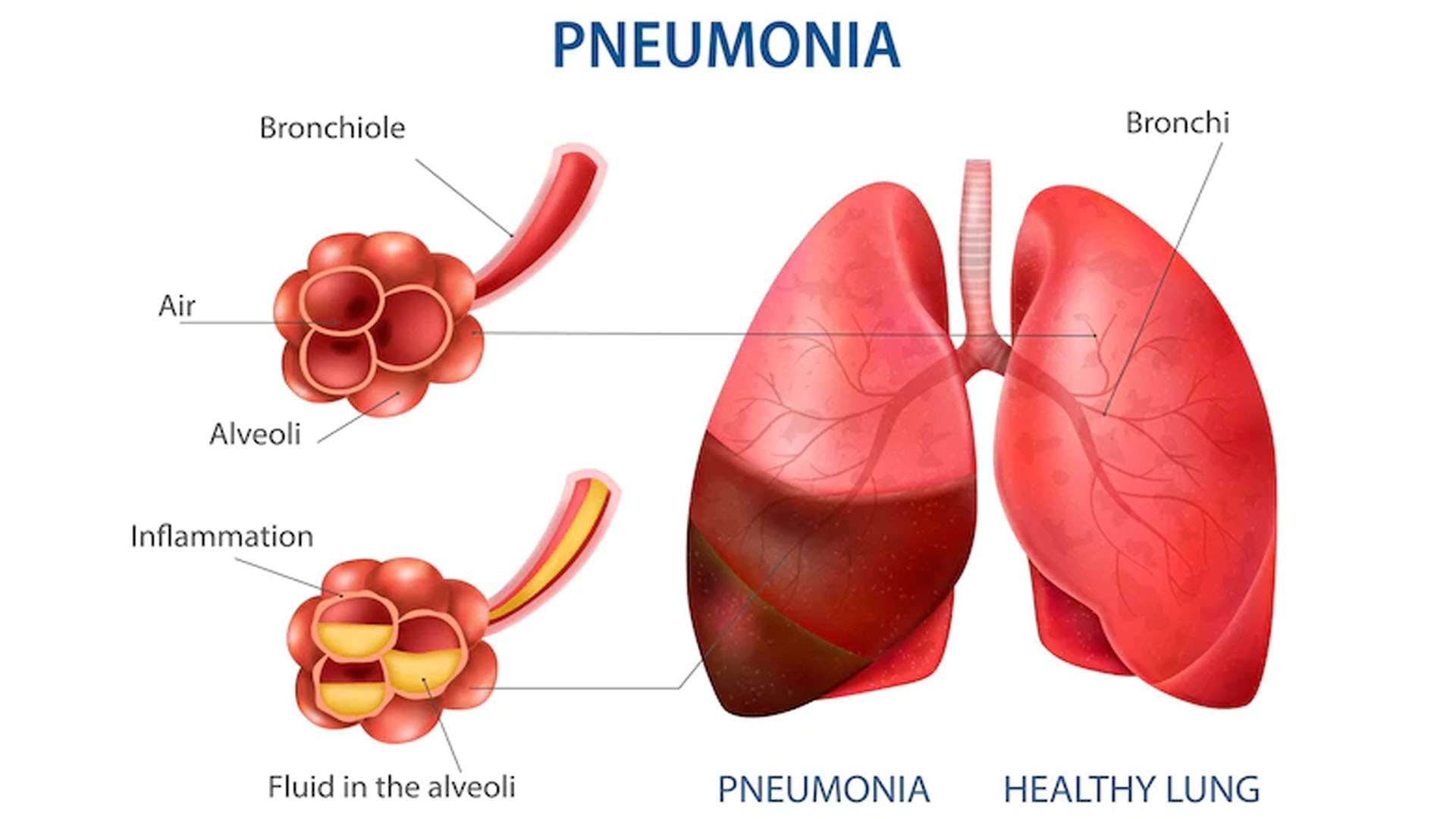
Chronic Obstructive Pulmonary Disease (COPD) is a progressive lung disease that obstructs airflow making breathing increasingly difficult. It encompasses conditions such as emphysema and chronic bronchitis.
- Main symptoms include persistent cough with mucus production, wheezing, shortness of breath especially during physical activities, and frequent respiratory infections.
- Diagnosis may involve lung function tests known as spirometry along with chest imaging studies to evaluate lung health further.
- Treatment aims at alleviating symptoms through bronchodilators, inhaled steroids, pulmonary rehabilitation programs, or supplemental oxygen therapy when needed.
A comprehensive management plan tailored to individual needs can greatly improve quality of life for those living with COPD.
SEPSIS
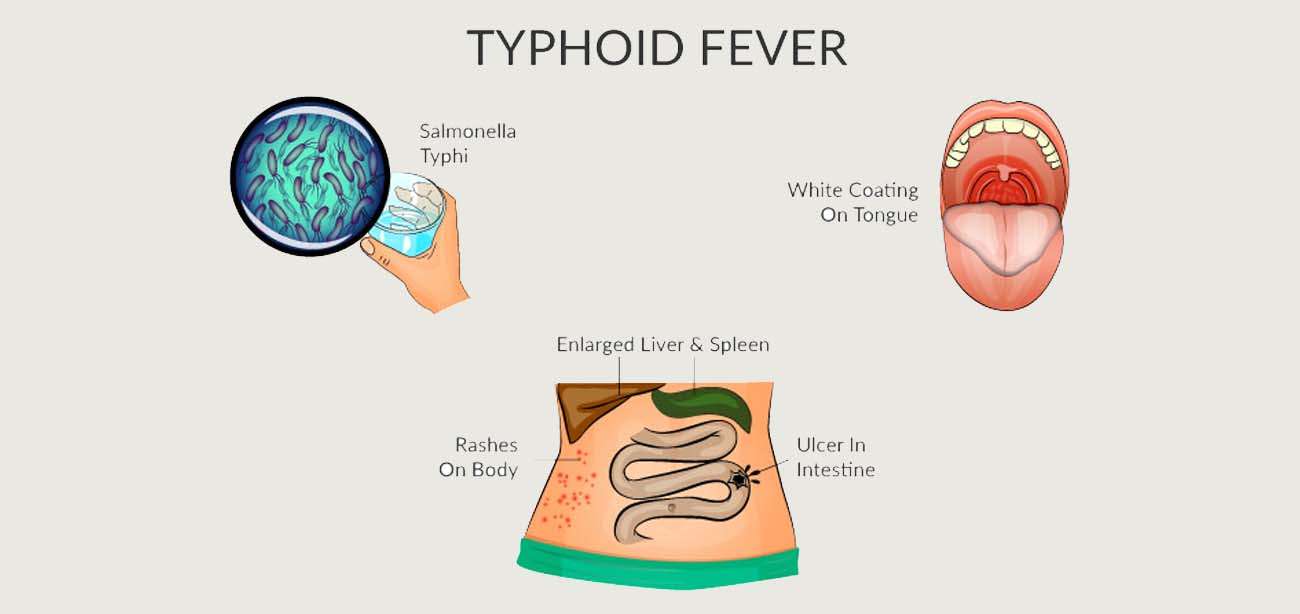
Sepsis is a life-threatening reaction to infection that results in systemic inflammation throughout the body. It requires immediate medical attention as it can progress rapidly.
- Common symptoms include fever, chills, rapid heart rate, confusion, and difficulty breathing.
- Diagnosis usually involves clinical evaluation alongside laboratory tests such as blood cultures and imaging studies to identify the source of infection.
- Treatment typically entails intravenous antibiotics along with supportive care like fluids and organ support if necessary.
- Monitoring is crucial during treatment as sepsis can lead to septic shock if not addressed quickly enough.
A swift response can significantly enhance recovery chances and outcomes for those affected by sepsis.
ACUTE KIDNEY INJURY (AKI)
Acute Kidney Injury (AKI) refers to a sudden decline in kidney function, resulting in the accumulation of waste products in the body. Early recognition and treatment are vital for a positive outcome.
- The condition can arise from various causes such as dehydration, infections, or certain medications affecting blood flow to the kidneys.
- Patients may experience symptoms like decreased urine output, swelling due to fluid retention, and fatigue.
- Diagnosis generally entails blood tests measuring creatinine levels and urinalysis to determine kidney function status.
- Treatment strategies often focus on addressing the underlying cause, maintaining fluid balance, and monitoring electrolyte levels closely.
If managed effectively, many individuals recover normal kidney function over time.
ACUTE RESPIRATORY DISTRESS SYNDROME (ARDS)
Acute Respiratory Distress Syndrome (ARDS) is a serious condition characterized by rapid onset of widespread inflammation in the lungs. This can lead to significant oxygenation issues and respiratory failure if not managed promptly.
- Symptoms may include severe shortness of breath, rapid breathing, low blood oxygen levels, and coughing.
- The diagnosis typically involves a physical examination, imaging tests like chest X-rays or CT scans, and blood tests to assess oxygen levels.
- Treatment options often include supplemental oxygen, mechanical ventilation in severe cases, and medications to treat underlying causes.
- It's essential to monitor patients closely for any signs of complications while they are being treated.
With timely intervention and proper management, many individuals with ARDS can improve significantly over time.