
DrSonakshi Goel
About Me
DrSonakshi Goel
BAMS
Ayurveda
10 Years Experience
Biography
My Clinic
OPD Hours
| Monday | Morning | 10:00 AM | - | 02:00 PM |
| Evening | 06:00 PM | - | 09:00 PM | |
| Tuesday | Morning | 10:00 AM | - | 02:00 PM |
| Evening | 06:00 PM | - | 09:00 PM | |
| Wednesday | Morning | 10:00 AM | - | 02:00 PM |
| Evening | 06:00 PM | - | 09:00 PM | |
| Thursday | Morning | 10:00 AM | - | 02:00 PM |
| Evening | 06:00 PM | - | 09:00 PM | |
| Friday | Morning | 10:00 AM | - | 02:00 PM |
| Evening | 06:00 PM | - | 09:00 PM | |
| Saturday | Morning | 10:00 AM | - | 02:00 PM |
| Evening | 06:00 PM | - | 09:00 PM | |
| Sunday | Morning | 10:00 AM | - | 02:00 PM |
| Evening | 06:00 PM | - | 09:00 PM |
Treatments
Specialised care and treatments offered
WOMEN’S HEALTH: MENSTRUAL DISORDERS
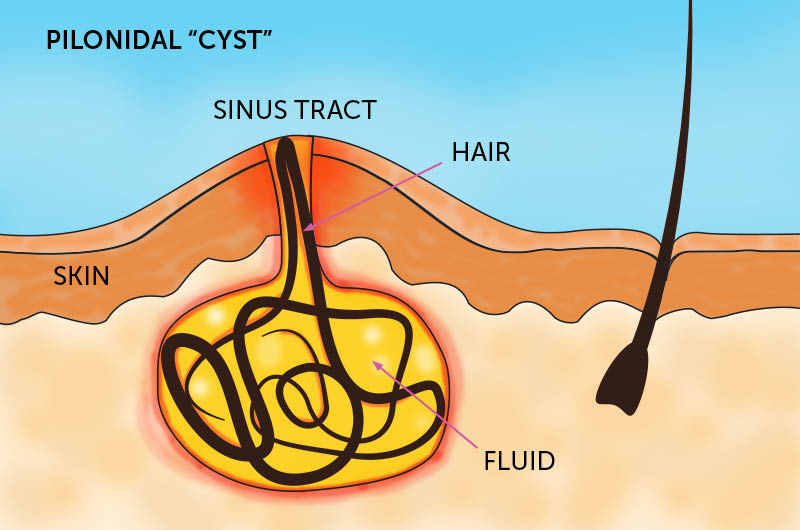
Ayurveda addresses menstrual irregularities through balancing hormonal fluctuations influenced by underlying doshas. Treatment focuses on regulating cycles naturally by improving systemic function rather than suppressing symptoms alone.
- Common Complaints Addressed : Dysmenorrhea (painful periods), oligomenorrhea (scanty menstruation), menorrhagia (excessive bleeding) caused often due to aggravated Pitta or Kapha dosha.
- Assessments Made : Detailed menstrual history alongside evaluation for signs such as PMS symptoms or hormonal imbalances reflected through pulse diagnosis.
- Therapeutic Measures Implemented : Herbal supplements like Shatavari for hormonal balance; dietary advice including warming foods while avoiding cold/raw items;< br />external therapies involving pelvic massages enhance circulation.
- Goals Expected : Regulation of menstrual cycle improvement in symptom severity reduction fostering enhanced reproductive health holistically.
These individualized plans encourage sustainable health improvements respecting women’s unique physiological changes throughout life stages .
DIGESTIVE DISORDERS: AYURVEDIC CARE
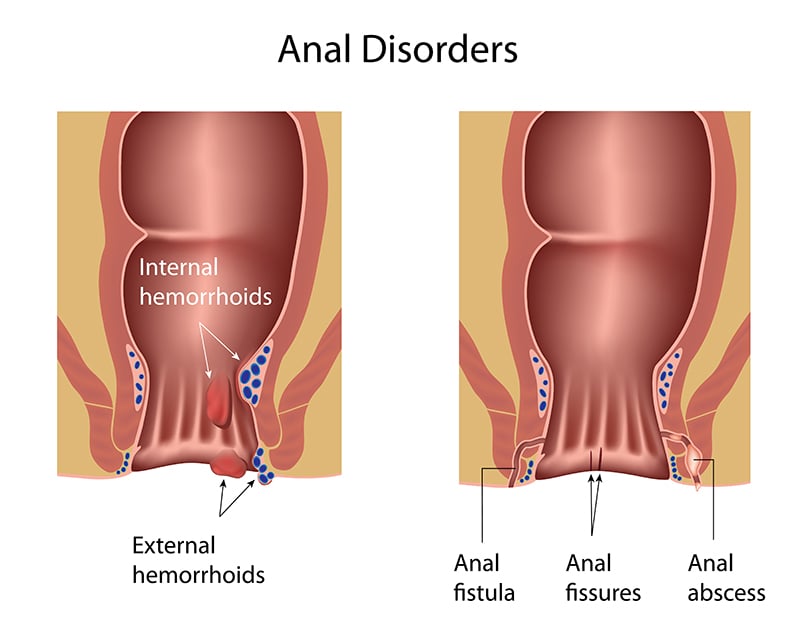
The digestive system holds a vital place in Ayurveda with treatments concentrating on restoring Agni (digestive fire) that governs metabolism. Imbalance can lead to various gastrointestinal problems treated holistically here.
- Symptoms & Causes Identified : Bloating, indigestion, constipation or diarrhea linked often with improper diet or lifestyle disrupting Pitta or Kapha doshas affecting digestion negatively.
- Diagnostic Methods : Analysis includes dietary history assessment combined with physical signs like tongue coating or bowel pattern evaluation highlighting impaired Agni functioning specifically built around individual constitution checks .
- Treatment Options : Use of digestive herbs such as Triphala powder; adherence to seasonal diets recommended; Panchakarma therapy applied selectively when needed for detoxification
- Expected Benefits : Relief from discomfort digestive efficiency improvement normalization bowel movements whilst promoting gut health sustainably
This multi-layered treatment regimen supports not only symptom relief but also promotes long-term wellness via personalized Ayurvedic principles .
AYURVEDIC APPROACH TO INSOMNIA
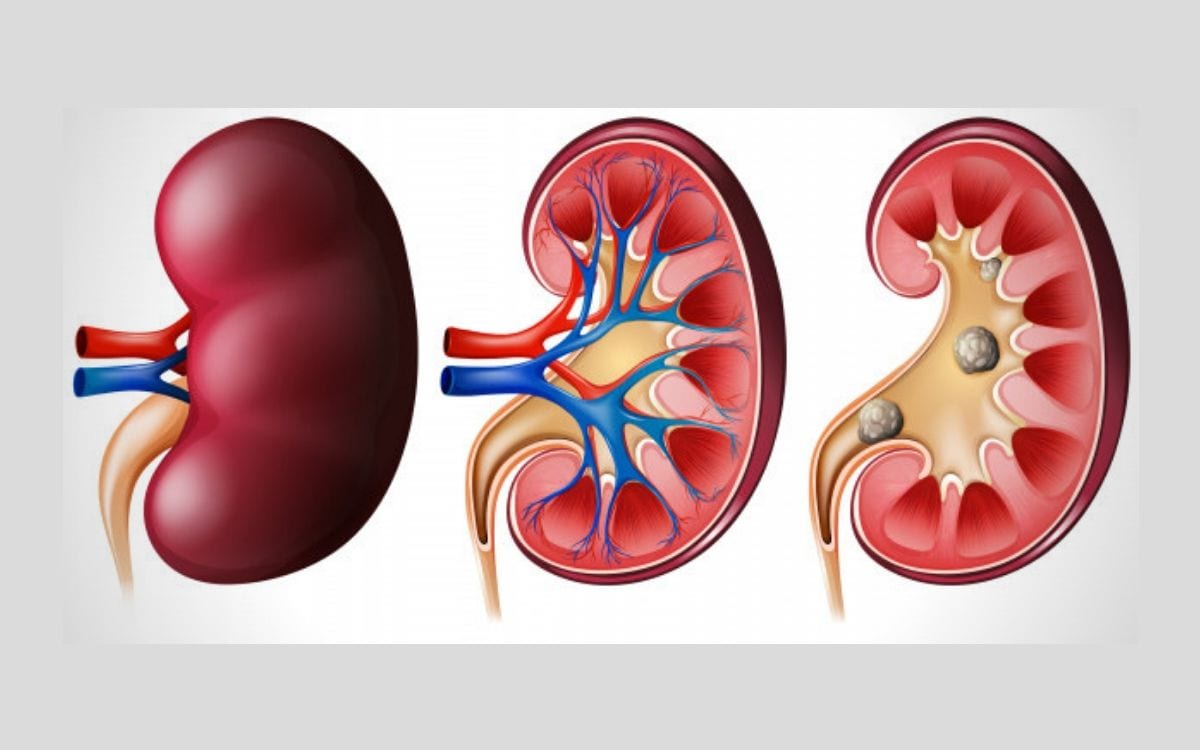
Trouble sleeping can stem from disturbances in the nervous system according to Ayurveda. Treatments focus on calming Vata dosha which governs movement within the body including mental activity during sleep cycles.
- Causative Factors & Signs: Anxiety, irregular routines, light sleep patterns leading to fatigue during daytime are common manifestations related to increased Vata imbalance.
- Evolving Diagnosis: Based on thorough clinical evaluation involving sleep habits review alongside pulse analysis confirming doshic imbalances causing restlessness.
- Therapeutic Protocols: Use of calming herbal teas with Ashwagandha or Brahmi; Abhyanga massage before bedtime using sesame oil helps relax muscles; meditation techniques encouraged for mental peace.
This comprehensive strategy nurtures natural sleep rhythms restoring energy levels in a balanced manner without dependence on pharmaceuticals.
ARTHRITIS RELIEF THROUGH AYURVEDA
This natural approach targets joint inflammation caused by an imbalance in the body's doshas leading to pain, stiffness, and swelling. Ayurveda provides personalized care plans for arthritis patients based on their constitution.
- Main Symptoms: Joint discomfort, restricted movement, swelling primarily due to aggravated Vata dosha affecting connective tissues.
- Diagnostic Evaluation: Includes pulse reading, joint examination for tenderness or deformity, alongside patient history on diet and lifestyle factors.
- Treatment Modalities: Herbal oils applied through Abhyanga massage; internal use of anti-inflammatory herbs like Guggulu; Panchakarma procedures may be advised if necessary.
- Dietary Guidelines: Emphasis on warm foods that reduce Vata aggravation including soups and cooked vegetables while avoiding cold or dry substances.
The goal is to alleviate pain while enhancing mobility progressively using natural remedies tailored for each individual’s doshic imbalance.
MANAGEMENT OF CHILDHOOD ASTHMA
Ayurveda offers supportive care in managing childhood asthma by focusing on strengthening respiratory function and reducing episodes of breathlessness.
- Causes & Symptoms: Often triggered by environmental allergens with signs such as wheezing, coughing, and difficulty breathing.
- Diagnostic Approach: Detailed history with observation of breathing patterns and identification of aggravated doshas, mainly Vata and Kapha.
- Treatment Strategies: Use of herbal formulations like Talisadi Churna combined with lifestyle modifications such as avoiding allergens and dietary regulations.
- Lifestyle Support: Inclusion of Pranayama (breathing exercises) to improve lung capacity and reduce stress-related triggers.
This treatment plan emphasizes gentle approaches tailored for children aiming to control symptoms while improving respiratory strength safely over time.
PANCHAKARMA THERAPY

Panchakarma is a cornerstone of Ayurveda, designed to detoxify and rejuvenate the body through a series of cleansing procedures. It aims to balance the doshas and eliminate accumulated toxins.
- Purpose: To cleanse the body by removing deep-seated toxins and restore doshic equilibrium.
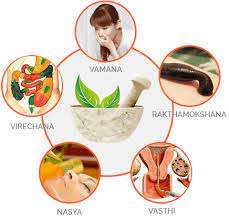
- Procedures Included: Vamana (therapeutic vomiting), Virechana (purgation), Basti (medicated enema), Nasya (nasal administration), and Raktamokshana (bloodletting).
- Diagnosis: Assessment involves detailed evaluation of prakriti, vikriti, and current health status including pulse diagnosis and physical examination.
- Treatment Course: Typically involves pre-treatment dietary adjustments followed by the sequential therapies over days or weeks as prescribed.
- Expected Outcomes: Enhanced digestion, improved immunity, relief from chronic conditions, and overall mental clarity.
This holistic purification process supports long-term health benefits by harmonizing bodily functions and revitalizing tissues.