
DrRKPorwal Sam
About Me
DrRKPorwal Sam
MBBS
General Physician
10 Years Experience
Biography
My Clinic
OPD Hours
| Monday | Morning | 10:00 AM | - | 02:00 PM |
| Evening | 06:00 PM | - | 09:00 PM | |
| Tuesday | Morning | 10:00 AM | - | 02:00 PM |
| Evening | 06:00 PM | - | 09:00 PM | |
| Wednesday | Morning | 10:00 AM | - | 02:00 PM |
| Evening | 06:00 PM | - | 09:00 PM | |
| Thursday | Morning | 10:00 AM | - | 02:00 PM |
| Evening | 06:00 PM | - | 09:00 PM | |
| Friday | Morning | 10:00 AM | - | 02:00 PM |
| Evening | 06:00 PM | - | 09:00 PM | |
| Saturday | Morning | 10:00 AM | - | 02:00 PM |
| Evening | 06:00 PM | - | 09:00 PM | |
| Sunday | Morning | 10:00 AM | - | 02:00 PM |
| Evening | 06:00 PM | - | 09:00 PM |
Treatments
Specialised care and treatments offered
GASTROESOPHAGEAL REFLUX DISEASE (GERD)
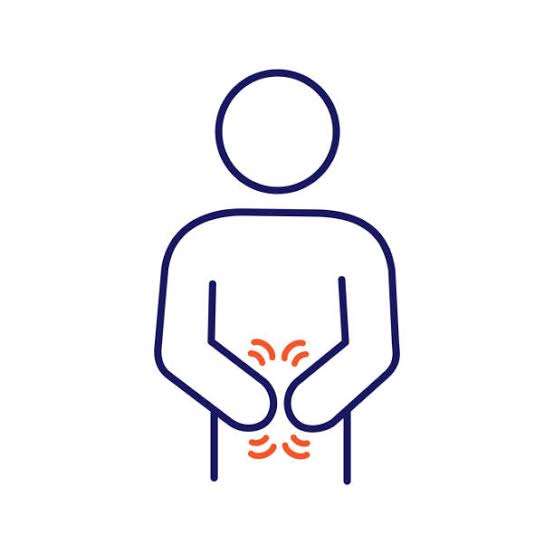
This digestive disorder involves stomach acid flowing back into the esophagus causing discomfort and potential complications if unmanaged correctly.
- Main contributors & symptoms :Commonly caused by weakened lower esophageal sphincter resulting in heartburn , regurgitation , sometimes chest pain .
- Diagnosis : Clinical history combined with endoscopy or pH monitoring when necessary confirm GERD presence .
- Treatments :Lifestyle changes including dietary adjustments , weight reduction , avoiding late meals plus antacids , proton pump inhibitors provide relief effectively .
- Long term outlook : Most patients respond well though persistent symptoms warrant further evaluation to exclude complications like esophagitis .
A structured management plan improves symptoms considerably enhancing daily life comfort reliably over time .
ACUTE RESPIRATORY INFECTIONS

Acutely developing infections affecting the respiratory tract require prompt attention due to their contagious nature. Patient education aids recovery efforts substantially.
- Epidemiology and causes:The majority stem from viruses like influenza or bacteria such as Streptococcus pneumoniae impacting nasal passages or lungs.
- Syndrome identification:Coughing, sore throat, fever, nasal congestion typically characterize these infections' presentation patterns.
- Treatment considerations:Mild cases need symptomatic care including hydration; antibiotics reserved for bacterial causes confirmed by clinical criteria.
- Preventive advice: Hand hygiene, vaccination against flu, and avoiding contact with sick contacts mitigate infection risk .
The majority recover well with supportive care though warning signs necessitate medical evaluation promptly .
ANEMIA EVALUATION AND TREATMENT

Anemia occurs when the blood lacks adequate healthy red cells or hemoglobin. Recognizing its impact enables timely intervention.
- Common causes: Nutritional deficiencies (iron, B12), chronic diseases or blood loss can lead to anemia development.
- Symptoms overview: Fatigue, pallor, shortness of breath during activities point toward possible anemia presence.
- Diagnostic process: Complete blood count (CBC) identifies reduced hemoglobin levels; further tests determine underlying cause.
- Treatment options: Supplementation with iron or vitamins, addressing root causes restores normal red cell counts over time.
A proactive approach helps prevent complications from untreated anemia across different age groups effectively.
CHRONIC OBSTRUCTIVE PULMONARY DISEASE (COPD)
COPD is a progressive lung disorder causing airflow obstruction. Early recognition can improve quality of life significantly.
- Main causes: Long-term exposure to irritants like smoking leads to airway inflammation and damage.
- Signs and symptoms: Persistent cough, breathlessness especially during exertion, sputum production are typical features.
- Diagnosis tools: Spirometry testing measures lung function; imaging may assist in evaluation.
- Treatment strategies: Smoking cessation, bronchodilators, inhaled steroids, pulmonary rehabilitation help manage symptoms.
Lifelong adherence to treatment plans slows progression and reduces exacerbations in COPD patients.
TYPE 2 DIABETES MELLITUS
This chronic condition impairs the body’s ability to regulate blood sugar effectively. Managing it proactively prevents complications.
- Causes and symptoms: Insulin resistance leads to elevated glucose; common signs include frequent urination, increased thirst, and fatigue.
- Diagnostic methods: Blood tests like fasting glucose and HbA1c levels confirm diagnosis and assess control.
- Treatment approach: Dietary management, physical activity, oral hypoglycemics, or insulin therapy depending on severity.
- Lifestyle guidance: Weight control and routine monitoring are crucial for successful management.
A comprehensive plan tailored to individual needs assists in living well with diabetes over time.
HYPERTENSION MANAGEMENT
High blood pressure is a common yet serious condition that affects millions worldwide. It often shows no symptoms but can lead to severe health problems if untreated.
- Symptoms and causes: Often called the "silent killer," hypertension typically has no early symptoms; factors include genetics, diet, and stress.
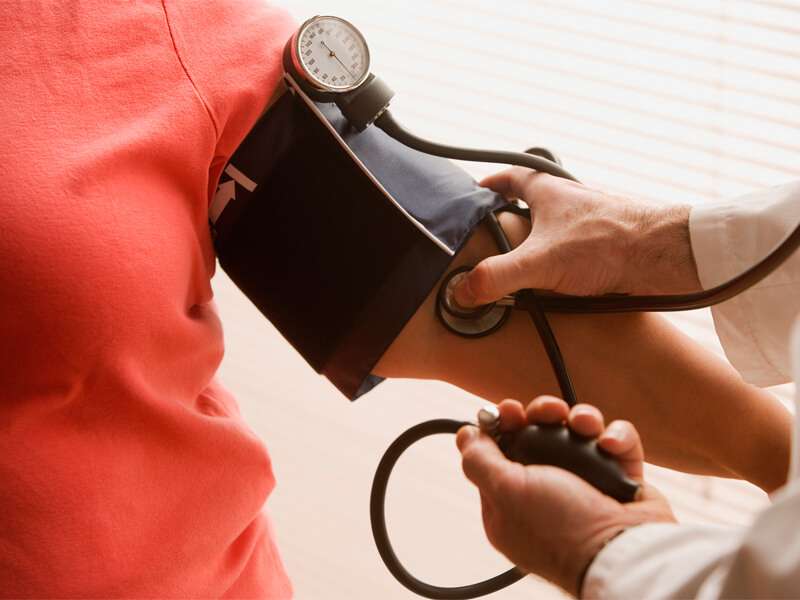
- Diagnosis: Regular blood pressure readings using a sphygmomanometer help detect elevated levels above 130/80 mmHg.
- Treatment options: Lifestyle modifications like diet and exercise are key, alongside medications such as ACE inhibitors or beta-blockers as prescribed.
- Management: Consistent monitoring and adherence to treatment reduce risks of stroke and heart disease.
Understanding hypertension and maintaining ongoing care is essential for long-term cardiovascular health.