
DrRahul sisodia
About Me
DrRahul sisodia
MBBS
General Physician
10 Years Experience
Biography
My Clinic
OPD Hours
| Monday | Morning | 10:00 AM | - | 02:00 PM |
| Evening | 06:00 PM | - | 09:00 PM | |
| Tuesday | Morning | 10:00 AM | - | 02:00 PM |
| Evening | 06:00 PM | - | 09:00 PM | |
| Wednesday | Morning | 10:00 AM | - | 02:00 PM |
| Evening | 06:00 PM | - | 09:00 PM | |
| Thursday | Morning | 10:00 AM | - | 02:00 PM |
| Evening | 06:00 PM | - | 09:00 PM | |
| Friday | Morning | 10:00 AM | - | 02:00 PM |
| Evening | 06:00 PM | - | 09:00 PM | |
| Saturday | Morning | 10:00 AM | - | 02:00 PM |
| Evening | 06:00 PM | - | 09:00 PM | |
| Sunday | Morning | 10:00 AM | - | 02:00 PM |
| Evening | 06:00 PM | - | 09:00 PM |
Treatments
Specialised care and treatments offered
GASTROINTESTINAL DISORDER EVALUATION
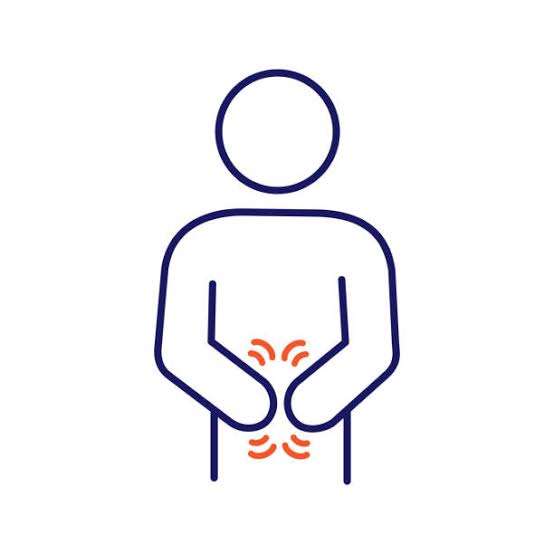
The gastrointestinal system encompasses organs involved in digestion from the mouth down through intestines. Disorders affecting this area can disrupt daily functions significantly if left untreated.
- Symptoms : Patients might experience bloating , abdominal pain , irregular bowel movements which could signal underlying issues needing attention .
- Causes : Conditions such as irritable bowel syndrome ( IBS ), gastritis , ulcers contribute toward gastrointestinal discomforts observed frequently .
- Diagnosis : /diagnostic tools performed by FPs include imaging studies , endoscopic examinations alongside lab tests analyzing stool samples . / / diagnosis gaining insights quickly leading appropriate post-diagnosis remediative planning while encompassing preventive strategies too! Sometimes referrals prove vital depending upon individual needs being elaborately explored defined therapeutic pathways established promptly ensuring optimal welfare protections available under specialized care standards delivering hope assistance at all times! < / ul ؤ م انعداد ايرادؤ < / div بأن بش المواصفات التامة من الخري بدلاً عن إيداع les services à fournir concernant l'accès d'expertise évaluable proposée dédiée .< p /> The journey towards digestive comfort begins here offering encouragement through professional guidance overcoming hurdles together !
UPPER RESPIRATORY INFECTIONS MANAGEMENT

The upper respiratory tract comprises the nose, throat (pharynx), and voice box (larynx). Infections here are common causes of illness ranging from mild colds to more severe conditions like sinusitis.
- Symptoms: Typical indications include coughing , sore throat , nasal congestion , facial pressure especially around sinuses
- Causes: Viruses most commonly trigger these infections ; however bacteria may sometimes also play a role.
- Diagnosing: A thorough examination including review of signs/symptoms along with possible throat swabs aids diagnosis clarity .
- Treatment : Resting hydration along with symptom relief via OTC meds often proves effective ; antibiotics prescribed when bacterial infection confirmed only .
- Outook expect: Many recover completely within days without complication but persistent symptoms warrant follow-up care/monitoring .
Proper self-care strategies reinforce healing while minimizing spread within communities; stay home if symptomatic !
PREVENTIVE HEALTH CHECK-UPS
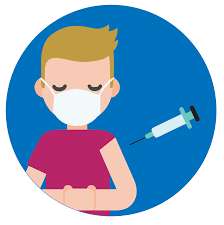
A preventive health check-up is an essential component of maintaining overall well-being. Regular screenings help detect potential health issues early on before they become serious problems.
- Purpose: These check-ups allow physicians to assess risk factors for chronic diseases like heart disease and diabetes while advising on lifestyle improvements.
- The process: Routine examinations typically include blood pressure measurements, cholesterol checks, body mass index (BMI) calculations, along with necessary vaccinations based on age guidelines.
- If any concerns are detected during the check-up process
- Your physician will guide you on the next steps regarding treatment or further testing required
- This proactive approach leads to long-lasting benefits for your overall health
- Aiming at prevention rather than reaction fosters healthier living patterns among individuals
- A commitment towards annual visits translates into significant future health improvements
ALLERGY TESTING
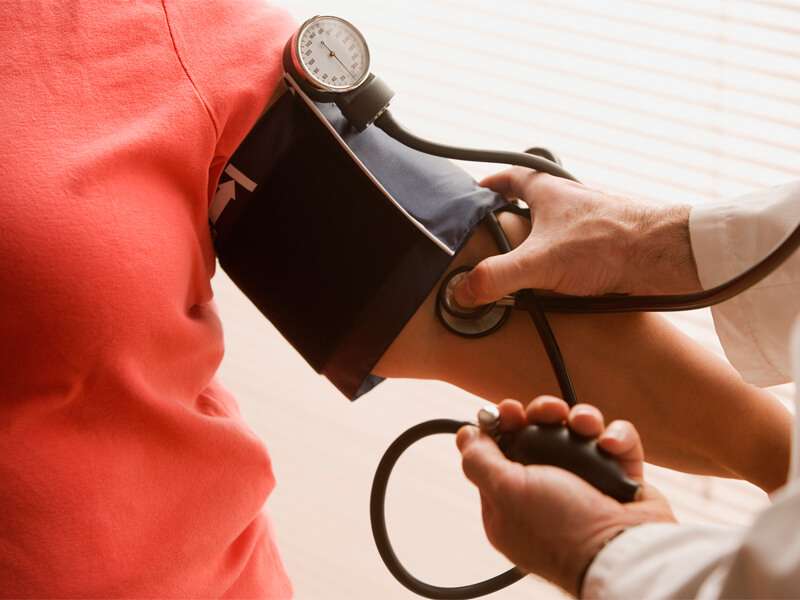
An allergy occurs when the immune system reacts adversely to substances known as allergens. Recognizing these allergies is essential for managing symptoms effectively.
- Common allergens: These include pollen, pet dander, food items like nuts or shellfish, and certain medications.
- Symptoms: Allergic reactions can manifest as sneezing, itching, skin rashes, or even more severe reactions like anaphylaxis in some cases.
- Please note: Allergy testing usually involves skin tests or blood tests to identify specific triggers responsible for the symptoms you experience.
- Treatment approaches: Avoidance of known allergens is critical; antihistamines or other medications might be prescribed to help manage symptoms.
A comprehensive understanding of your allergies will empower you to make informed choices about your health and lifestyle adaptations.
DIABETES SCREENING
Diabetes is a chronic condition that affects how your body processes glucose. Early detection is key to managing diabetes effectively and preventing complications.
- Symptoms: Increased thirst, frequent urination, extreme fatigue, and blurred vision may indicate elevated blood sugar levels.
- Risk factors: Obesity, sedentary lifestyle, family history of diabetes, and age can increase the likelihood of developing this condition.
- Diagnosis: Blood tests measuring glucose levels or HbA1c provide an accurate picture of whether a patient has diabetes or prediabetes.
- Treatment options: Management includes lifestyle changes such as diet modifications and physical activity; medication may be necessary depending on severity.
- Your journey: Working closely with a healthcare provider can lead to successful management of diabetes through tailored approaches and regular follow-ups.
A proactive approach in screening helps in mitigating risks associated with diabetes in the long run.
HYPERTENSION MANAGEMENT
Hypertension, or high blood pressure, is a common condition that can lead to serious health issues if not managed properly. It often develops over many years and may not present symptoms initially.
- Symptoms: Some individuals may experience headaches, shortness of breath, or nosebleeds, although many are unaware they have it.
- Causes: Factors contributing to hypertension include poor diet, lack of physical activity, obesity, and excessive alcohol intake.
- Diagnosis: Blood pressure readings taken during a routine check-up can reveal hypertension. Additional tests like kidney function tests may also be conducted.
- Treatment options: Lifestyle changes such as dietary adjustments and exercise are crucial. Medication may be prescribed to help control blood pressure effectively.
- Expectations: With proper management, individuals can maintain healthy blood pressure levels and significantly reduce their risk of heart disease and stroke.
Regular monitoring and consultation with a healthcare professional are essential for effective hypertension management.