
DRPRASHANT
About Me
DRPRASHANT
MBBS
Dermatologist
10 Years Experience
Biography
My Clinic
OPD Hours
| Monday | Morning | 10:00 AM | - | 02:00 PM |
| Evening | 06:00 PM | - | 09:00 PM | |
| Tuesday | Morning | 10:00 AM | - | 02:00 PM |
| Evening | 06:00 PM | - | 09:00 PM | |
| Wednesday | Morning | 10:00 AM | - | 02:00 PM |
| Evening | 06:00 PM | - | 09:00 PM | |
| Thursday | Morning | 10:00 AM | - | 02:00 PM |
| Evening | 06:00 PM | - | 09:00 PM | |
| Friday | Morning | 10:00 AM | - | 02:00 PM |
| Evening | 06:00 PM | - | 09:00 PM | |
| Saturday | Morning | 10:00 AM | - | 02:00 PM |
| Evening | 06:00 PM | - | 09:00 PM | |
| Sunday | Morning | 10:00 AM | - | 02:00 PM |
| Evening | 06:00 PM | - | 09:00 PM |
Treatments
Specialised care and treatments offered
CONTACT DERMATITIS MANAGEMENT
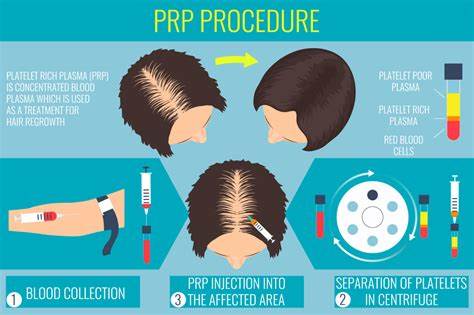
This skin reaction arises when irritants or allergens come into contact with the skin causing localized inflammation. It may be acute with redness and swelling or chronic with scaling changes occurring over time.
- Clinical signs : Redness , itching , blistering or dry cracked plaques aligning with pattern of exposure .
- Etiology : Exposure to chemicals , soaps , metals (like nickel) , plant oils (poison ivy) , among others .
- Diagnostic workup : History taking focused on exposure combined with patch testing identifies responsible agents .
- Treatment approaches : Avoidance of culprit substances ; use of emollients ; topical steroids reduce inflammation ; antihistamines relieve itching if needed .
- Expected clinical course : With removal of offending agent , symptoms typically resolve though repeated exposures can lead to chronic changes needing longer management .
Preventing recurrences hinges upon identifying triggers accurately coupled with protective skincare routines tailored individually .
VITILIGO TREATMENT
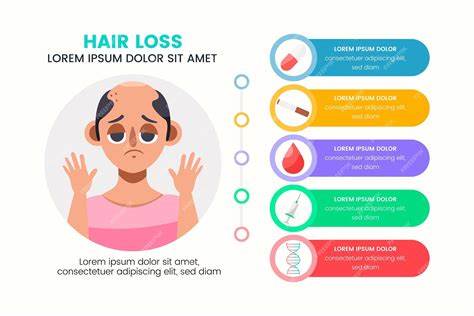
This pigmentary disorder results from loss of functioning melanocytes leading to well-defined white patches on the skin. Vitiligo may progress unpredictably causing cosmetic concerns for patients worldwide.
- Symptoms : Milky-white macules with sharp borders appearing symmetrically or focally on exposed areas like face and hands .
- Causes : Autoimmune destruction of melanocytes influenced by genetic susceptibility along with environmental triggers .
- Diagnosis : Primarily clinical based on typical presentation ; Wood's lamp examination helps highlight depigmented areas .
- Management options : Narrowband UVB phototherapy , topical corticosteroids or calcineurin inhibitors ; surgical procedures reserved for stable disease .
- Prognosis : Variable course ; early intervention increases likelihood of repigmentation but lifelong monitoring is important .
Coping strategies combined with appropriate therapy support better outcomes while addressing psychosocial impact sensitively .
HAIR LOSS DISORDERS (ALOPECIA)
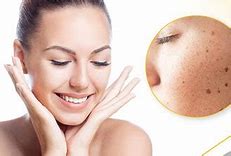
Losing hair beyond normal shedding can signal various conditions collectively described as alopecia. This can cause psychological distress alongside physical concerns about scalp health.
- Telltale features: Gradual thinning across the scalp or sudden patchy bald spots depending on type of alopecia;
- Causation factors include: Genetic predisposition (androgenic alopecia), autoimmune reactions (alopecia areata), stress or nutritional deficits;
- The evaluation involves: Clinical examination backed by history-taking and sometimes scalp biopsy or blood tests;
- Treatment methods available: Minoxidil topical solutions for androgenic types; corticosteroid injections for immune-related types; addressing underlying causes essential;
ECZEMA (ATOPIC DERMATITIS) CARE
Eczema or atopic dermatitis is an inflammatory skin condition characterized by itchy, dry patches that can become red and cracked. It frequently begins in childhood but affects all ages.
- Main signs: Itching, redness, dryness often on hands, face or inside elbows/knees.
- Underlying causes: Genetic predisposition causing impaired skin barrier function plus environmental triggers like allergens or irritants.
- The diagnostic process: Mainly clinical assessment based on characteristic appearance and patient history of allergies or asthma.
- Treatment modalities: Emollients for moisturization; topical corticosteroids or calcineurin inhibitors for inflammation control; avoiding known irritants recommended.
- If untreated: Risk of persistent discomfort, secondary infections due to scratching which may complicate management.
A careful balance of hydration and inflammation control can minimize flare-ups and improve long-term skin condition substantially.
ACNE VULGARIS TREATMENT
Acne vulgaris is a common inflammatory skin disorder affecting hair follicles and sebaceous glands, usually during adolescence but possibly persisting into adulthood. It manifests as pimples, blackheads, or cysts.
- Signs: Presence of whiteheads, blackheads, pimples, nodules primarily on face, chest, and back.
- Causative factors: Excess oil production, follicular hyperkeratinization, bacterial colonization (Propionibacterium acnes), and inflammation.
- Diagnosis approach: Clinical evaluation focusing on lesion type and severity; sometimes culture in resistant cases.
- Treatment strategies: Topical retinoids, benzoyl peroxide, antibiotics; oral medications like isotretinoin for severe forms.
- Expected outcomes: Gradual improvement over weeks to months; adherence to therapy critical to reduce scarring risk.
A comprehensive treatment plan addresses both immediate lesions and underlying causes to restore clearer skin over time.
PSORIASIS MANAGEMENT
Psoriasis is a chronic autoimmune condition characterized by the rapid buildup of skin cells, leading to scaling and inflammation. It often causes discomfort and can affect quality of life if left unmanaged.
- Symptoms: Red patches covered with silvery scales, itching, and sometimes painful cracks.
- Causes: Immune system triggers causing accelerated skin cell production; genetic and environmental factors play a role.
- Diagnosis: Physical examination paired with medical history review; occasionally a skin biopsy for confirmation.
- Treatment options: Topical corticosteroids, vitamin D analogues, phototherapy, and systemic medications depending on severity.
- What to expect: Ongoing management often necessary; flare-ups may occur but treatments reduce symptoms and improve skin health.
Consistent care tailored to the individual's condition helps control symptoms effectively and maintain skin integrity over time.