
DrMeenesh Juveka
About Me
DrMeenesh Juveka
MBBS
General Physician
10 Years Experience
Biography
My Clinic
OPD Hours
| Monday | Morning | 10:00 AM | - | 02:00 PM |
| Evening | 06:00 PM | - | 09:00 PM | |
| Tuesday | Morning | 10:00 AM | - | 02:00 PM |
| Evening | 06:00 PM | - | 09:00 PM | |
| Wednesday | Morning | 10:00 AM | - | 02:00 PM |
| Evening | 06:00 PM | - | 09:00 PM | |
| Thursday | Morning | 10:00 AM | - | 02:00 PM |
| Evening | 06:00 PM | - | 09:00 PM | |
| Friday | Morning | 10:00 AM | - | 02:00 PM |
| Evening | 06:00 PM | - | 09:00 PM | |
| Saturday | Morning | 10:00 AM | - | 02:00 PM |
| Evening | 06:00 PM | - | 09:00 PM | |
| Sunday | Morning | 10:00 AM | - | 02:00 PM |
| Evening | 06:00 PM | - | 09:00 PM |
Treatments
Specialised care and treatments offered
ACUTE OTITIS MEDIA
An infection affecting the middle ear space frequently seen in children but also adults can cause sudden ear pain and hearing difficulties. Understanding this condition aids effective management at home or clinic settings alike.
- Symptoms & Causes: Rapid onset earache , often accompanied by fever , irritability in kids , fluid drainage from ear possibly linked to viral or bacterial pathogens .
- Diagnosing Approach: Otoscopic examination reveals characteristic redness or bulging eardrum confirming diagnosis.
- Treatment Plans: Pain control using analgesics ; antibiotics reserved for severe cases or persistence beyond 48-72 hours .
- Expected Outcomes: Most resolve within few days without complications though follow up recommended in recurring instances.
Prompt attention improves symptom relief ensuring comfort while preventing chronic issues such as hearing loss .
DIABETIC HYPOGLYCEMIA

This condition occurs when blood sugar levels drop below normal ranges in diabetic patients. Recognition and immediate treatment are vital to prevent serious neurological consequences.
- Common Signs & Triggers: Sweating , shakiness , dizziness , confusion , irritability typically occur due to excessive insulin , missed meals , or increased physical activity.
- Clinical Identification: Blood glucose testing confirms low levels , usually under 70 mg/dL .
- Emergency Care: Quick ingestion of fast-acting carbohydrates like glucose tablets or sugary drinks helps raise sugar instantly .
- Continuous Monitoring: Adjusting medication doses under physician guidance prevents recurrent episodes.
Staying alert to early symptoms allows timely interventions thereby reducing risk associated with hypoglycemic episodes.
URINARY TRACT INFECTION (UTI)

A UTI affects any part of the urinary system but commonly impacts the bladder and urethra. It is very common especially among women due to anatomical factors.
- Main Symptoms & Causes: Burning sensation during urination, frequent urge to urinate with little output, cloudy urine, pelvic pain for females are typical signs; bacterial entry through the urethra causes infections.
- The Diagnostic Process: Urine analysis and culture confirm diagnosis by detecting bacteria or white blood cells presence.
- Treatment Options: Usually treated successfully with antibiotics tailored based on culture results along with pain relief medications as needed.
- Avoidance & Management:: Drinking plenty of fluids and practicing good personal hygiene helps prevent recurrence;
If treated promptly and adequately followed up upon completion of therapy minimizes chances for complications such as kidney involvement .
GASTROENTERITIS
This illness involves inflammation of the stomach and intestines resulting in diarrhea and vomiting. It can be caused by various infectious agents including viruses and bacteria.
- Causative Factors & Symptoms: Contaminated food or water intake often triggers nausea, abdominal cramps, diarrhea, vomiting, and sometimes fever.
- Diagnostic Approach: Diagnosis is primarily clinical; stool tests may be done if symptoms are severe or prolonged to identify pathogens.
- Treatment Strategies: Oral rehydration solutions are key for preventing dehydration; antibiotics are used only when bacterial infection is confirmed.
- Management Tips: Maintaining hygiene practices reduces transmission risk; dietary modifications during recovery aid symptom relief.
A clear understanding facilitates proper treatment choices ensuring quicker return to normal health after gastroenteritis episodes.
HYPERTENSIVE CRISIS
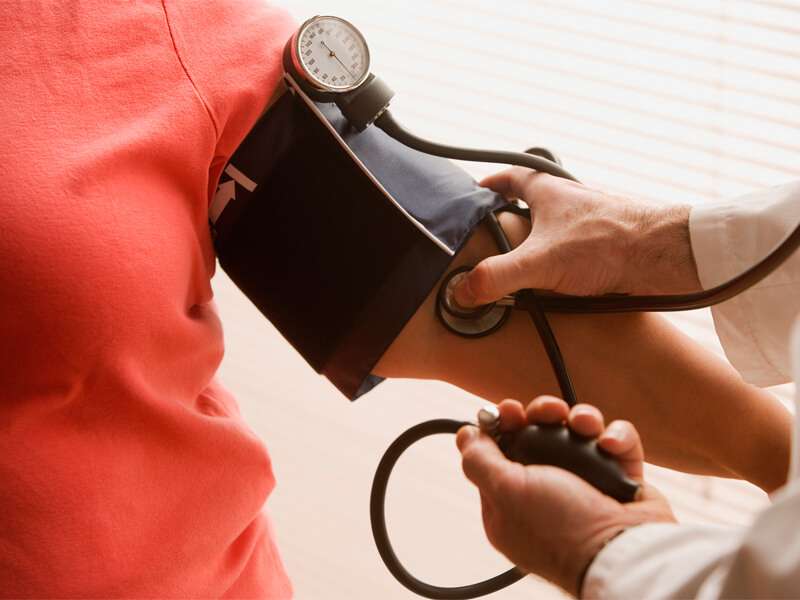
A hypertensive crisis is a serious medical emergency where blood pressure rises rapidly to dangerous levels. Immediate action is essential to prevent organ damage.
- Symptoms: Severe headache, chest pain, shortness of breath, visual changes, confusion, or seizures warrant urgent attention.
- Diagnosis: Blood pressure measurement confirms elevated values; further tests evaluate potential organ involvement such as ECG or kidney function tests.
- Treatment: Prompt administration of intravenous antihypertensive drugs in a hospital setting is critical to lower blood pressure safely.
- Prevention: Regular monitoring of blood pressure and adherence to prescribed medications help avoid crisis situations.
This condition requires swift medical intervention to reduce risks associated with dangerously high blood pressure readings.
ACUTE BRONCHITIS

Acute bronchitis is a common respiratory condition characterized by inflammation of the bronchial tubes, leading to cough and discomfort. It often follows a viral infection and affects people of all ages.
- Symptoms and Causes: Persistent cough, production of mucus, wheezing, fatigue, and sometimes mild fever are typical signs. Viral infections are the primary cause.
- Diagnosis: Clinical examination accompanied by patient history; occasionally chest X-rays or sputum tests rule out pneumonia or other conditions.
- Treatment Options: Mainly supportive, including rest, hydration, and over-the-counter pain relievers. Antibiotics are usually not needed unless bacterial infection is suspected.
- Management: Avoidance of irritants like smoke and use of humidifiers can ease symptoms.
- What to Expect: The condition typically resolves within two to three weeks without complications in healthy individuals.
Understanding acute bronchitis enables timely care and reduces unnecessary antibiotic use, promoting faster recovery and comfort.