DrKailash Gupta

DrKailash Gupta

MS
Orthopaedic Surgeons
5 242 ratings

About Me

DrKailash Gupta

MS
Orthopaedic Surgeons
10 Years Experience

Biography

Dr. Kailash Gupta is a highly skilled orthopaedic surgeon with over 10 years of dedicated experience in diagnosing, treating, and managing a wide range of musculoskeletal conditions. His comprehensive expertise covers injuries and disorders affecting bones, joints, muscles, ligaments, and tendons. Dr. Gupta’s goal is to help his patients regain mobility, reduce pain, and improve their overall quality of life through personalized and compassionate care. After completing his Master of Surgery (MS) in Orthopaedics, Dr. Gupta committed himself to staying updated with the latest advancements in orthopaedic medicine and surgical techniques. His educational background and continuous learning allow him to provide evidence-based treatments, whether through conservative management or surgical intervention, tailored to each patient’s unique needs. Dr. Gupta specializes in treating common conditions such as fractures, arthritis, sports injuries, spine disorders, joint replacements, and soft tissue injuries. He is experienced in both minimally invasive and traditional surgical procedures. His approach is patient-centered, emphasizing clear communication to ensure that each person understands their diagnosis, treatment options, and rehabilitation process. This transparency helps build trust and empowers patients to actively participate in their recovery journey. Understanding the apprehension many patients feel when facing surgery or chronic musculoskeletal problems, Dr. Gupta takes time to listen carefully and address concerns with empathy. He believes every patient deserves personalized attention and works collaboratively with a team of healthcare professionals, including physiotherapists and pain management specialists, to develop holistic treatment plans. Beyond his clinical practice, Dr. Gupta is involved in various professional organizations and continuously contributes to medical research and education. He regularly attends conferences and workshops to enhance his skills and to incorporate innovative techniques that can improve patient outcomes. Patients appreciate Dr. Kailash Gupta for his warm demeanor, patience, and thorough explanations. He is committed to walking with his patients every step of the way, whether managing acute injuries or chronic orthopaedic conditions. If you are seeking a knowledgeable and compassionate orthopaedic surgeon who prioritizes your health and comfort, Dr. Gupta is an excellent choice to guide you toward a healthier, more active life.

My Clinic

OPD Hours

Monday Morning 10:00 AM - 02:00 PM
Evening 06:00 PM - 09:00 PM
Tuesday Morning 10:00 AM - 02:00 PM
Evening 06:00 PM - 09:00 PM
Wednesday Morning 10:00 AM - 02:00 PM
Evening 06:00 PM - 09:00 PM
Thursday Morning 10:00 AM - 02:00 PM
Evening 06:00 PM - 09:00 PM
Friday Morning 10:00 AM - 02:00 PM
Evening 06:00 PM - 09:00 PM
Saturday Morning 10:00 AM - 02:00 PM
Evening 06:00 PM - 09:00 PM
Sunday Morning 10:00 AM - 02:00 PM
Evening 06:00 PM - 09:00 PM

Treatments

Specialised care and treatments offered

SHOULDER IMPINGEMENT SYNDROME TREATMENT
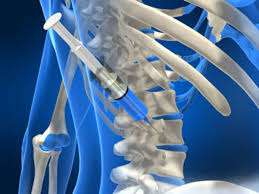
Shoulder Impingement Syndrome Treatment

Shoulder impingement syndrome occurs when shoulder tendons become irritated as they pass through a narrow space between bone structures in the shoulder. Proper diagnosis followed by treatment can significantly alleviate pain associated with this condition.

  • Symptoms: Commonly reported symptoms include shoulder pain during overhead activities alongside weakened arm movements.
  • Diagnosis technique: Physical examinations along with imaging tests like MRI play crucial roles in understanding tendon health.
  • Management strategies: Physical therapy often mitigates inflammation while anti-inflammatory medications aid symptom control; injections may also be indicated.
  • Expectations post-treatment: Many individuals achieve full range of motion gradually returning back to their everyday routines post-intervention.

The right treatment approach allows individuals suffering moderate-to-severe discomfort ultimately regain their functional capabilities effectively without extensive surgery.

CARPAL TUNNEL RELEASE

Carpal Tunnel Release

The carpal tunnel syndrome occurs when pressure compresses the median nerve in the wrist causing pain and numbness. Carpal tunnel release is a surgical procedure designed to relieve this pressure effectively.

  • Symptoms: Common symptoms include tingling sensations in fingers, hand weakness, or nocturnal pain interfering with sleep.
  • Diagnosis: A detailed medical history combined with nerve conduction studies confirms carpal tunnel syndrome.
  • Treatment options: Initial treatments may involve splinting or anti-inflammatory medications; however, surgical decompression becomes necessary when symptoms persist.
  • Surgical benefits: The procedure generally leads to immediate relief for many patients allowing them to resume normal activities shortly thereafter.

This surgery provides significant improvement in hand function while being minimally invasive compared to open procedures.

TENDON REPAIR SURGERY

Tendon Repair Surgery

Tendon repair surgery is performed to fix torn or ruptured tendons that connect muscles to bones. Injuries can occur due to sports activities or accidents, leading to significant pain and functional limitations.

  • Symptoms: Patients often experience severe pain around joints, swelling, bruising, or inability to move a limb properly after injury.
  • Diagnosis: Clinical assessments coupled with ultrasound or MRI scans help identify tendon tears accurately.
  • Surgical methods: The repair involves stitching together torn edges using advanced techniques for enhanced healing outcomes.
  • Recovery insights: Rehabilitation programs are critical post-surgery for regaining strength and movement over time.

This treatment ensures better functionality in daily activities and an enhanced quality of life after recovery from tendon injuries.

BUNION CORRECTION

Bunion Correction

Bunion correction addresses a common foot deformity characterized by a bony bump on the joint at the base of the big toe. This condition can lead to pain and difficulty wearing shoes if left untreated.

  • Symptoms: Pain at the bunion site, redness, swelling, and formation of calluses are common signs.
  • Diagnosis: A physical exam along with X-rays helps in determining the severity of the bunion deformity.
  • Treatment options: Non-surgical approaches include orthotic devices and modifications in footwear; however, surgical options may be considered for severe cases.
  • Post-operative care: Patients usually follow rehabilitation protocols for optimal recovery following surgery which aims at restoring foot function without discomfort.

This procedure offers long-term relief and correction of alignment issues associated with bunions.

PLATELET-RICH PLASMA (PRP) THERAPY

Platelet-Rich Plasma (PRP) Therapy

Platelet-rich plasma (PRP) therapy is an innovative treatment involving the injection of platelets derived from a patient’s own blood to promote healing in damaged tissues. This technique is increasingly popular among patients with chronic tendon injuries or joint issues.

  • Causes: Conditions such as tendinitis or osteoarthritis are common reasons for considering PRP therapy.
  • Diagnosis: Diagnosis typically involves evaluating medical history and conducting physical examinations along with imaging tests if necessary.
  • Treatment process: Blood is drawn from the patient, processed to concentrate the platelets, and then injected into the affected area.
  • Results expected: Many patients report significant pain relief and improved function following treatment, often within weeks.

This therapy harnesses the body's natural healing processes while being very safe due to its autologous nature.

ARTHROSCOPY

Arthroscopy

Arthroscopy is a minimally invasive surgical technique used to examine and treat joint conditions. This procedure allows the surgeon to view the inside of a joint using a small camera, known as an arthroscope, which is inserted through small incisions.

  • Symptoms: Patients may experience joint pain, swelling, and reduced mobility.
  • Diagnosis: A thorough physical examination and imaging studies such as MRI or X-rays help confirm the need for arthroscopy.
  • Treatment options: Conditions such as meniscus tears, ligament injuries, and cartilage damage can be addressed through this technique.
  • Recovery expectations: Most patients can return home the same day with a quick recovery time and gradual return to normal activities.

This approach not only minimizes recovery time but also reduces the risk of complications compared to traditional open surgery.


FAQs

What are your recommendations for post-operative care?
Post-operative care often includes adherence strictly prescribed exercises combined alongside gradual resumption regular activities under supervision promoting optimal healing ensuring best results attainable following orthopedic surgeries.
How do I know if I need surgery?
Indications for orthopedic surgery arise based on persistent pain despite conservative measures; further evaluations may assist clarifying whether surgical intervention becomes necessary adjusting unto specific circumstances faced by each patient.
'What types of imaging might I need prior to surgery?
'Common imaging modalities include X-rays & MRIs which help assess bone structure alongside soft tissue conditions ensuring accurate diagnostic planning tailored precisely before any operative intervention.'
Can you explain what arthroscopy entails?
'Arthroscopy' refers specifically to minimally invasive procedures that utilize small cameras allowing surgeons direct visualization within joints aiding both diagnosis & treatment alternatives; it's considerably less intrusive than open surgery.
What should I expect during my first visit?
During your initial consultation in Jaipur, a comprehensive evaluation will be conducted where your medical history will be discussed followed by relevant physical exams tailored specifically towards understanding your orthopedic concerns.
Are there non-surgical options available for joint pain?
Yes! Non-surgical options including physical therapy and injections like corticosteroids are frequently utilized before considering surgery. These methods often provide effective relief while minimizing downtime.
How long does recovery take from orthopedic surgeries?
Recovery times vary based on individual procedures but generally range from several days for minor surgeries up to several weeks for more extensive operations. Each person’s healing process differs based on factors like age and overall health.
What kind of conditions do orthopedic surgeons typically treat?
Orthopedic surgeons address various musculoskeletal conditions including fractures, arthritis, sports injuries, and joint replacements. With 10 years of experience in Jaipur's healthcare landscape, I specialize particularly in minimally invasive techniques.
Is minimally invasive surgery available for my condition?
Minimally invasive options exist numerous conditions treated though appropriateness determined further evaluations completed immersively dissected details elucidated gaining clarity inherent requirements pursued seeking solutions fitting identified challenges overcome collectively resulting positive transformations fostering engagement visions propelling successful evolutions borne distinctly unfolding thrilling escapades awaited reinforcing invigorating engagements harbored strategically progressing timelines drawn embarking extraordinary quests endorsed liberatively nurtured ultimately unveiled inviting prospects cherished delighted beacon light guiding paths explored seeking tremendously vibrant future possibilities embraced together communally enjoyed thoroughly enriching offerings cultivated organically appreciated!
Can you prescribe medication for my joint pain?
Absolutely! Orthopaedic surgeons can prescribe medications aimed alleviating discomfort treating underlying causes identified during initial assessment facilitating smoother pathways pursued towards recovering efficiently oriented positive directions stimulated exciting journeys embarked tailored personalized uniquely gratifying outcomes experienced conveyed continually reflected cohesive pathways motivated inspired focus regarded fulfilling progressive advancements charted hopeful spheres envisaged crossing roads discovering expansive realms blossoming positivity created continuously hence providing relief revitalizing energies restored allies fighting battles worth undertaking striving fervently succeeding thereafter!
Do I need a referral before seeing an orthopaedic surgeon?
Typically referrals are not necessary unless required insurances mandate provider network restrictions ensuring consultations proceed smoothly according stipulations defined amongst parties involved thus enabling seamless interactions undertaken exploring requisite avenues broadening access obtained towards specialized expertise offered delivering satisfactory experiences pursued initiating appointments proactively encouraged registering discussions had engaging prospective coordinators assisting navigate logistics favored facilitating connections sought ensured appointments booked efficiency maintained desired objectives achieved harmoniously together!
What kind of anesthesia will be used during my orthopaedic operation?
Anesthesia types depend largely upon specific procedures performed ranging local regional anesthesia providing comfort retaining consciousness versus general sleep state ensuring total relaxation desired prioritization respects personal preferences undergone exploration faced individually consulting accordingly relating embracing mutual awareness achieving clarity reaching understanding engaging support systems enlisted tenderly resonates positively deeply assuring peace mind throughout journey embraced together becoming integral elements enhancing cooperative respects during processes encouraging positive outcomes anticipated inherently naturally fostered towards emotional integrity!
Are there risks associated with orthopaedic surgery?
Yes, like any surgical intervention there are inherent risks including infection bleeding complications anesthesia-related reactions though rare they must be considered prior agreeing consent practices outlined discussing extensively potential concerns raised accordingly beforehand.