
DRJAINENDRA SRIV
About Me
DRJAINENDRA SRIV
MBBS
General Physician
10 Years Experience
Biography
My Clinic
OPD Hours
| Monday | Morning | 10:00 AM | - | 02:00 PM |
| Evening | 06:00 PM | - | 09:00 PM | |
| Tuesday | Morning | 10:00 AM | - | 02:00 PM |
| Evening | 06:00 PM | - | 09:00 PM | |
| Wednesday | Morning | 10:00 AM | - | 02:00 PM |
| Evening | 06:00 PM | - | 09:00 PM | |
| Thursday | Morning | 10:00 AM | - | 02:00 PM |
| Evening | 06:00 PM | - | 09:00 PM | |
| Friday | Morning | 10:00 AM | - | 02:00 PM |
| Evening | 06:00 PM | - | 09:00 PM | |
| Saturday | Morning | 10:00 AM | - | 02:00 PM |
| Evening | 06:00 PM | - | 09:00 PM | |
| Sunday | Morning | 10:00 AM | - | 02:00 PM |
| Evening | 06:00 PM | - | 09:00 PM |
Treatments
Specialised care and treatments offered
ACUTE RESPIRATORY INFECTIONS
Acutely developing infections of the respiratory tract commonly cause coughing, fever, and difficulty breathing. These infections range from mild colds to more serious illnesses requiring prompt attention for recovery.
CHILDHOOD NUTRITIONAL DEFICIENCY

Nutritional deficiencies in children can hinder growth and development if not addressed promptly. Balanced nutrition supports both physical health and cognitive function during critical stages of life.
- Causal factors/symptoms: Poor diet variety or absorption issues can cause signs like fatigue, delayed milestones or frequent infections.
- Evidencing diagnosis:
SEASONAL ALLERGIES RELIEF
The body's immune system sometimes overreacts to airborne substances during certain times of the year causing seasonal allergic rhinitis. Symptoms can affect quality of life but are manageable with appropriate measures.
- Main symptoms/cause: Sneezing, nasal congestion, itchy eyes triggered by pollen or mold spores prevalent in specific seasons.
- Diagnosis approach: History taking supported by allergy testing identifies offending allergens accurately.
- Treatment options include: Antihistamines, nasal sprays or immunotherapy depending on symptom severity and persistence.
- Lifestyle adjustments: Keeping windows closed during high pollen counts and avoiding outdoor activities at peak times reduce exposure risks.
Taking timely steps for prevention along with medical treatment allows sufferers to enjoy better comfort during allergy seasons without significant disruption to their routines.
ASTHMA CONTROL
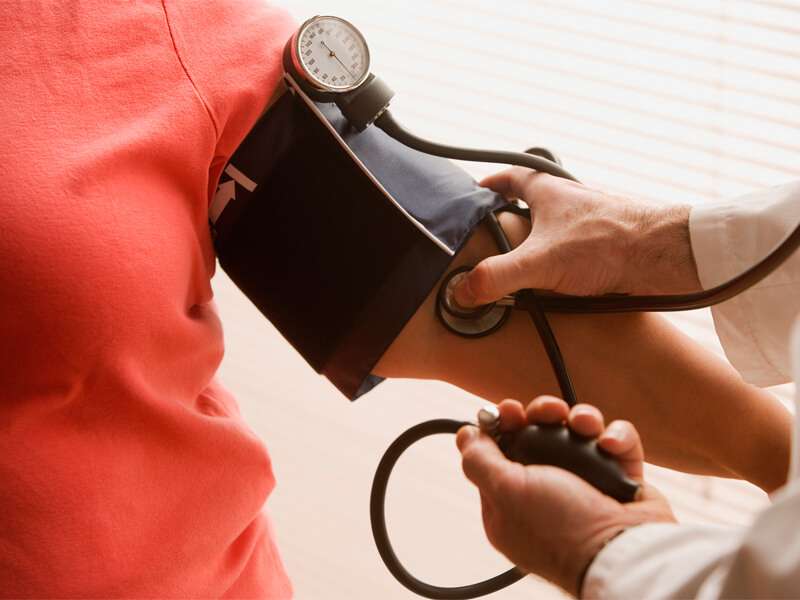
Asthma is a chronic respiratory disease that causes inflammation and narrowing of the airways leading to breathing difficulties. Effective control reduces flare-ups and improves daily functioning.
- Causative factors & symptoms: Triggers include allergens, infections, cold air; symptoms are wheezing, coughing, shortness of breath.
- Diagnosis involves: Lung function tests like spirometry along with clinical history assessment.
- Treatment methods: Use of inhalers containing bronchodilators or corticosteroids tailored to symptom severity.
- Avoidance strategies: Identifying triggers such as smoke or dust helps prevent attacks.
- Mangement goals: Maintain normal activity levels while minimizing emergency visits through regular follow-ups.
An individualized plan combining medication adherence with trigger avoidance greatly enhances asthma control and patient comfort over time.
TYPE 2 DIABETES CARE
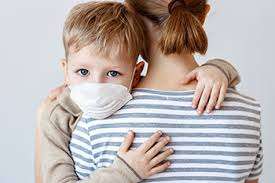
Type 2 diabetes is a metabolic disorder characterized by elevated blood sugar levels due to insulin resistance. Early recognition and ongoing management are vital for preventing complications.
- Common symptoms/causes: Increased thirst, frequent urination, fatigue; often linked to obesity and sedentary lifestyle.
- Diagnostic tests: Blood glucose measurements such as fasting glucose and HbA1c confirm diagnosis.
- Treatment strategies: Include dietary adjustments, regular physical activity, oral medications or insulin therapy depending on severity.
- Lifestyle management: Weight control and avoiding smoking improve outcomes significantly.
- Long-term outlook: Properly managed diabetes reduces risks of kidney disease, vision loss, and cardiovascular problems.
A proactive approach focusing on education and support can help individuals manage diabetes effectively and maintain quality of life.
HYPERTENSION MANAGEMENT
High blood pressure, or hypertension, is a common condition that can lead to serious health issues if left untreated. Maintaining healthy blood pressure levels is crucial for overall cardiovascular health.
- Symptoms and causes: Often called the 'silent killer', hypertension may have no clear symptoms but can be caused by factors like obesity, salt intake, stress, and genetics.
- Diagnosis: Blood pressure is measured using a cuff; multiple readings over time help confirm a diagnosis.
- Treatment options: Lifestyle changes such as diet modification, exercise, and medication when necessary are key to control.
- Management: Regular monitoring and adherence to prescribed therapy ensure effective management.
- Expectations: With proper care, people with hypertension can lead healthy lives and reduce risks of heart disease or stroke.
Understanding this condition empowers patients to take an active role in their health journey and avoid complications through consistent care.