
DrJ P Swami Urol
About Me
DrJ P Swami Urol
MD
Infectious disease specialists
Biography
My Clinic
OPD Hours
| Monday | Morning | 10:00 AM | - | 02:00 PM |
| Evening | 06:00 PM | - | 09:00 PM | |
| Tuesday | Morning | 10:00 AM | - | 02:00 PM |
| Evening | 06:00 PM | - | 09:00 PM | |
| Wednesday | Morning | 10:00 AM | - | 02:00 PM |
| Evening | 06:00 PM | - | 09:00 PM | |
| Thursday | Morning | 10:00 AM | - | 02:00 PM |
| Evening | 06:00 PM | - | 09:00 PM | |
| Friday | Morning | 10:00 AM | - | 02:00 PM |
| Evening | 06:00 PM | - | 09:00 PM | |
| Saturday | Morning | 10:00 AM | - | 02:00 PM |
| Evening | 06:00 PM | - | 09:00 PM | |
| Sunday | Morning | 10:00 AM | - | 02:00 PM |
| Evening | 06:00 PM | - | 09:00 PM |
Treatments
Specialised care and treatments offered
MENINGITIS
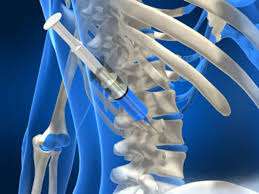
Meningitis is an inflammation of protective membranes covering the brain and spinal cord. It's commonly caused by viral or bacterial infections. Rapid diagnosis is critical as some forms can progress rapidly leading to serious complications if not addressed promptly!
- Symptoms often start suddenly with severe headaches accompanied by neck stiffness confusion vomiting light sensitivity among others signals indicating potential involvement
- Various diagnostics include lumbar punctures allowing fluid analysis alongside imaging studies giving insights into illness pathways
- Treatments depend largely on causative agents; bacterial variants necessitate urgent administration via intravenous antibiotics whilst viral meningitis typically resolves without specific medical intervention required here
- Regular follow-ups post-treatment facilitate monitoring progress ensuring any lingering issues tackled appropriately preventing setbacks posing risks long term health statuses going forward .
Meningitis awareness empowers broader community discussions surrounding vaccination benefits helping avert unnecessary outbreaks providing support systems readily available during crises when these situations arise moreover!
CLOSTRIDIUM DIFFICILE INFECTION (CDI)

This gut-based infection often occurs after antibiotic use compromises normal gut flora. Clostridium difficile produces toxins leading to severe diarrhea and abdominal discomfort. Recognizing symptoms quickly can prevent complications associated with severe colitis caused by this bacterium.
- Main signs include frequent watery diarrhea accompanied by abdominal cramping along with potential fever-related symptoms like chills or dehydration if left untreated over time
- Diagnosis relies upon identifying toxins in stool samples through laboratory testing methods aimed at confirming CDI presence
- Treatment generally comprises antibiotics specifically targeted against C. difficile along with supportive care focusing on hydration restoration
- Preventive measures post-infection might involve implementing hygiene practices such as careful handwashing techniques among healthcare workers & community members alike ; monitoring recurrence rates also remains imperative throughout treatment journeys .
Quick interventions lead towards alleviating distressful consequences arising due ineffective handling processes tied up around CDI phenomena ; hence collaborative efforts hold utmost significance !
VIRAL HEPATITIS

This group of infectious diseases caused by different viruses affects liver function. The most common types are hepatitis A, B, C, D, and E. Awareness about hepatitis transmission is important as each type has unique risks associated with it.
- The symptoms often range from mild fatigue to severe jaundice (yellowing of skin/eyes) depending on the virus type involved.
- Disease confirmation typically requires blood tests that specifically look for viral markers
- Treatment varies significantly between types; chronic hepatitis B or C may necessitate long-term antiviral therapies while hepatitis A usually resolves on its own without specific medication.
- Lifestyle modifications alongside medications play key roles during recovery stages; maintaining regular follow-up checks can help mitigate complications further down the line
A thorough understanding of viral hepatitis promotes better health choices while emphasizing preventive measures against transmission risks within communities.
TUBERCULOSIS (TB)

Tuberculosis is a contagious bacterial infection that primarily affects the lungs but can also impact other areas of the body. Prompt identification and treatment are crucial to prevent its spread within communities.
- Main symptoms include a persistent cough that lasts three weeks or more, chest pain, weight loss, fever, and night sweats.
- Diagnosis usually entails a combination of chest X-rays and sputum tests that identify Mycobacterium tuberculosis bacteria.
- The standard management approach encompasses antibiotic therapy, which typically lasts six months or longer depending on the severity of infection.
- Patients must adhere strictly to their prescribed medication regimen to avoid developing drug-resistant TB strains.
- Regular follow-up visits are essential for monitoring treatment effectiveness and managing side effects from medications.
Understanding TB's nature is vital in combating its prevalence; education plays a significant role in ensuring public health safety against this disease.
HIV/AIDS

Human Immunodeficiency Virus (HIV) attacks the immune system, weakening it over time and potentially leading to Acquired Immunodeficiency Syndrome (AIDS). Understanding how HIV is transmitted is key to prevention, while early diagnosis allows for effective management strategies.
- The initial symptoms often resemble those of the flu or another viral infection but can be mild or go unnoticed.
- Testing for HIV involves blood tests that can detect antibodies or antigens related to the virus.
- Treatment primarily consists of antiretroviral therapy, which helps manage the virus effectively and enables individuals to live healthy lives.
- Ongoing medical care includes routine check-ups, screening for opportunistic infections, and education about risk reduction strategies.
- A proactive approach contributes significantly to long-term health outcomes; thus, regular follow-up appointments are essential.
A comprehensive understanding of HIV can help dispel myths and encourage individuals to seek timely testing and treatment options.
SEPSIS

Sepsis is a life-threatening condition that arises when the body's response to infection injures its own tissues and organs. It can be triggered by various infections such as pneumonia, urinary tract infections, or infections in the bloodstream. Early recognition and treatment are crucial for improving outcomes.
- Symptoms may include fever, increased heart rate, confusion, and shortness of breath.
- Diagnosis typically involves blood tests, imaging studies, and clinical evaluations to identify the source of infection.
- Treatment options often consist of intravenous antibiotics, fluid resuscitation, and supportive care in an intensive care unit.
- Management may require addressing underlying causes and monitoring for potential complications.
- A patient's recovery can vary significantly based on the severity of sepsis and any organ dysfunction present.
Timely intervention is vital for better survival rates; therefore, understanding the importance of immediate medical attention cannot be overstated.