
Drishti Hospital
About Me
Drishti Hospital
MBBS
Hematologists
10 Years Experience
Biography
My Clinic
OPD Hours
| Monday | Morning | 10:00 AM | - | 02:00 PM |
| Evening | 06:00 PM | - | 09:00 PM | |
| Tuesday | Morning | 10:00 AM | - | 02:00 PM |
| Evening | 06:00 PM | - | 09:00 PM | |
| Wednesday | Morning | 10:00 AM | - | 02:00 PM |
| Evening | 06:00 PM | - | 09:00 PM | |
| Thursday | Morning | 10:00 AM | - | 02:00 PM |
| Evening | 06:00 PM | - | 09:00 PM | |
| Friday | Morning | 10:00 AM | - | 02:00 PM |
| Evening | 06:00 PM | - | 09:00 PM | |
| Saturday | Morning | 10:00 AM | - | 02:00 PM |
| Evening | 06:00 PM | - | 09:00 PM | |
| Sunday | Morning | 10:00 AM | - | 02:00 PM |
| Evening | 06:00 PM | - | 09:00 PM |
Treatments
Specialised care and treatments offered
IDIOPATHIC THROMBOCYTOPENIC PURPURA (ITP)
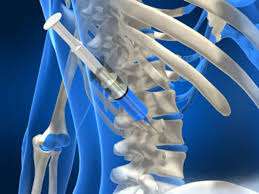
This autoimmune disorder leads to abnormally low platelet counts causing increased bruising and bleeding risks. It can affect children as well as adults presenting acutely or chronically depending on underlying triggers.
- Epidemiology & causes: Autoimmune destruction of platelets commonly triggered by infections or sometimes idiopathic without known cause.
- Sx include: Petechiae (small purple spots), prolonged bleeding from minor cuts or dental procedures.
- The diagnosis criteria involve thenormal bone marrow function combined with isolated thrombocytopenia excluding other conditions through lab tests. significant findings . tests. s. treatment : Steroid therapy initially; intravenous immunoglobulin (IVIG) if urgent platelet increase needed; or splenectomy in refractory cases; deciding tailored approach best left to hematology expert teams. s expectations affected: favorable prognosis generally if treated early though monitoring continues long-term due to relapse potential..
SICKLE CELL DISEASE

Sickle cell disease is a hereditary condition where red blood cells assume a rigid sickle shape causing blockages in small vessels. This results in pain crises and chronic anemia throughout life affecting mainly individuals of certain ethnic backgrounds.
- Causative mutation: Abnormal hemoglobin S gene inherited from both parents.
- Spectrum of symptoms: Episodes of intense pain (vaso-occlusive crises), fatigue due to anemia; infections may also be frequent.
- The diagnosis relies on: Newborn screening tests followed by confirmatory hemoglobin electrophoresis.
- Treatment focus: Pain management during crises along with hydroxyurea medication usage; sometimes requires transfusions.
- Lifestyle considerations: Avoiding triggers like dehydration or extreme temperatures helps reduce attacks.
This condition necessitates regular follow-up so complications can be detected early and managed effectively for a better quality of life.
HEMOPHILIA

A lifelong bleeding disorder caused by deficiencies in clotting factors VIII or IX known as hemophilia leads to improper blood clot formation. Patients experience prolonged bleeding episodes especially after injuries or surgeries.
- Main causes:An inherited genetic defect affecting clotting factor production within the liver cells.
- Telltale signs:Easily bruising skin, frequent nosebleeds, joint swelling due to internal bleeding are common symptoms.
- The diagnosis involves: Measuring clotting factor levels through specialized coagulation assays confirms hemophilia type and severity.
LEUKEMIA

The term leukemia refers to a group of cancers that affect the blood-forming tissues including bone marrow. This results in the uncontrolled proliferation of abnormal white blood cells which impairs normal immune function.
- Causes and risk factors: Genetic predisposition, environmental exposure to toxins or radiation may increase risk.
- Symptoms include: Frequent infections, unexplained weight loss, bruising easily, fever, and swollen lymph nodes.
- Diagnostic methods: Peripheral blood smear, bone marrow biopsy and flow cytometry assist in confirming leukemia subtypes.
- Treatment modalities:Chemotherapy remains central; targeted therapies, radiation therapy or stem cell transplantation are other options based on disease extent.
Catching leukemia early leads to improved outcomes through personalized treatment plans developed by hematology specialists.
THALASSEMIA

Thalassemia is an inherited blood disorder characterized by abnormal hemoglobin production leading to anemia. It predominantly affects children but can range in severity depending on the genetic mutation involved.
- Causes: Genetic mutations affecting alpha or beta globin chains cause this condition.
- Symptoms: Severe fatigue, delayed growth, jaundice, and bone deformities may be present.
- Diagnosis: Blood smear analysis and hemoglobin electrophoresis are crucial diagnostic tools.
- Treatment options: Regular blood transfusions, iron chelation therapy to prevent overload, and possible bone marrow transplantation in severe cases.
- Lifelong management: Monitoring for complications like iron overload is vital for optimal care.
A multidisciplinary approach helps improve quality of life for those living with thalassemia.
IRON DEFICIENCY ANEMIA

Iron deficiency anemia is a common blood disorder that occurs when your body lacks enough iron to produce adequate hemoglobin. Hemoglobin is essential for transporting oxygen in the blood, and without sufficient levels, fatigue and weakness can develop.
- Causes: Poor dietary intake, chronic blood loss, or absorption issues can lead to iron deficiency.
- Symptoms: Fatigue, pale skin, shortness of breath, and dizziness are typical signs.
- Diagnosis: Blood tests including complete blood count (CBC) and serum ferritin help confirm iron deficiency anemia.
- Treatment: Iron supplementation through oral tablets or intravenous therapy along with addressing underlying causes.
- Expectations: With proper treatment, patients often notice improvement in energy levels within weeks.
This condition is manageable once diagnosed, and timely intervention improves overall well-being significantly.