
DrGSBhatia Mem
About Me
DrGSBhatia Mem
MBBS
General Physician
10 Years Experience
Biography
My Clinic
OPD Hours
| Monday | Morning | 10:00 AM | - | 02:00 PM |
| Evening | 06:00 PM | - | 09:00 PM | |
| Tuesday | Morning | 10:00 AM | - | 02:00 PM |
| Evening | 06:00 PM | - | 09:00 PM | |
| Wednesday | Morning | 10:00 AM | - | 02:00 PM |
| Evening | 06:00 PM | - | 09:00 PM | |
| Thursday | Morning | 10:00 AM | - | 02:00 PM |
| Evening | 06:00 PM | - | 09:00 PM | |
| Friday | Morning | 10:00 AM | - | 02:00 PM |
| Evening | 06:00 PM | - | 09:00 PM | |
| Saturday | Morning | 10:00 AM | - | 02:00 PM |
| Evening | 06:00 PM | - | 09:00 PM | |
| Sunday | Morning | 10:00 AM | - | 02:00 PM |
| Evening | 06:00 PM | - | 09:00 PM |
Treatments
Specialised care and treatments offered
GASTROESOPHAGEAL REFLUX DISEASE (GERD) MANAGEMENT
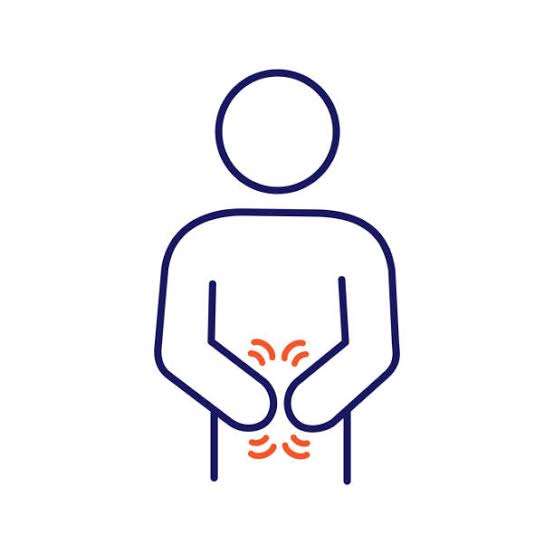
GERD occurs when stomach acid frequently flows back into the esophagus causing irritation. This common digestive disorder can affect daily comfort if not properly addressed early on.
DYSLIPIDEMIA CONTROL

Dyslipidemia involves abnormal levels of lipids in the blood which increases cardiovascular risk. It’s frequently detected during routine examinations even before symptoms appear.
- Causal background & signs: Often linked with unhealthy diet or genetics; usually asymptomatic until complications arise such as chest pain from coronary artery disease.
- ID methods: Lipid profile blood tests assessing cholesterol fractions guide diagnosis clearly.
- Treatment strategies: Lifestyle modifications including diet changes plus statins or other lipid-lowering agents when indicated for risk reduction purposes.
- Lifestyle recommendations:: Regular exercise combined with smoking cessation further improves lipid parameters alongside medication adherence efforts.
HYPOTHYROIDISM TREATMENT
An underactive thyroid gland results in hypothyroidism, causing slow metabolism and various bodily functions becoming sluggish. Early recognition leads to better outcomes with treatment.
- Causative factors & symptoms: Fatigue, weight gain, cold intolerance; commonly autoimmune or iodine deficiency related causes.
- The diagnostic process: Blood tests measure thyroid hormone levels (TSH and T4) for confirmation.
- Therapeutic measures: Lifelong daily thyroid hormone replacement therapy adjusted based on periodic testing results ensures normal metabolism restoration.
- Treatment monitoring goals: Symptom relief alongside normalization of lab values minimizes risks like heart problems or infertility associated with untreated hypothyroidism.
This manageable condition requires patient adherence to medication schedules for sustained well-being throughout life.
CHRONIC OBSTRUCTIVE PULMONARY DISEASE (COPD) SUPPORT
COPD is a progressive lung condition that makes breathing difficult due to airflow obstruction. It's commonly linked to smoking but can have other environmental causes.
- Symptoms and causes: Persistent cough, sputum production, breathlessness; mainly caused by long-term exposure to irritants like tobacco smoke.
- Diagnosis: Pulmonary function tests assess airflow limitation; chest X-rays may aid in evaluation.
- Treatment options: Smoking cessation support, inhaled bronchodilators, corticosteroids, pulmonary rehabilitation programs help manage symptoms.
- Lifestyle impact: Patients should avoid pollutants and infections; vaccinations are recommended to reduce exacerbations.
Efficacious management focuses on improving quality of life by relieving symptoms and preventing progression wherever possible.
TYPE 2 DIABETES MELLITUS CARE

Type 2 diabetes is a chronic metabolic disorder characterized by elevated blood sugar levels due to insulin resistance. It requires careful long-term care to avoid complications.
- Symptoms and causes: Increased thirst, frequent urination, fatigue; related to obesity, inactivity, genetics.
- Diagnosis: Blood tests including fasting glucose and HbA1c levels determine disease presence and severity.
- Treatment approaches: Emphasizes dietary modifications, regular physical activity, oral medications or insulin therapy when necessary.
- Monitoring expectations: Regular follow-ups for blood sugar control, eye exams, kidney function tests to prevent organ damage.
A comprehensive care plan tailored to individual needs helps manage diabetes effectively and reduces the risk of complications over time.
HYPERTENSION MANAGEMENT
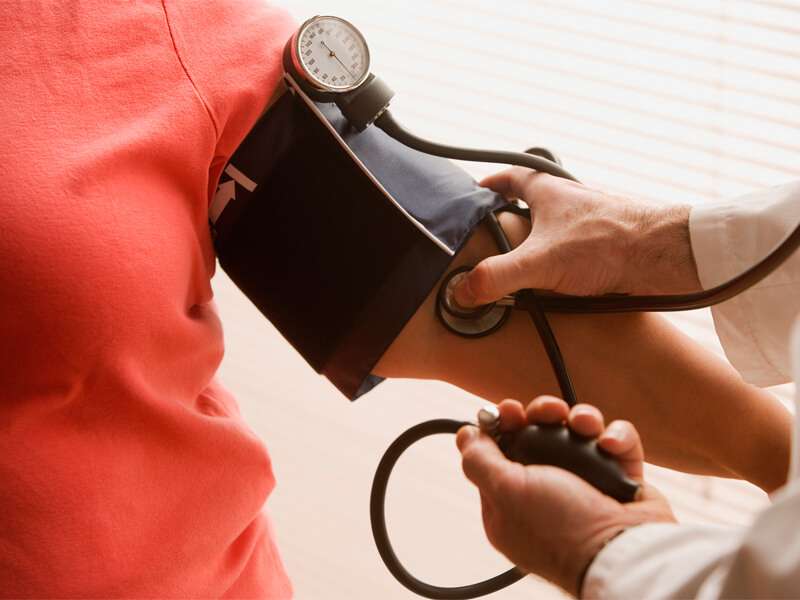
High blood pressure, or hypertension, is a common condition that can lead to serious health complications if left untreated. It often develops over years and may not present noticeable symptoms initially.
- Symptoms and causes: Usually asymptomatic but can include headaches or dizziness; caused by genetics, lifestyle, diet, and stress.
- Diagnosis: Regular blood pressure readings taken during clinic visits help confirm the condition.
- Treatment options: Lifestyle changes such as diet and exercise combined with prescribed antihypertensive medications to control blood pressure.
- Management expectations: Ongoing monitoring is essential to reduce risks of heart disease and stroke through adherence to treatment plans.
Early detection and consistent management can greatly improve quality of life and prevent dangerous complications associated with elevated blood pressure.