
DrG P Gupta
About Me
DrG P Gupta
MBBS
General Physician
10 Years Experience
Biography
My Clinic
OPD Hours
| Monday | Morning | 10:00 AM | - | 02:00 PM |
| Evening | 06:00 PM | - | 09:00 PM | |
| Tuesday | Morning | 10:00 AM | - | 02:00 PM |
| Evening | 06:00 PM | - | 09:00 PM | |
| Wednesday | Morning | 10:00 AM | - | 02:00 PM |
| Evening | 06:00 PM | - | 09:00 PM | |
| Thursday | Morning | 10:00 AM | - | 02:00 PM |
| Evening | 06:00 PM | - | 09:00 PM | |
| Friday | Morning | 10:00 AM | - | 02:00 PM |
| Evening | 06:00 PM | - | 09:00 PM | |
| Saturday | Morning | 10:00 AM | - | 02:00 PM |
| Evening | 06:00 PM | - | 09:00 PM | |
| Sunday | Morning | 10:00 AM | - | 02:00 PM |
| Evening | 06:00 PM | - | 09:00 PM |
Treatments
Specialised care and treatments offered
URINARY TRACT INFECTION (UTI)
A urinary tract infection occurs when bacteria invade parts of the urinary system. This prevalent issue requires attention primarily due to discomfort during urination and frequent urges to visit the bathroom.
- Symptoms: These include burning sensations during urination along with cloudy urine; some may experience pelvic pain as well
- Diagnosis: Urine tests identifying bacteria presence help confirm UTI diagnosis alongside patient's reported symptoms
- Treatment: Typically involves antibiotics per doctor's prescription; increased fluid intake aids flushing out bacteria
The prognosis tends to be positive when treated early; awareness about prevention efforts helps further protect against recurrent infections.
HYPOGLYCEMIA

This condition is characterized by abnormally low blood sugar levels. It remains critical for those at risk—particularly diabetes patients—to recognize its symptoms quickly for proper intervention.
- Symptoms: Sudden onset nervousness, sweating, hunger pangs, shakiness, dizziness or confusion—need immediate attention if experienced after meals or medication doses
Prompt treatment is vital: consuming quick sources of sugar such as glucose tablets or fruit juice typically stabilizes levels fairly swiftly.
ANEMIA

Anemia refers to a decrease in red blood cells or hemoglobin levels, impacting oxygen transport throughout the body. Identifying its cause is vital for effective treatment strategies.
- Causes: Iron deficiency is common but can also result from vitamin deficiencies, chronic illnesses, or genetic conditions affecting blood production.
- Symptoms: Fatigue, weakness, pale skin, and shortness of breath are prevalent symptoms that may indicate anemia's presence in individuals.
- Diagnosis: A complete blood count (CBC) test helps determine hemoglobin levels; additional tests may uncover underlying causes of anemia.
Easily manageable with appropriate interventions such as dietary changes or supplements—anemia's resolution improves quality of life significantly for many patients.
GASTROENTERITIS
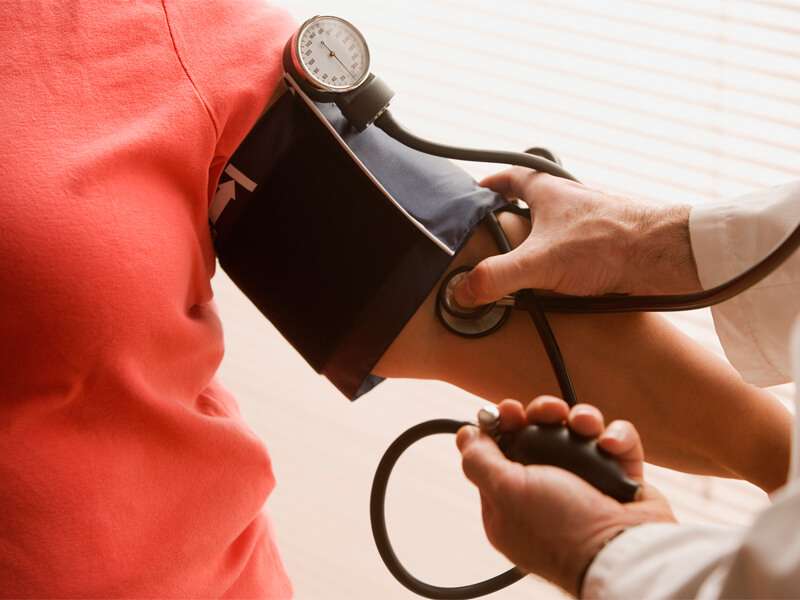
This inflammation of the stomach and intestines often results from viral infections but can also arise from bacteria or parasites. Recognizing the signs early ensures timely management.
- Symptoms: Commonly includes diarrhea, vomiting, abdominal cramps, and sometimes fever, leading to dehydration if not addressed promptly.
- Diagnosis: Diagnosis generally involves reviewing recent dietary history and checking for potential outbreaks in community settings.
- Treatment options: Treatment focuses on hydration; oral rehydration solutions or IV fluids might be necessary in severe cases to replace lost fluids and electrolytes.
Avoiding contaminated food and practicing good hygiene can significantly reduce the risk of gastroenteritis outbreaks among populations.
ACUTE BRONCHITIS
Acute bronchitis occurs when the bronchial tubes in the lungs become inflamed due to an infection or irritants. While it can be uncomfortable, most cases improve with appropriate care.
- Causes: Viruses are the primary cause; however, exposure to smoke or other pollutants can also trigger symptoms.
- Symptoms: Persistent cough accompanied by mucus production, wheezing, and chest discomfort are commonly reported by patients.
- Diagnosis: A physician typically diagnoses acute bronchitis based on medical history and physical examination findings—listening to lung sounds can reveal abnormalities.
- Treatment options: Hydration is essential along with rest; bronchodilators and anti-inflammatory medications may be prescribed for symptom relief.
An understanding of the condition helps patients take proactive measures toward recovery and prevent complications.
HYPERTENSION
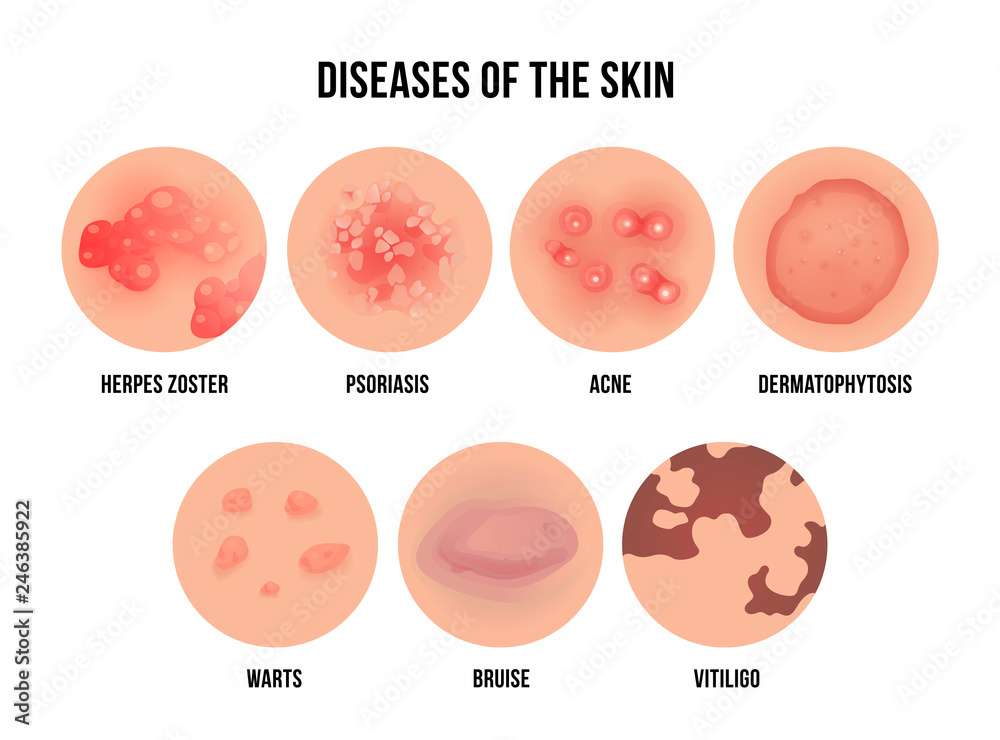
Hypertension, commonly known as high blood pressure, is a condition that affects millions of individuals worldwide. It often goes unnoticed due to its lack of prominent symptoms. Understanding how to manage and treat hypertension is crucial for maintaining heart health.
- Symptoms: Many people with hypertension may not experience noticeable symptoms; however, some might report headaches, dizziness, or nosebleeds in severe cases.
- Diagnosis: Blood pressure is measured using a sphygmomanometer during routine check-ups. Multiple readings are often required to confirm a diagnosis.
- Treatment options: Lifestyle changes such as improving diet, increasing physical activity, and medications like diuretics or ACE inhibitors can effectively lower blood pressure.
- What to expect: With consistent management, individuals can lead healthy lives while keeping their blood pressure within normal ranges.
Regular monitoring and follow-up are key components in managing hypertension effectively.