
Dreshti The Laser Eye Clinic
About Me
Dreshti The Laser Eye Clinic
MS
Cardiothorocic Surgeon
10 Years Experience
Biography
My Clinic
OPD Hours
| Monday | Morning | 10:00 AM | - | 02:00 PM |
| Evening | 06:00 PM | - | 09:00 PM | |
| Tuesday | Morning | 10:00 AM | - | 02:00 PM |
| Evening | 06:00 PM | - | 09:00 PM | |
| Wednesday | Morning | 10:00 AM | - | 02:00 PM |
| Evening | 06:00 PM | - | 09:00 PM | |
| Thursday | Morning | 10:00 AM | - | 02:00 PM |
| Evening | 06:00 PM | - | 09:00 PM | |
| Friday | Morning | 10:00 AM | - | 02:00 PM |
| Evening | 06:00 PM | - | 09:00 PM | |
| Saturday | Morning | 10:00 AM | - | 02:00 PM |
| Evening | 06:00 PM | - | 09:00 PM | |
| Sunday | Morning | 10:00 AM | - | 02:00 PM |
| Evening | 06:00 PM | - | 09:00 PM |
Treatments
Specialised care and treatments offered
CARDIAC ARREST MANAGEMENT
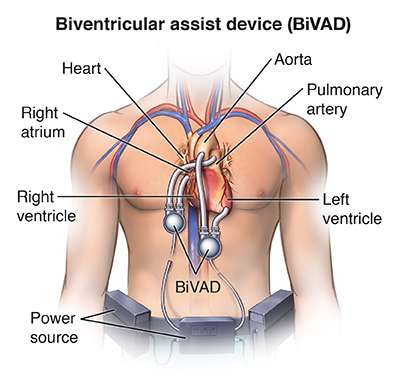
Cardiac arrest represents an immediate medical emergency characterized by an abrupt cessation of heartbeat due to various factors including arrhythmias or severe heart conditions. Rapid response protocols can save lives in these critical situations requiring coordinated actions from trained responders across multiple facets within emergency care settings alike!
- The defining symptom: sudden collapse; unresponsiveness necessitating immediate action along with efficient CPR implementation protocols while awaiting advanced medical team arrivals at locations where out-of-hospital arrests occur frequently too!
- Diagnostic measures involve assessing vitals upon arrival; use defibrillators promptly aiming towards restoring normal rhythm effectively accelerating chances towards survival outcomes significantly!
- Management strategies revolve around continuous monitoring thereafter alongside administering medications facilitating stabilization aimed providing sustained support ultimately necessary!
- Engaging families promotes understanding better how they adapt following events; ensuring resources available help during emotional transitions post-survivorship journeys ahead becomes vital every step taken!
This comprehensive understanding empowers all involved parties seeking ways advocate best practices reinforcing preparedness facing challenges presented within scenarios encountered featuring unpredictable nature altogether!
LUNG BIOPSY
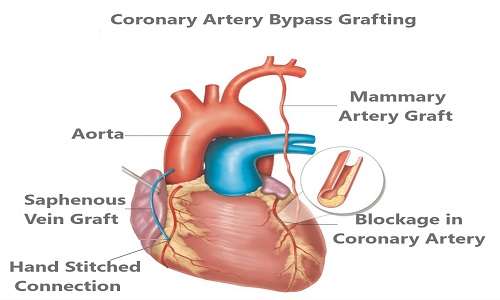
A lung biopsy is an essential diagnostic tool utilized to assess suspicious lung masses. By obtaining tissue samples from affected areas, healthcare providers can determine whether cancerous growths are present and outline appropriate treatment options accordingly.
- The most common symptoms leading to biopsy recommendations may include chronic cough accompanied by blood-tinged sputum or unexplained weight loss over time.)
- Disease identification typically incorporates imaging studies followed by biopsy methods like bronchoscopy or needle aspiration targeting abnormal areas directly within the lungs.
Catching issues early ensures timely interventions are possible while facilitating comprehensive treatment pathways tailored specifically toward individual patient needs in respiratory health management overall!
THORACOTOMY
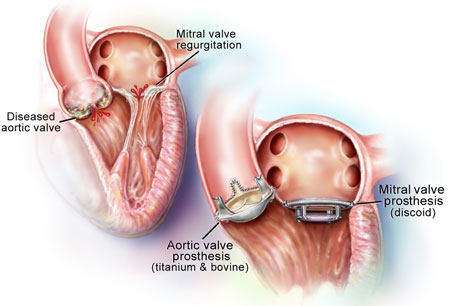
A thoracotomy is a surgical procedure that provides access to the thoracic cavity for various interventions, such as lung surgeries or cardiac procedures. It is crucial in treating conditions requiring direct access inside the chest region, ensuring thorough evaluation and treatment.
- The main symptoms prompting this surgery may include persistent cough, unexplained weight loss, or significant chest pain indicative of underlying diseases.
- This procedure is diagnosed through imaging techniques including X-rays or CT scans that reveal abnormalities warranting surgery.
- Surgical management varies based on patient needs but often entails meticulous planning regarding incisions and post-surgical care protocols.
- Pain management strategies are employed during recovery while monitoring potential complications associated with chest wall healing.
A successful thoracotomy enables effective management of serious thoracic conditions while promoting patient safety throughout their recovery journey.
AORTIC ANEURYSM REPAIR
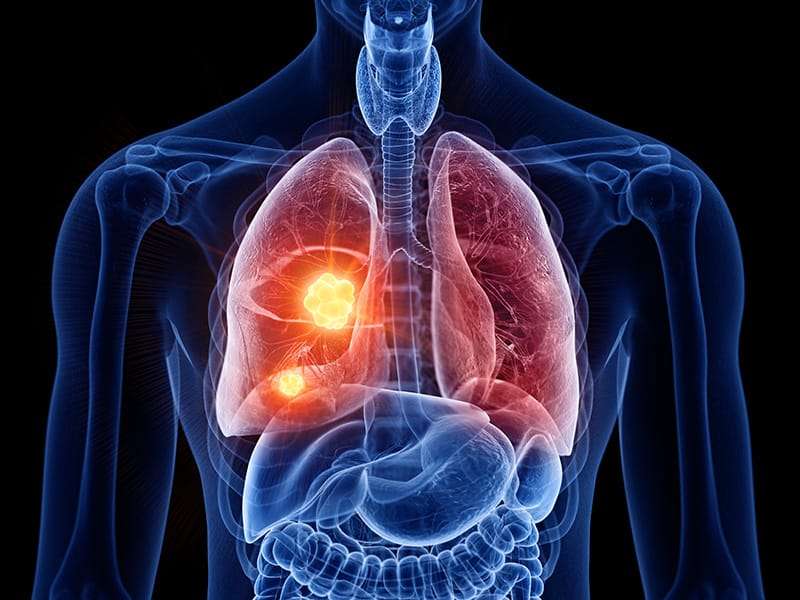
An aortic aneurysm occurs when a weakened section of the aorta expands abnormally, posing serious health risks if ruptured. Repairing an aneurysm can be critical for preventing life-threatening situations. Surgeons employ various techniques based on size and location of the aneurysm.
- Common symptoms, when they occur, include sudden chest or back pain, shortness of breath, and dizziness.
- Differential diagnosis often involves imaging studies like CT scans or ultrasounds to assess aneurysm size and shape.
- Treatment may involve open surgical repair or endovascular procedures that are minimally invasive.
- Recovery time varies but usually includes activity restrictions for several weeks post-operation.
Timely intervention significantly reduces risks associated with aneurysms and enhances long-term survival rates.
HEART VALVE REPAIR OR REPLACEMENT
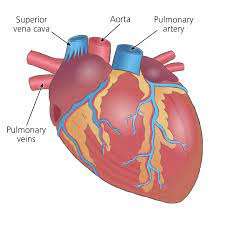
Heart valve disorders can lead to significant cardiovascular complications if left untreated. This procedure addresses malfunctioning valves that disrupt normal blood flow through the heart. Options include repairing the existing valve or replacing it with a mechanical or biological prosthetic.
- The primary symptoms include fatigue, swelling in the legs, and irregular heartbeats.
- Valvular heart disease is diagnosed through echocardiograms, which provide images of valve function.
- Treatment includes either surgical repair or replacement, depending on the specific valve and condition severity.
- Post-surgery recovery involves monitoring for any complications and adherence to follow-up appointments for optimal outcomes.
A successful intervention greatly improves heart function and overall health in affected individuals.
CORONARY ARTERY BYPASS GRAFTING (CABG)
Coronary Artery Bypass Grafting is a common surgical procedure designed to improve blood flow to the heart. It involves creating a new pathway around blocked arteries to restore adequate blood supply. This surgical intervention can be crucial for patients with severe coronary artery disease.
- Symptoms may include chest pain (angina), shortness of breath, and fatigue during physical activity.
- Diagnosis typically involves tests such as angiography or stress tests to evaluate blood flow and identify blockages.
- Treatment options may range from lifestyle changes and medication to bypass surgery, depending on the severity of the condition.
- Patients can expect a hospital stay of several days, followed by a rehabilitation program to aid recovery.
This procedure is often life-saving, significantly enhancing quality of life when performed timely.