
DrChetan Budhwar
About Me
DrChetan Budhwar
MBBS
General Physician
10 Years Experience
Biography
My Clinic
OPD Hours
| Monday | Morning | 10:00 AM | - | 02:00 PM |
| Evening | 06:00 PM | - | 09:00 PM | |
| Tuesday | Morning | 10:00 AM | - | 02:00 PM |
| Evening | 06:00 PM | - | 09:00 PM | |
| Wednesday | Morning | 10:00 AM | - | 02:00 PM |
| Evening | 06:00 PM | - | 09:00 PM | |
| Thursday | Morning | 10:00 AM | - | 02:00 PM |
| Evening | 06:00 PM | - | 09:00 PM | |
| Friday | Morning | 10:00 AM | - | 02:00 PM |
| Evening | 06:00 PM | - | 09:00 PM | |
| Saturday | Morning | 10:00 AM | - | 02:00 PM |
| Evening | 06:00 PM | - | 09:00 PM | |
| Sunday | Morning | 10:00 AM | - | 02:00 PM |
| Evening | 06:00 PM | - | 09:00 PM |
Treatments
Specialised care and treatments offered
GASTROESOPHAGEAL REFLUX DISEASE (GERD) MANAGEMENT
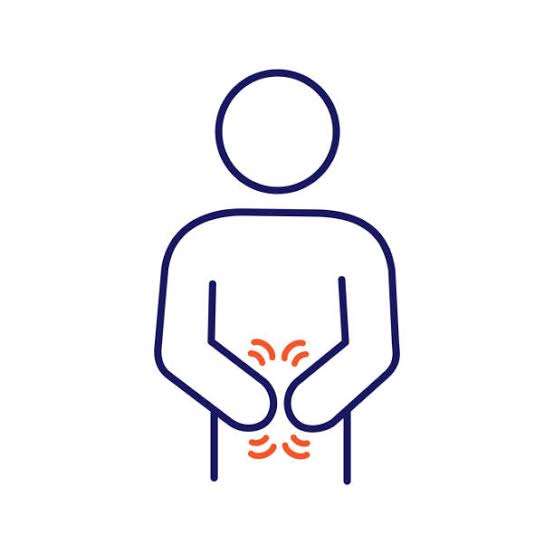
This digestive disorder involves stomach acid flowing back into the esophagus causing irritation. Proper management focuses on symptom relief and preventing complications such as esophageal damage.
- Etiology : Weakening of lower esophageal sphincter muscle allowing acid reflux ; risk factors include obesity , certain foods , smoking .
- Symptoms : Heartburn sensation,sour taste in mouth,chest discomfort after eating.
- Diagnostic evaluation : Primarily clinical diagnosis ; endoscopy performed for persistent or complicated cases.
- Treatment plan : Lifestyle modifications such as avoiding trigger foods , elevating head during sleep ; antacids , proton pump inhibitors prescribed for acid suppression.
Adopting timely therapeutic measures significantly eases discomfort while reducing chances of esophageal inflammation or ulcers developing over time.
CHRONIC OBSTRUCTIVE PULMONARY DISEASE (COPD) MONITORING

COPD is a progressive lung disease characterized by airflow limitation that impacts breathing efficiency. Early diagnosis can improve disease course via intervention strategies aimed at symptom control and exacerbation prevention.
- Risk factors: Long-term smoking exposure is the primary contributor alongside environmental pollutants.
- Clinical features: Persistent cough with sputum production , shortness of breath especially during exertion , wheezing .
- Diagnosis: Spirometry testing assessing lung function confirms airflow obstruction .
- Management includes : Smoking cessation support , bronchodilator inhalers , pulmonary rehabilitation exercises , vaccination against respiratory infections.
- Prognosis : Although COPD is incurable , adherence to treatment improves quality of life and reduces hospitalization rates.
Patients are encouraged to maintain regular assessments which aid early detection of worsening symptoms allowing prompt modifications in therapy.
IRON DEFICIENCY ANEMIA TREATMENT

This type of anemia occurs due to insufficient iron causing reduced red blood cell production. It often results from inadequate dietary intake or chronic blood loss.
- Epidemiology and causes: Nutritional deficiency most common worldwide; other causes include gastrointestinal bleeding or heavy menstruation in women.
- Presents with symptoms like: Fatigue, pallor, shortness of breath on exertion, dizziness in severe cases.
- Diagnostic tools include: Complete blood count showing microcytic hypochromic anemia; serum ferritin confirms iron stores status.
- Treatment options involve: Oral iron supplements combined with dietary advice rich in iron sources; intravenous iron may be considered for intolerant patients or severe cases.
If addressed timely and adequately treated, improvement in symptoms usually appears within few weeks along with normalization of hemoglobin levels over months.
ACUTE UPPER RESPIRATORY TRACT INFECTION
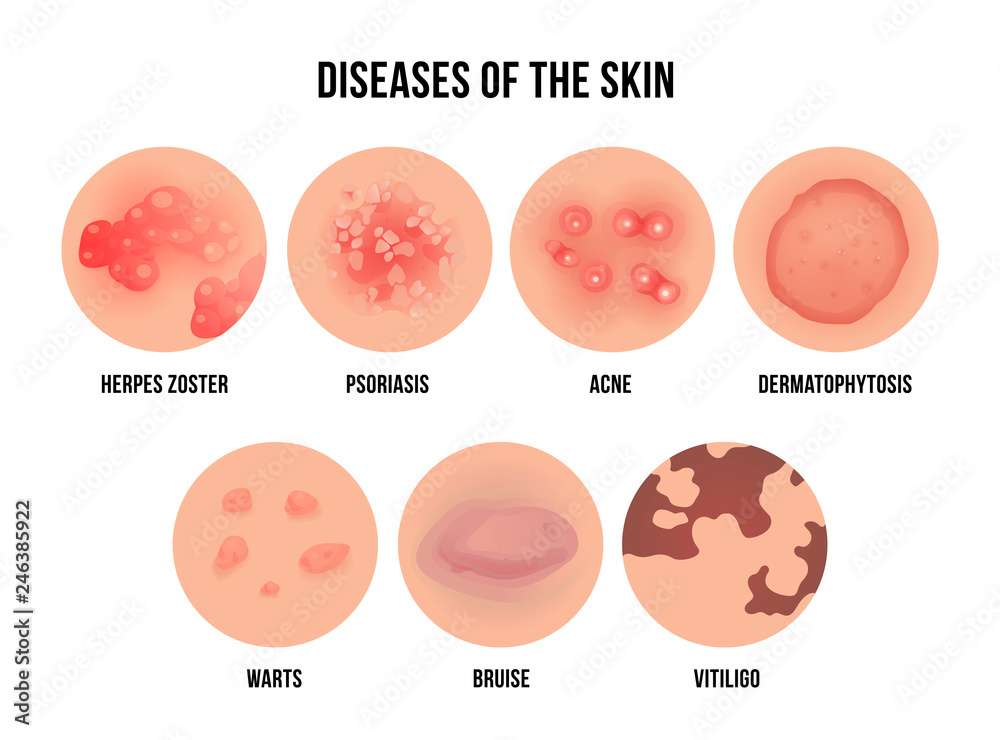
An upper respiratory tract infection affects the nose, throat, and airways commonly caused by viruses. It is typically self-limiting but requires symptomatic care.
- Causative agents: Most often viral infections like common cold viruses; bacterial infections are less common but possible.
- Syndrome features: Symptoms include cough, sore throat, nasal congestion, sneezing, mild fever.
- Diagnosis process: Clinical evaluation primarily; testing is rarely needed unless complications arise.
- Treatment strategies: Supportive care with rest, hydration; use of analgesics/antipyretics for symptom relief; antibiotics only if bacterial infection is proven or highly suspected.
The majority recover fully within one to two weeks without specific interventions; however proper hygiene can prevent spread to others.
TYPE 2 DIABETES MELLITUS CARE

This chronic metabolic disorder affects how your body processes blood sugar. Effective care aims at preventing complications through blood glucose control.
- Underlying factors: Insulin resistance often caused by obesity, sedentary lifestyle, and genetic predisposition.
- Symptoms: Increased thirst, frequent urination, fatigue, blurred vision; sometimes symptoms may be subtle or absent early on.
- Diagnosis methods: Blood tests like fasting blood glucose or HbA1c levels are used for confirmation.
- Treatment modalities: Includes lifestyle modifications such as healthy diet and exercise alongside oral hypoglycemics or insulin therapy as needed.
- Disease monitoring: Regular checkups to monitor sugar levels and prevent organ damage are essential.
Lifelong management with patient education is crucial to maintain quality of life and reduce serious complications like neuropathy or cardiovascular disease.
HYPERTENSION MANAGEMENT
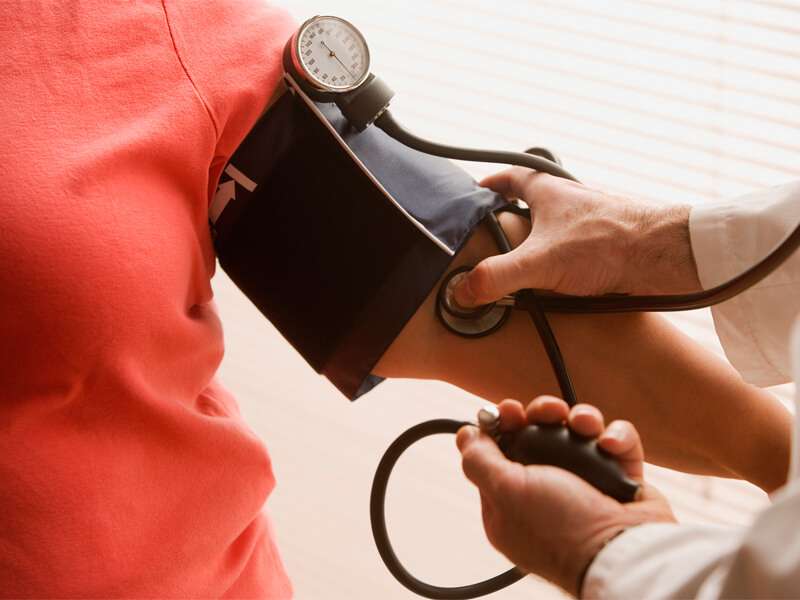
High blood pressure is a common condition that, if left uncontrolled, can lead to serious health problems. Managing hypertension effectively involves lifestyle changes and sometimes medication.
- Causes and risks: Often linked to genetics, poor diet, obesity, stress, and lack of exercise.
- Symptoms and detection: Frequently asymptomatic; diagnosed through regular blood pressure measurements.
- Treatment approaches: Lifestyle adjustments including diet low in salt, increased physical activity, weight control, along with antihypertensive medications when prescribed.
- Monitoring: Regular follow-ups to track blood pressure and adjust treatment as needed.
- Expected outcomes: With proper management, the risk of heart disease, stroke, and kidney damage can be significantly reduced.
Early identification and consistent treatment are key to controlling high blood pressure and maintaining overall cardiovascular health.