
DrAsheesh Kumar
About Me
DrAsheesh Kumar
MBBS
Infectious disease specialists
10 Years Experience
Biography
My Clinic
OPD Hours
| Monday | Morning | 10:00 AM | - | 02:00 PM |
| Evening | 06:00 PM | - | 09:00 PM | |
| Tuesday | Morning | 10:00 AM | - | 02:00 PM |
| Evening | 06:00 PM | - | 09:00 PM | |
| Wednesday | Morning | 10:00 AM | - | 02:00 PM |
| Evening | 06:00 PM | - | 09:00 PM | |
| Thursday | Morning | 10:00 AM | - | 02:00 PM |
| Evening | 06:00 PM | - | 09:00 PM | |
| Friday | Morning | 10:00 AM | - | 02:00 PM |
| Evening | 06:00 PM | - | 09:00 PM | |
| Saturday | Morning | 10:00 AM | - | 02:00 PM |
| Evening | 06:00 PM | - | 09:00 PM | |
| Sunday | Morning | 10:00 AM | - | 02:00 PM |
| Evening | 06:00 PM | - | 09:00 PM |
Treatments
Specialised care and treatments offered
MALARIA DIAGNOSIS AND THERAPY
This parasitic disease transmitted by Anopheles mosquitoes continues to challenge tropical regions globally despite advances in control measures. Prompt identification enables effective clearance preventing complications like cerebral malaria or severe anemia.
- Signs & symptoms: Recurrent episodes of high-grade fever accompanied by chills rigorously alternating with sweating phases alongside malaise characterize clinical presentation;
- Diagnostic tests: Microscopic examination of stained blood smears remains gold standard although rapid diagnostic kits provide faster preliminary results aiding clinical decisions efficiently;
- Treatment regimens: Artemisinin-based combination therapies (ACTs) constitute first-line approach administered per species susceptibility patterns whereas supportive care addresses symptom relief;
- Preventive advice: Use of insecticide-treated nets along with environmental controls constitutes vital complementary steps reducing transmission probabilities broadly within endemic communities;
Comprehensive malaria management integrates timely therapeutic intervention with vigilant preventive strategies crucially sustaining healthcare progress against this infectious threat.
MENINGITIS TREATMENT
Meningitis involves inflammation of the membranes surrounding the brain and spinal cord. This condition requires urgent medical evaluation because it can progress rapidly causing serious neurological damage or death if untreated.
- Causal agents & symptoms:Bacterial meningitis typically presents suddenly with high fever, stiff neck, headache, nausea/vomiting alongside altered mental status; viral meningitis may have milder manifestations but still needs observation.
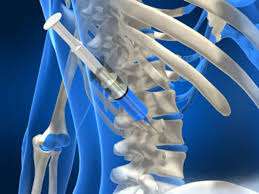
- Lumbar puncture usage:This procedure obtains cerebrospinal fluid enabling differentiation between bacterial versus viral causes crucial for guiding treatment choices accurately.
- Management strategies: Empirical intravenous antibiotics begun promptly pending lab results plus supportive therapies such as fluids ensure stabilization;
- Outcomes & sequelae:When addressed early prognosis improves considerably though some patients might experience neurological deficits requiring rehabilitation services;
Swift recognition combined with immediate treatment initiation substantially reduces mortality risks associated with meningitis across all ages.
HIV/AIDS CLINICAL CARE

The Human Immunodeficiency Virus (HIV) attacks the immune system leading potentially to AIDS if left untreated. Early diagnosis dramatically improves quality of life today due to advancements in therapy.
- Epidemiology & symptoms: Initial infection may be asymptomatic or present flu-like symptoms; chronic infection gradually weakens immunity causing opportunistic infections later on.
- Testing protocols: Confirmatory diagnosis involves antibody/antigen combination assays followed by viral load quantification for disease monitoring purposes.
- Treatment regimen: Antiretroviral therapy (ART) involves combinations of drugs that suppress viral replication effectively when taken consistently as prescribed.
- Lifestyle & follow-up care: Regular health checks minimize complications; counseling supports adherence; safe practices reduce transmission risk further safeguarding community health.
An informed understanding coupled with timely initiation of ART transforms HIV into a manageable chronic condition instead of a fatal disease historically seen decades ago.
DENGUE FEVER MANAGEMENT

Dengue fever is a mosquito-borne viral illness that can cause high fever, severe joint pain, rash, and bleeding tendencies in some cases.
- Clinical features: Sudden onset of fever accompanied by headache behind the eyes, muscle aches, rash appearing after initial fever phase are characteristic symptoms.
- Diagnosis approach: Blood tests detecting dengue virus antigens or antibodies confirm infection; platelet count monitoring is essential during acute phase.
- Treatment considerations: There is no specific antiviral medication; supportive measures including hydration and fever control are key while avoiding medications that increase bleeding risk like NSAIDs.
- Pitfalls to avoid: Warning signs such as severe abdominal pain or persistent vomiting warrant urgent hospital care due to risk of dengue hemorrhagic fever complications.
A proactive symptomatic management strategy significantly reduces morbidity associated with dengue infections while prevention focuses on mosquito control efforts.
TUBERCULOSIS (TB) CARE

Tuberculosis is a contagious infection primarily affecting the lungs but can involve other organs. It remains a significant public health concern worldwide.
- Symptoms and transmission: Persistent cough lasting over two weeks, night sweats, weight loss, and fatigue are common. TB spreads through airborne droplets when an infected person coughs or sneezes.
- Diagnostic methods: Skin tests (Mantoux), blood assays, chest X-rays, sputum analysis for acid-fast bacilli aid in confirming diagnosis.
- Treatment protocol: A prolonged course of multiple antibiotics usually lasting six months or more ensures eradication and prevents resistance development.
- Prognosis: Patients who adhere strictly to medication regimens generally achieve full recovery; incomplete treatment risks relapse or drug-resistant TB strains.
A strong commitment to therapy combined with regular follow-ups is critical for controlling tuberculosis effectively in affected individuals and communities alike.
SEPSIS MANAGEMENT

Sepsis is a life-threatening response to infection that can lead to tissue damage, organ failure, and death. Early recognition and treatment are vital to improve outcomes.
- Symptoms and causes: Common signs include high fever, rapid breathing, increased heart rate, confusion, and low blood pressure. It often arises from bacterial infections such as pneumonia or urinary tract infections.
- Diagnosis: Blood tests including cultures, lactate levels, and imaging studies help pinpoint the source of infection and assess severity.
- Treatment options: Immediate administration of intravenous antibiotics, fluid resuscitation, and supportive care in an intensive care unit are essential components.
- Patient expectations: Close monitoring for improvement or complications is needed; recovery times vary depending on promptness of care and underlying health conditions.
Understanding sepsis helps patients recognize early warning signs and seek emergency medical attention without delay. Effective multidisciplinary management can greatly reduce risks associated with this critical illness.