
DrANKUR Pandey
About Me
DrANKUR Pandey
MBBS
General Physician
10 Years Experience
Biography
My Clinic
OPD Hours
| Monday | Morning | 10:00 AM | - | 02:00 PM |
| Evening | 06:00 PM | - | 09:00 PM | |
| Tuesday | Morning | 10:00 AM | - | 02:00 PM |
| Evening | 06:00 PM | - | 09:00 PM | |
| Wednesday | Morning | 10:00 AM | - | 02:00 PM |
| Evening | 06:00 PM | - | 09:00 PM | |
| Thursday | Morning | 10:00 AM | - | 02:00 PM |
| Evening | 06:00 PM | - | 09:00 PM | |
| Friday | Morning | 10:00 AM | - | 02:00 PM |
| Evening | 06:00 PM | - | 09:00 PM | |
| Saturday | Morning | 10:00 AM | - | 02:00 PM |
| Evening | 06:00 PM | - | 09:00 PM | |
| Sunday | Morning | 10:00 AM | - | 02:00 PM |
| Evening | 06:00 PM | - | 09:00 PM |
Treatments
Specialised care and treatments offered
ANEMIA EVALUATION AND TREATMENT

Anemia occurs when there is a deficiency of red blood cells or hemoglobin leading to decreased oxygen delivery throughout the body. It often presents subtly but requires timely identification for effective correction.
- Spectrum of causes & symptoms:Anemia can stem from nutritional deficiencies (iron, B12), chronic diseases or blood loss. Common signs include fatigue, pallor, shortness of breath on exertion.
OBESITY COUNSELING & MANAGEMENT
An increasing concern worldwide, obesity impacts overall wellness profoundly but can often be improved through targeted interventions. Addressing it early prevents numerous secondary health problems.
- Causative factors: Includes excessive caloric intake combined with sedentary lifestyle; genetic and hormonal imbalances may contribute as well.
- Evolving diagnosis criteria: Body mass index (BMI) measurement serves as the primary tool along with waist circumference evaluation for health risk assessment.
- Treatment modalities: Focus on nutrition counseling emphasizing balanced diets, structured physical activity plans, behavioral therapy techniques;
CHRONIC OBSTRUCTIVE PULMONARY DISEASE (COPD) SUPPORT
COPD is a progressive lung condition that makes breathing difficult over time. Early recognition and management can improve daily functioning significantly.
- Main causes and symptoms: Primarily caused by smoking or long-term exposure to harmful pollutants; symptoms include chronic cough, sputum production, and breathlessness.
- Diagnostic tools: Pulmonary function tests like spirometry help assess lung capacity; imaging may assist in evaluating lung damage.
- Treatment approaches: Includes smoking cessation support, bronchodilator medications, pulmonary rehabilitation exercises, and oxygen therapy if required.
- Lifestyle adjustments: Avoiding respiratory irritants and vaccinations against flu/pneumonia reduce exacerbation risks.
A proactive management plan empowers patients to maintain better respiratory health and limits disease progression effectively.
TYPE 2 DIABETES MELLITUS CARE

This metabolic disorder affects how your body processes glucose, commonly manifesting during adulthood. Proper management is key to preventing complications related to diabetes.
- Symptoms and causes: Symptoms include increased thirst, frequent urination, fatigue; causes combine genetic predisposition with lifestyle factors like obesity.
- Diagnosis methods: Confirmed by fasting blood sugar tests or HbA1c measurements to evaluate long-term glucose control.
- Treatment strategies: Emphasizes dietary modifications, physical activity, oral hypoglycemic agents, and sometimes insulin therapy depending on severity.
- Monitoring needs: Regular blood sugar monitoring is vital for adjusting medications and preventing both acute and chronic complications.
A comprehensive approach tailored to individual needs helps patients achieve good quality of life while minimizing diabetes-related risks.
HYPERTENSION MANAGEMENT
High blood pressure, or hypertension, is a common yet serious health issue requiring ongoing attention. It often has no noticeable symptoms but can lead to severe complications if unmanaged.
- Causes and symptoms: Often caused by lifestyle factors such as diet, stress, or genetics; symptoms are usually absent but may include headaches or dizziness in advanced stages.
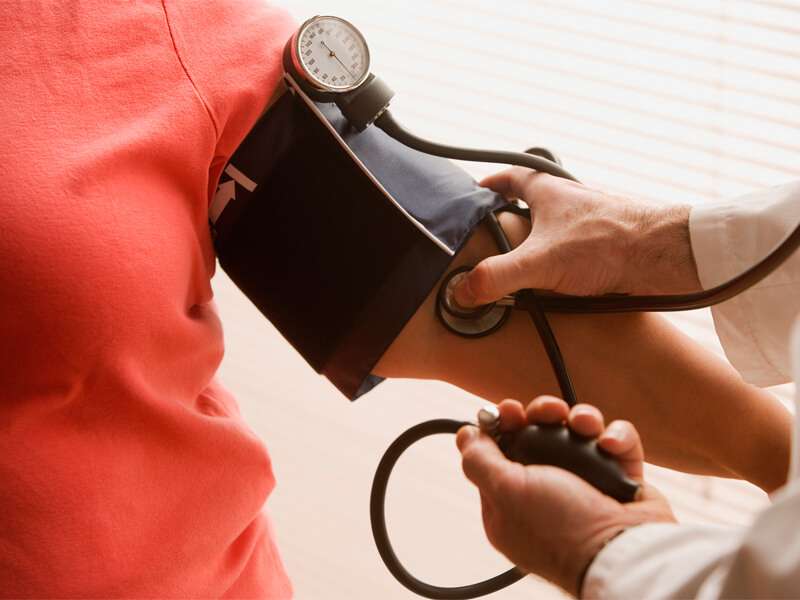
- Diagnosis: Detected through regular blood pressure monitoring using a sphygmomanometer; multiple readings confirm the diagnosis.
- Treatment options: Lifestyle changes including reduced salt intake, regular exercise, weight management, along with prescribed antihypertensive medications when needed.
- Management expectations: Consistent follow-ups are essential to adjust treatment plans and maintain target blood pressure levels.
Managing hypertension effectively reduces risks of heart attacks and strokes and promotes overall cardiovascular health with proper care and adherence.