
Dranil Gaur
About Me
Dranil Gaur
MBBS
Diabetologist
10 Years Experience
Biography
My Clinic
OPD Hours
| Monday | Morning | 10:00 AM | - | 02:00 PM |
| Evening | 06:00 PM | - | 09:00 PM | |
| Tuesday | Morning | 10:00 AM | - | 02:00 PM |
| Evening | 06:00 PM | - | 09:00 PM | |
| Wednesday | Morning | 10:00 AM | - | 02:00 PM |
| Evening | 06:00 PM | - | 09:00 PM | |
| Thursday | Morning | 10:00 AM | - | 02:00 PM |
| Evening | 06:00 PM | - | 09:00 PM | |
| Friday | Morning | 10:00 AM | - | 02:00 PM |
| Evening | 06:00 PM | - | 09:00 PM | |
| Saturday | Morning | 10:00 AM | - | 02:00 PM |
| Evening | 06:00 PM | - | 09:00 PM | |
| Sunday | Morning | 10:00 AM | - | 02:00 PM |
| Evening | 06:00 PM | - | 09:00 PM |
Treatments
Specialised care and treatments offered
DIABETIC KIDNEY DISEASE (NEPHROPATHY)

This complication arises from prolonged uncontrolled diabetes causing gradual damage to kidneys’ filtering units leading towards kidney failure if unmanaged properly over time.
- Main causative elements involve persistent hyperglycemia damaging nephrons reducing filtration capacity;, presenting initially without symptoms but progressing towards swelling, proteinuria, elevated creatinine!,Labs including urine albumin-to-creatinine ratio & estimated glomerular filtration rate aid diagnosis ; treatment prioritizes tight glycemic control,blood pressure regulation(hypertension meds),low protein diets plus avoiding nephrotoxic substances!,Lifesaving early intervention delays kidney damage & prevents dialysis dependence;,Lifestyle recommendations emphasize quitting smoking,a balanced diet,& regular follow-ups enhance outcomes;,,
HYPOGLYCEMIA MANAGEMENT
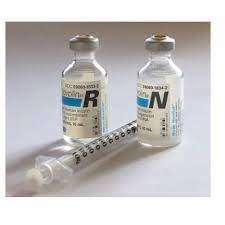
An important aspect of diabetic care involves preventing and treating hypoglycemia—a condition where blood sugar drops too low causing dangerous symptoms if untreated promptly.
- Causal factors & signs: Excessive medication use (especially insulin), delayed meals, intense exercise or alcohol consumption can trigger low glucose levels resulting in sweating, shaking, confusion or even loss of consciousness;Diagnostic checks: Blood glucose measurement below 70 mg/dL confirms hypoglycemia;Immediate management includes intake of fast-acting carbohydrates like fruit juice/sugar tablets followed by longer-lasting carbs;Preventive measures focus on meal planning, medication adjustment by healthcare providers,and patient education;Emergency preparedness such as glucagon kits availability ensures prompt response during severe episodes;
DIABETIC RETINOPATHY
A common diabetes-related complication affecting the eyes due to damage of small blood vessels in the retina. Early detection is vital for preserving vision.
- Causative factors & symptoms: High blood sugar damages retinal vessels causing vision changes like blurriness or floaters; initial stages can be asymptomatic.
- Diagnostic tools: Eye examination including fundus photography or fluorescein angiography helps identify retinal changes early on.
- Treatment options: Controlling blood sugar and blood pressure slows disease progression; laser therapy or intravitreal injections are used for advanced stages.
- Mileage importance of screening: Annual eye check-ups among diabetics are crucial for timely intervention before irreversible vision loss occurs.
Evolving therapies alongside vigilant monitoring provide hope for managing this potentially sight-threatening condition effectively when detected early enough.
DIABETIC NEUROPATHY
This condition refers to nerve damage caused by prolonged high blood sugar levels in diabetic patients. It primarily affects peripheral nerves leading to various symptoms.
- Symptoms/causes: Patients often experience numbness, tingling sensations, burning pain or weakness especially in feet and hands; poor glucose control is a major cause.
- Diagnosis considerations: Clinical evaluation includes neurological examination along with nerve conduction studies if needed.
- Treatment approaches: Tight glucose control slows progression; pain management may involve medications like anticonvulsants or antidepressants; foot care is critical to prevent ulcers.
- Lifestyle measures: Regular exercise enhances nerve function; avoiding alcohol and smoking is recommended.
Catching neuropathy early with appropriate medical care significantly improves symptom relief and prevents severe complications such as infections or amputations.
GESTATIONAL DIABETES
Gestational diabetes develops during pregnancy and affects how your body processes glucose. It requires careful management to protect both mother and baby.
- Symptoms and causes: Often symptomless but risk factors include obesity, previous gestational diabetes, or family history of diabetes.
- Diagnosis: Screening typically occurs between 24-28 weeks of pregnancy using oral glucose tolerance tests.
- Treatment strategies: Emphasizes a healthy diet tailored for pregnancy, regular physical activity, blood sugar monitoring, and occasionally medication or insulin injections if needed.
- Impact on pregnancy: Proper control reduces risks like high birth weight or preterm delivery.
- Post-pregnancy follow-up: Blood sugar usually returns to normal after delivery but requires monitoring as future diabetes risk increases.
A proactive approach helps ensure safety for mother and child while minimizing potential complications related to elevated blood glucose during pregnancy.
TYPE 2 DIABETES MELLITUS
Type 2 diabetes is a chronic condition affecting the way your body metabolizes sugar (glucose). It occurs when the body becomes resistant to insulin or doesn't produce enough of it.
- Symptoms and causes: Common signs include increased thirst, frequent urination, hunger, fatigue, and blurred vision. Risk factors include obesity, sedentary lifestyle, and family history.
- Diagnosis: Blood tests such as fasting blood glucose, HbA1c, and oral glucose tolerance test help confirm the diagnosis.
- Treatment options: Management focuses on lifestyle changes like diet and exercise, oral medications to improve insulin sensitivity or secretion, and sometimes insulin therapy.
- Monitoring: Regular blood sugar monitoring and periodic HbA1c testing are essential to track disease progression.
- Expectations: With proper care, many individuals can maintain good control over blood sugar levels and reduce complications.
The goal is to achieve stable glucose levels to prevent long-term damage to organs while maintaining quality of life through comprehensive management.