
DrAjay Katiyar
About Me
DrAjay Katiyar
MBBS
Hematologists
10 Years Experience
Biography
My Clinic
OPD Hours
| Monday | Morning | 10:00 AM | - | 02:00 PM |
| Evening | 06:00 PM | - | 09:00 PM | |
| Tuesday | Morning | 10:00 AM | - | 02:00 PM |
| Evening | 06:00 PM | - | 09:00 PM | |
| Wednesday | Morning | 10:00 AM | - | 02:00 PM |
| Evening | 06:00 PM | - | 09:00 PM | |
| Thursday | Morning | 10:00 AM | - | 02:00 PM |
| Evening | 06:00 PM | - | 09:00 PM | |
| Friday | Morning | 10:00 AM | - | 02:00 PM |
| Evening | 06:00 PM | - | 09:00 PM | |
| Saturday | Morning | 10:00 AM | - | 02:00 PM |
| Evening | 06:00 PM | - | 09:00 PM | |
| Sunday | Morning | 10:00 AM | - | 02:00 PM |
| Evening | 06:00 PM | - | 09:00 PM |
Treatments
Specialised care and treatments offered
THALASSEMIA
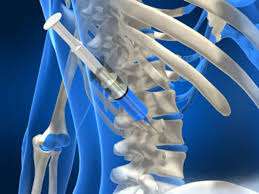
A group of inherited disorders affecting hemoglobin synthesis causes chronic anemia and related complications varying from mild forms to severe transfusion-dependent disease states.
- Clinical features: Pallor, fatigue, delayed growth in children; skeletal deformities from marrow expansion may be observed in untreated cases.
- Diagnostic tests: Hemoglobin electrophoresis identifies abnormal hemoglobin patterns characteristic for alpha or beta thalassemia variants.
- Treatment measures: Regular blood transfusions are required for severe forms; iron chelation therapy prevents overload related organ damage. Bone marrow transplantation may be curative in selected patients.
- Patient counseling includes: Importance of lifelong medical follow-up focusing on managing complications such as cardiomyopathy or endocrine issues resulting from iron excess.
Advances in supportive care continue improving survival rates allowing affected individuals near-normal lifespans with proper adherence to therapies.
LEUKEMIA

This group of malignancies affects white blood cells produced in the bone marrow. Uncontrolled proliferation interferes with normal hematopoiesis causing various systemic symptoms.
- Evident symptoms may include: Fatigue due to anemia, frequent infections from neutropenia, easy bruising or bleeding from thrombocytopenia, bone pain.
- The diagnostic process entails: Complete blood counts revealing abnormal white cell counts; bone marrow biopsy for definitive diagnosis and classification into acute or chronic leukemia types.
- Treatment options vary widely: Chemotherapy regimens tailored by leukemia subtype; targeted therapies may be used alongside supportive care including transfusions or antibiotics when necessary.
Cancer treatment specialists work closely alongside hematologists aiming at remission induction followed by maintenance therapies based on individual patient needs. Early detection improves prognosis considerably.
HEMOPHILIA A

This hereditary clotting disorder results from a deficiency in factor VIII leading to defective coagulation. It predominantly affects males due to its X-linked inheritance pattern.
- Main signs: Spontaneous bleeding into joints or muscles, prolonged bleeding after injuries or surgery.
- Molecular diagnosis techniques: Coagulation profile showing prolonged activated partial thromboplastin time (aPTT) with normal prothrombin time (PT); factor assays confirm factor VIII deficiency.
- Treatment protocols: Replacement therapy with recombinant factor VIII concentrates; prophylactic infusions reduce bleeding episodes frequency and severity.
- Lifestyle considerations: Avoidance of trauma and contact sports; education on early signs of bleeds for timely intervention.
A comprehensive treatment plan can significantly improve life expectancy and quality for those affected by this condition.
IDIOPATHIC THROMBOCYTOPENIC PURPURA

This autoimmune disorder involves an abnormally low platelet count leading to easy bruising and bleeding. It can occur suddenly or develop gradually over time.
- Recognizing symptoms: Bruising without injury, petechiae (small red spots), prolonged bleeding from cuts or gums.
- Diagnosis involves: Complete blood count revealing low platelets; exclusion of other causes through bone marrow examination if needed.
- Treatment modalities: Corticosteroids as first-line therapy; intravenous immunoglobulin (IVIG); in refractory cases splenectomy might be considered.
- Counseling on prognosis: Many patients respond well with treatment but occasional relapses require close clinical supervision.
An individualized approach helps manage symptoms effectively while reducing risks associated with bleeding complications.
SICKLE CELL DISEASE

Sickle cell disease is a genetic blood disorder characterized by abnormally shaped red blood cells that can obstruct blood flow. This leads to episodes of pain and potential organ damage over time.
- Key symptoms: Sudden painful crises, fatigue, swelling in hands/feet, increased infection risk due to spleen dysfunction.
- How diagnosis is made: Hemoglobin electrophoresis confirms presence of sickle hemoglobin; newborn screening programs assist early detection.
- Treatment approaches: Pain management during crises, hydroxyurea medication to reduce frequency of episodes, blood transfusions in severe cases.
- Expected course: Lifelong condition requiring ongoing care; preventative measures include vaccinations and infection control strategies.
Lifelong monitoring and comprehensive care plans are essential for improving quality of life in individuals with this inherited condition.
IRON DEFICIENCY ANEMIA

Iron deficiency anemia occurs when the body lacks enough iron to produce adequate healthy red blood cells, leading to reduced oxygen transport. It is one of the most common types of anemia worldwide.
- Symptoms and causes: Fatigue, weakness, pale skin, shortness of breath; often caused by poor dietary intake, blood loss, or impaired absorption.
- Diagnosis: Blood tests measuring hemoglobin levels, serum ferritin, total iron-binding capacity (TIBC), and peripheral blood smear.
- Treatment options: Iron supplementation orally or intravenously depending on severity; dietary modifications to include iron-rich foods; addressing underlying causes such as bleeding.
- Management and monitoring: Regular follow-up blood tests to assess response; awareness of possible side effects from supplements like gastrointestinal upset.
With appropriate diagnosis and management, iron deficiency anemia is typically reversible. Early treatment improves energy levels and overall health outcomes.