
Dr.Zulfiqar Ahmed
About Me
Dr.Zulfiqar Ahmed
MBBS
General Physician
10 Years Experience
Biography
My Clinic
OPD Hours
| Monday | Morning | 10:00 AM | - | 02:00 PM |
| Evening | 06:00 PM | - | 09:00 PM | |
| Tuesday | Morning | 10:00 AM | - | 02:00 PM |
| Evening | 06:00 PM | - | 09:00 PM | |
| Wednesday | Morning | 10:00 AM | - | 02:00 PM |
| Evening | 06:00 PM | - | 09:00 PM | |
| Thursday | Morning | 10:00 AM | - | 02:00 PM |
| Evening | 06:00 PM | - | 09:00 PM | |
| Friday | Morning | 10:00 AM | - | 02:00 PM |
| Evening | 06:00 PM | - | 09:00 PM | |
| Saturday | Morning | 10:00 AM | - | 02:00 PM |
| Evening | 06:00 PM | - | 09:00 PM | |
| Sunday | Morning | 10:00 AM | - | 02:00 PM |
| Evening | 06:00 PM | - | 09:00 PM |
Treatments
Specialised care and treatments offered
PREVENTIVE HEALTH CHECK-UPS
Routine preventive check-ups play an essential role in maintaining overall wellness by identifying potential health risks before they become significant problems. These examinations guide decisions regarding necessary interventions when required。
- Symptoms/Issues Identified < / strong >: Preventive check-ups often highlight unseen concerns including elevated blood pressure,uncontrolled glucose levels,or abnormal cholesterol readings which might otherwise go unnoticed。
- Causes < / strong >: Many chronic conditions develop silently over years without presenting clear symptoms until complications arise;this makes annual screenings vital for early detection。
- Diagnosis < / strong >: Standard assessments involve physical exams coupled with laboratory tests assessing markers indicative of underlying conditions allowing earlier interventions。
- Treatment Options < / strong >: Depending on findings during check-up consultations,customized recommendations encompassing lifestyle changes、dietary adjustments,or pharmacologic treatments will provide supportive care needed right away! .
Regular preventive healthcare maintains resilience against various diseases aiming towards optimal lifetime wellbeing enabling better quality living standards! .
CARDIOVASCULAR HEALTH SCREENING

Cardiovascular diseases remain a leading cause of global mortality emphasizing the importance of early detection through regular health screenings. Managing cardiovascular health proactively reduces risks significantly over time。
- Symptoms : Many cardiovascular conditions may present asymptomatically until serious events occur; however﹐notable signs could include unexplained fatigue、chest discomfort、or intermittent claudication in limbs。
- Causes : Risk factors include smoking、hypertension、high cholesterol levels,and sedentary lifestyles all contribute majorly towards heart disease development。
- Diagnosis : Blood tests evaluating cholesterol profiles along with ECGs (electrocardiograms) provide crucial insight into coronary artery health及心脏功能。
- Treatment options : Strategies focus on medication adherence combined with lifestyle interventions targeting nutrition,exercise routines alongside regular medical reviews确保有效的风险控制。
Engaging actively in personal cardiovascular health screening enables you proactively manage potential risks before they escalate into more serious issues。
GASTROINTESTINAL DISORDERS TREATMENT

Diverse gastrointestinal disorders can affect digestive processes leading to discomfort if not adequately addressed. Conditions like GERD (gastroesophageal reflux disease) require comprehensive treatment strategies for relief and management.
- Symptoms: Commonly reported symptoms include frequent heartburn, regurgitation of food or sour liquid, difficulty swallowing, and chest pain which may mimic cardiac issues.
- Causes : Factors contributing to GERD include obesity, certain medications that relax the esophageal sphincter, dietary habits including spicy foods or caffeine intake,and genetic predisposition。
- Diagnosis : A thorough medical history review alongside endoscopy procedures provide insight into the esophagus condition while ruling out other potential causes for symptoms。
- Treatment options : A combination of lifestyle modifications (like weight loss), dietary adjustments alongside proton pump inhibitors can alleviate GERD symptoms significantly.
Adopting preventive measures against triggers while following therapeutic regimens enhances patients’ quality of life by alleviating troublesome digestive issues.
RESPIRATORY DISEASE MANAGEMENT
Respiratory diseases encompass a range of conditions affecting breathing abilities. Conditions like asthma and COPD can significantly impact quality of life if not properly managed through informed treatment strategies.
- Symptoms: Symptoms may vary but often include chronic cough, wheezing, breathlessness, and chest tightness depending on the specific condition diagnosed.
- Causes: While some respiratory issues are genetic or environmental ones like pollution or allergens may trigger them; smoking remains a significant contributor to many respiratory diseases。
- Diagnosis: Pulmonary function tests (PFTs) help assess lung capacity; chest X-rays may also be employed for further evaluation when needed。
- Treatment options: Management includes bronchodilators for relief from bronchospasm and corticosteroids for inflammation reduction. Lifestyle choices such as quitting smoking improve outcomes dramatically。
An individualized management plan combined with patient education plays a pivotal role in controlling symptoms associated with respiratory diseases effectively.
DIABETES MELLITUS CARE

Diabetes mellitus refers to a group of diseases that affect how your body uses blood sugar (glucose). This chronic condition requires effective management to prevent complications that can arise from uncontrolled diabetes.
- Symptoms: Common signs include excessive thirst, frequent urination, extreme fatigue, and blurred vision. It's important to recognize these early signs for timely intervention.
- Causes: Type 1 diabetes results from the body’s inability to produce insulin; Type 2 diabetes involves insulin resistance related to lifestyle factors like poor diet and inactivity.
- Diagnosis: Diagnosis typically involves blood tests measuring glucose levels after fasting or post-meal spikes. An HbA1c test may also be conducted for long-term glucose control evaluation.
- Treatment options: Management includes medication such as insulin injections for Type 1 diabetes or oral hypoglycemics for Type 2 diabetes along with lifestyle alterations focused on nutrition and exercise.
- What to expect: Continuous monitoring of blood sugar levels is critical in managing diabetes effectively and avoiding complications such as neuropathy or kidney damage.
A comprehensive care plan empowers patients living with diabetes to lead fulfilling lives while managing their condition effectively.
HYPERTENSION MANAGEMENT
Hypertension, or high blood pressure, is a common condition affecting millions worldwide. It can lead to serious complications if left untreated. Effective management is crucial for maintaining overall health and preventing cardiovascular diseases.
- Symptoms: Often referred to as the silent killer, it may not present noticeable symptoms initially; however, severe cases can cause headaches, shortness of breath, or nosebleeds.
- Causes: Factors like obesity, lack of physical activity, excessive salt intake, and stress can contribute to increased blood pressure levels.
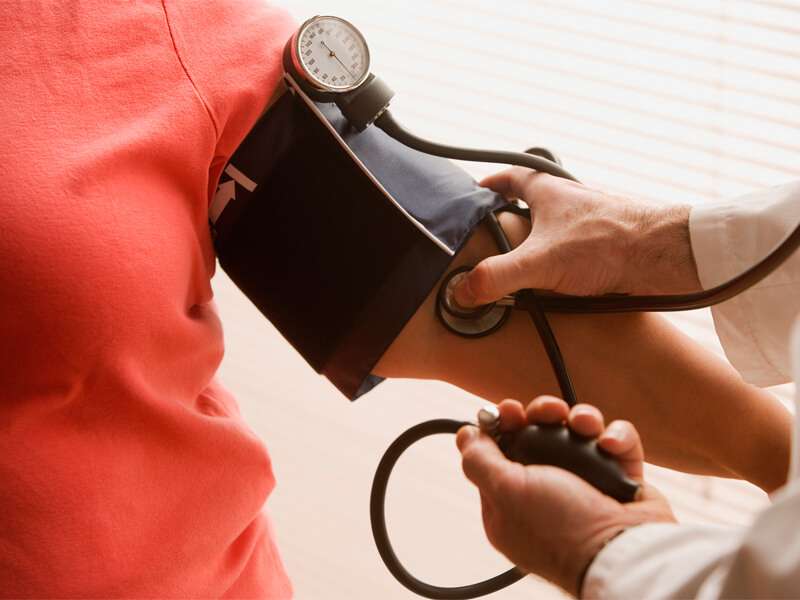
- Diagnosis: Blood pressure is measured using a sphygmomanometer during routine visits. Monitoring over time helps determine the severity of hypertension.
- Treatment options: Lifestyle modifications such as diet changes, regular exercise, and pharmacotherapy are standard approaches in managing hypertension effectively.
- What to expect: Regular follow-ups will be essential to monitor blood pressure levels and adjust treatment plans as necessary.
By adopting a proactive approach toward managing hypertension, individuals can significantly reduce their risk of serious health issues.