
Dr.Vinod Kumar Saini
About Me
Dr.Vinod Kumar Saini
MD
Cardiologist
10 Years Experience
Biography
My Clinic
OPD Hours
| Monday | Morning | 10:00 AM | - | 02:00 PM |
| Evening | 06:00 PM | - | 09:00 PM | |
| Tuesday | Morning | 10:00 AM | - | 02:00 PM |
| Evening | 06:00 PM | - | 09:00 PM | |
| Wednesday | Morning | 10:00 AM | - | 02:00 PM |
| Evening | 06:00 PM | - | 09:00 PM | |
| Thursday | Morning | 10:00 AM | - | 02:00 PM |
| Evening | 06:00 PM | - | 09:00 PM | |
| Friday | Morning | 10:00 AM | - | 02:00 PM |
| Evening | 06:00 PM | - | 09:00 PM | |
| Saturday | Morning | 10:00 AM | - | 02:00 PM |
| Evening | 06:00 PM | - | 09:00 PM | |
| Sunday | Morning | 10:00 AM | - | 02:00 PM |
| Evening | 06:00 PM | - | 09:00 PM |
Treatments
Specialised care and treatments offered
CARDIAC STRESS TEST

A cardiac stress test evaluates how well your heart performs under physical stress. It’s commonly used to diagnose coronary artery disease and assess exercise tolerance while reviewing potential risk factors through exercise metrics specific monitored closely throughout testing session.
PACEMAKER INSERTION
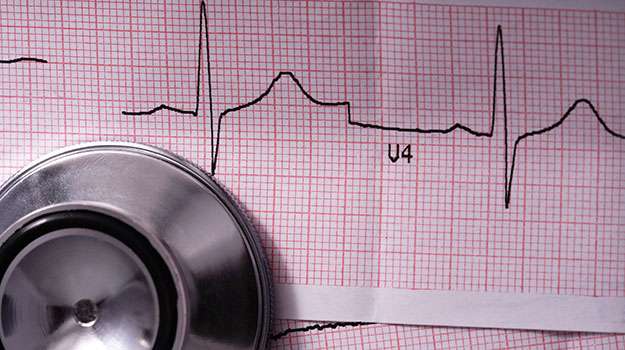
A pacemaker insertion involves placing a small device under the skin that helps regulate abnormal heartbeat rhythms. Indicated primarily for bradycardia (slow heartbeat), this minimally invasive procedure enhances overall cardiovascular health significantly.
- The most common symptoms leading up to pacemaker placement include severe fatigue, dizziness, and fainting spells due to slow heart rate issues impacting circulation levels negatively across organs...
Recovery usually lasts only a few days with precautions taken during initial healing phases. Follow-up appointments ensure proper functionality as well.
TRANSESOPHAGEAL ECHOCARDIOGRAM (TEE)
A transesophageal echocardiogram (TEE) offers clear images of the heart by inserting a small probe down the esophagus. It provides detailed pictures that traditional echocardiograms might miss due to interference from lung tissue or ribs.
- This test is typically indicated when other imaging methods are insufficient for assessing conditions like atrial septal defects or endocarditis.
- The patient receives mild sedation during the procedure for comfort; follow-up care includes monitoring until recovery from anesthesia is complete.
- Your doctor will evaluate images to diagnose various heart issues or assess cardiac function more accurately than non-invasive methods alone can provide.
Tee holds advantages in precision measurements critical for managing certain cardiac conditions effectively while minimizing procedural risks compared to traditional surgery options.
HOLTER MONITORING
Holter monitoring is a non-invasive method used to continuously record the electrical activity of the heart over 24 to 48 hours. This test is particularly useful for identifying irregular heart rhythms that may not appear during a standard ECG.
- This monitoring is often recommended when patients experience sudden palpitations, dizziness, or fainting spells.
- The device records data as you go about your daily activities, providing valuable insights into your heart's function in real-life settings.
- A healthcare professional will analyze the recordings to identify any arrhythmias requiring further management.
- The process has minimal discomfort; electrodes attached to the skin are safe but may cause slight skin irritation in some individuals.
This tool can be key in tailoring effective treatments based on accurate arrhythmia patterns observed during daily activities.
ECHOCARDIOGRAM
An echocardiogram is a vital diagnostic tool that uses ultrasound waves to create images of the heart. It helps visualize heart structures and assess function without any invasive measures.
- Common indications for this test include unexplained shortness of breath, abnormal heart sounds, or symptoms suggesting heart disease.
- The procedure is performed by applying gel on the chest and moving a transducer over it; no sedation is required.
- Echocardiograms help diagnose conditions like valvular heart disease, cardiomyopathy, or congenital abnormalities.
- No significant risks are associated with the procedure, making it safe for patients of all ages.
The results from an echocardiogram provide essential insights that guide treatment decisions effectively.
CORONARY ANGIOPLASTY
Coronary angioplasty is a minimally invasive procedure aimed at treating narrowed or blocked coronary arteries. This condition can lead to chest pain and heart attacks, making timely intervention crucial.
- Symptoms of coronary artery disease typically include chest pain (angina), shortness of breath, and fatigue.
- The diagnosis often involves stress tests, imaging studies, or coronary angiography.
- Treatment may include medications, lifestyle changes, and if necessary, procedures like angioplasty to restore blood flow.
- Expect minimal discomfort and a quick recovery time post-procedure.
- Post-angioplasty care includes monitoring health status and making dietary adjustments.
This procedure can significantly improve quality of life by restoring normal blood flow to the heart muscle.