
Dr.Vaseem Ahmad
About Me
Dr.Vaseem Ahmad
MD
Cardiologist
10 Years Experience
Biography
My Clinic
OPD Hours
| Monday | Morning | 10:00 AM | - | 02:00 PM |
| Evening | 06:00 PM | - | 09:00 PM | |
| Tuesday | Morning | 10:00 AM | - | 02:00 PM |
| Evening | 06:00 PM | - | 09:00 PM | |
| Wednesday | Morning | 10:00 AM | - | 02:00 PM |
| Evening | 06:00 PM | - | 09:00 PM | |
| Thursday | Morning | 10:00 AM | - | 02:00 PM |
| Evening | 06:00 PM | - | 09:00 PM | |
| Friday | Morning | 10:00 AM | - | 02:00 PM |
| Evening | 06:00 PM | - | 09:00 PM | |
| Saturday | Morning | 10:00 AM | - | 02:00 PM |
| Evening | 06:00 PM | - | 09:00 PM | |
| Sunday | Morning | 10:00 AM | - | 02:00 PM |
| Evening | 06:00 PM | - | 09:00 PM |
Treatments
Specialised care and treatments offered
TRANSCATHETER AORTIC VALVE REPLACEMENT (TAVR)

This innovative procedure offers treatment options for patients suffering from severe aortic stenosis who are considered high-risk candidates for open-heart surgery. TAVR utilizes catheters inserted through arteries to place a new valve within the existing one safely!
- Please be aware that common symptoms, such as chest pain and breathlessness during moderate activities indicate possible stenosis issues needing evaluation:
- A thorough diagnosis typically features echocardiographic assessments along with clinical evaluations confirming severity levels!
- Options available include both balloon-expandable valves and self-expanding valves tailored individually per case history — enhancing flexibility when tackling unique scenarios!
- Recovery periods following TAVR treatments are typically shorter than those required after traditional surgeries — many resume daily activities swiftly thereafter!
This sophisticated approach stands out through its durability & efficiency; delivering lasting relief from debilitating symptoms among higher-risk groups!
IMPLANTABLE CARDIOVERTER-DEFIBRILLATOR (ICD) PLACEMENT
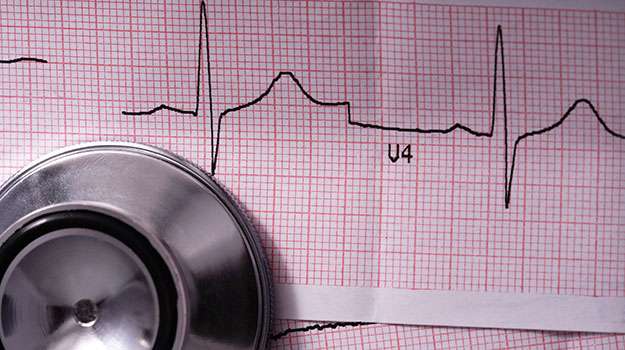
An Implantable Cardioverter-Defibrillator is a device designed to monitor and manage dangerous arrhythmias that could lead to sudden cardiac arrest. It delivers shocks when lethal arrhythmias are detected to restore normal rhythm promptly.
- Patsy experiencing brief loss of consciousness or rapid heartbeat should consult about potential underlying conditions linked with these symptoms.
- An electrophysiological study often aids physicians in making an accurate diagnosis.
- Treatment effectiveness hinges on precise ICD placement under local anesthesia alongside comprehensive pre-operative assessments!
- Caring for an ICD includes regular follow-ups along with lifestyle modifications reinforcing a healthier routine post-implantation—a crucial aspect of care!
This lifesaving technology provides reassurance for individuals at high risk of life-threatening arrhythmias!
ATRIAL SEPTAL DEFECT (ASD) CLOSURE
Atrial Septal Defect is a congenital heart defect characterized by an opening in the wall between the heart’s upper chambers. Closing this defect can significantly improve overall heart function and reduce complications associated with it.
- A patient might experience symptoms like unexplained fatigue, frequent respiratory infections, or palpitations as they age.
- The diagnosis usually involves echocardiography—often supplemented with MRI for complex cases—to visualize the defect accurately.
- Treatment choices include transcatheter closure for small defects or traditional surgery for larger openings—both options are effective in preventing long-term complications.
- Patient expectations: after closure, most patients lead active lives free from their previous limitations within weeks post-procedure!
This corrective approach ensures better health outcomes for those affected by ASD throughout their lifetime.
HEART VALVE REPAIR OR REPLACEMENT
This procedure addresses issues related to heart valves that may be damaged due to various conditions such as rheumatic fever or congenital defects. Repair or replacement helps restore proper blood flow through the heart's chambers.
- The main symptoms might include shortness of breath, fatigue, or episodes of arrhythmia like palpitations.
- A thorough examination including echocardiograms is essential for accurate diagnosis.
- Treatment options vary; some valves can be repaired while others require complete replacement. Surgical techniques have advanced significantly over the years.
- After surgery, follow-up care includes regular check-ups and possible lifestyle changes based on individual recovery progress.
This intervention plays a pivotal role in managing valve dysfunctions safely and effectively.
PERCUTANEOUS CORONARY INTERVENTION (PCI)
Percutaneous Coronary Intervention is a minimally invasive procedure used to treat narrowed coronary arteries. By using a catheter inserted through the skin into an artery, doctors can place a stent to keep the artery open.
- Common symptoms include chest discomfort and fatigue while exercising or exerting oneself.
- The diagnosis typically involves imaging tests such as CT scans or angiography to view blockages in the coronary vessels.
- Treatment can involve lifestyle modifications, medications, and PCI which significantly improves blood flow without major surgery.
- Post-procedure care usually involves medication adjustments and monitoring recovery at home for several days.
This technique effectively alleviates symptoms and enhances quality of life without extensive surgical risks.
CORONARY ARTERY BYPASS GRAFTING (CABG)
Coronary Artery Bypass Grafting is a surgical procedure aimed at improving blood flow to the heart. It is typically recommended for patients with severe coronary artery disease, where the arteries supplying blood to the heart are narrowed or blocked.
- Symptoms of this condition may include chest pain (angina), shortness of breath, and fatigue during physical activity.
- The diagnosis often involves tests such as angiograms, echocardiograms, and stress tests to evaluate the extent of arterial blockage.
- Treatment generally includes lifestyle changes, medication, and if necessary, CABG surgery to create a new route for blood flow.
- Post-surgery, patients can expect a recovery period that may involve cardiac rehabilitation to restore heart function and improve physical fitness.
This intervention aims to alleviate symptoms and reduce risks associated with heart problems by restoring adequate blood supply.