
Dr.Sanjay Kumar Somani
About Me
Dr.Sanjay Kumar Somani
MD
Cardiologist
10 Years Experience
Biography
My Clinic
OPD Hours
| Monday | Morning | 10:00 AM | - | 02:00 PM |
| Evening | 06:00 PM | - | 09:00 PM | |
| Tuesday | Morning | 10:00 AM | - | 02:00 PM |
| Evening | 06:00 PM | - | 09:00 PM | |
| Wednesday | Morning | 10:00 AM | - | 02:00 PM |
| Evening | 06:00 PM | - | 09:00 PM | |
| Thursday | Morning | 10:00 AM | - | 02:00 PM |
| Evening | 06:00 PM | - | 09:00 PM | |
| Friday | Morning | 10:00 AM | - | 02:00 PM |
| Evening | 06:00 PM | - | 09:00 PM | |
| Saturday | Morning | 10:00 AM | - | 02:00 PM |
| Evening | 06:00 PM | - | 09:00 PM | |
| Sunday | Morning | 10:00 AM | - | 02:00 PM |
| Evening | 06:00 PM | - | 09:00 PM |
Treatments
Specialised care and treatments offered
CORONARY ARTERY DISEASE SCREENING

Catching coronary artery disease (CAD) early through screening is critical. CAD develops when plaque builds up in the coronary arteries that supply blood to the heart muscle itself!
- No symptoms appear initially; however unexpected chest pain or shortness of breath signify potential deterioration requiring immediate attention!
ATRIAL FIBRILLATION MANAGEMENT
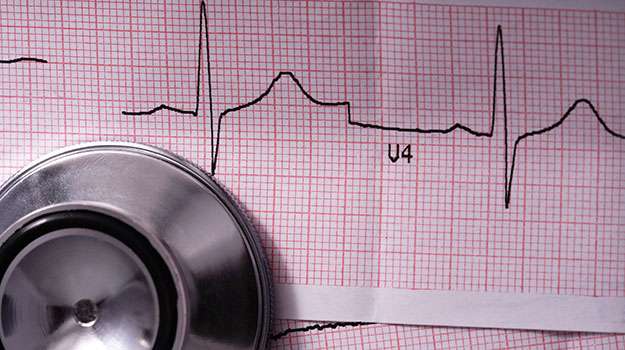
Atrial fibrillation (AFib) is a common irregular heartbeat that can lead to complications if not managed effectively. Understanding this condition is vital for any patient experiencing irregular pulse patterns or palpitations.
- Ineffective contraction of the atria may cause symptoms such as fatigue or shortness of breath during exertion; some patients may experience no symptoms at all yet remain at increased stroke risk>.
HEART-HEALTHY LIFESTYLE COUNSELING
Counseling focused on establishing a heart-healthy lifestyle can significantly reduce cardiovascular risks. Adopting better habits plays an integral role in preventing heart-related diseases.
- Counseling sessions cover topics like nutrition, physical activity recommendations, weight management, and stress reduction techniques tailored to individual needs.
- Your healthcare provider will assess personal risk factors like family history while recommending effective dietary changes such as increasing fruit and vegetable intake while reducing saturated fats.
- Pursuing routine physical activity—aiming for at least 150 minutes per week—can bolster cardiovascular health immensely.
- Coping mechanisms for stress management might include mindfulness strategies or exercises that promote mental well-being alongside physical fitness.
Nurturing a heart-friendly lifestyle often leads to improved overall health, enhancing both quality of life and longevity through sustained effort over time.
ELECTROCARDIOGRAM (ECG)
An electrocardiogram (ECG)) is a vital diagnostic tool that records the electrical activity of your heart. It helps identify various cardiac conditions by providing information about heart rhythms and size.
- This non-invasive procedure is quick, usually taking only a few minutes, where electrodes are placed on your skin to capture data.
- An ECG can reveal abnormal rhythms (arrhythmias), previous heart attacks, or ongoing issues such as ischemia.
- If abnormalities are found in an ECG reading, further testing may be required for accurate diagnosis and management strategies.
- The test is generally safe with minimal risks involved—many patients report feeling no discomfort at all during the process.
An ECG serves not only in diagnosing issues but also in monitoring existing conditions over time to ensure comprehensive care.
CHOLESTEROL SCREENING
Regular cholesterol screenings are essential for assessing heart health. Elevated cholesterol levels can increase the risk of heart disease, but they often present no clear signs.
- A typical screening involves a simple blood test that measures levels of LDL (bad cholesterol) and HDL (good cholesterol).
- A family history of heart disease or personal risk factors such as obesity or smoking elevate the importance of these screenings.
- If high cholesterol is detected, dietary modifications and medications may be advised to bring levels back into a healthy range.
- Your doctor will likely recommend retesting every 4-6 years for adults, more frequently if you have higher risk factors.
Awareness through regular screening can empower you to take proactive steps towards better cardiovascular health.
HYPERTENSION MANAGEMENT
Managing hypertension is crucial to preventing serious cardiovascular issues. This condition, often referred to as high blood pressure, can lead to heart disease and stroke if left untreated.
- The primary symptom may be headaches or dizziness, though many individuals experience no symptoms at all.
- Diagnosis typically involves regular blood pressure checks and may incorporate additional tests such as blood tests or ECGs.
- Treatment options include lifestyle changes like diet and exercise, as well as medications that help lower blood pressure levels.
- Ongoing management typically involves routine follow-ups to monitor progress and adjust treatment plans as necessary.
- Adopting a healthy lifestyle can significantly improve outcomes and reduce the risk of complications.
Early intervention is key; managing hypertension effectively can enhance your quality of life and longevity.