
Dr.Nishant Singh
About Me
Dr.Nishant Singh
MS
General Surgeons
10 Years Experience
Biography
My Clinic
OPD Hours
| Monday | Morning | 10:00 AM | - | 02:00 PM |
| Evening | 06:00 PM | - | 09:00 PM | |
| Tuesday | Morning | 10:00 AM | - | 02:00 PM |
| Evening | 06:00 PM | - | 09:00 PM | |
| Wednesday | Morning | 10:00 AM | - | 02:00 PM |
| Evening | 06:00 PM | - | 09:00 PM | |
| Thursday | Morning | 10:00 AM | - | 02:00 PM |
| Evening | 06:00 PM | - | 09:00 PM | |
| Friday | Morning | 10:00 AM | - | 02:00 PM |
| Evening | 06:00 PM | - | 09:00 PM | |
| Saturday | Morning | 10:00 AM | - | 02:00 PM |
| Evening | 06:00 PM | - | 09:00 PM | |
| Sunday | Morning | 10:00 AM | - | 02:00 PM |
| Evening | 06:00 PM | - | 09:00 PM |
Treatments
Specialised care and treatments offered
COLONOSCOPY PROCEDURE
A colonoscopy is an essential screening tool allowing direct visualization of the colon's interior to identify abnormalities including polyps and cancerous lesions early on. Regular screenings are crucial for maintaining colorectal health especially after age 50!
LAPAROSCOPIC SURGERY

Laparoscopic surgery represents a minimally invasive technique where surgeons perform procedures using small incisions rather than traditional large cuts. This method allows faster recovery times and reduced postoperative discomfort for patients.
- Benefits: This procedure minimizes scarring while providing excellent visibility through camera-assisted techniques;
- Common Applications: It’s frequently applied in gallbladder removal, hernia repairs among others;
- Diagnostic Use: Laparoscopy can also assist in diagnosing conditions like endometriosis;
- Recovery Expectations: Post-operative recovery tends to be quicker compared with conventional approaches due to reduced trauma;
For various surgical interventions tailored approach necessary depending upon patient’s specific requirements enhances outcomes significantly.
BOWEL OBSTRUCTION MANAGEMENT

A bowel obstruction occurs when there is a blockage preventing food or stool from passing through the intestines. This condition can lead to severe complications if not addressed promptly.
- Causative Factors: Common causes include adhesions from previous surgeries, hernias, or tumors that compress intestinal pathways.
- Disease Indicators: Symptoms generally involve cramping pain, vomiting, inability to pass gas or stool, indicating immediate evaluation
The diagnosis involves imaging studies such as X-rays or CT scans to locate the obstruction accurately;
- Treatment Approaches: Non-surgical options may involve hydration and decompression via nasogastric tubes; however surgery might be necessary for complete resolution.
- Pain Management & Supportive Care: Post-treatment care focuses on recovery with dietary modifications as needed based on individual circumstances.
Timely assessment by a specialist helps minimize risks associated with bowel obstructions effectively.
APPENDICITIS TREATMENT
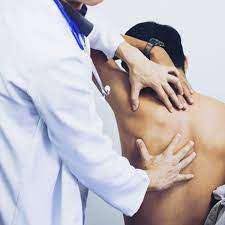
Appendicitis involves inflammation of the appendix which can lead to serious complications if left untreated. Early recognition of symptoms is crucial for effective management.
- Main Symptoms: Typical symptoms include sudden abdominal pain that often starts near the navel and moves rightward; fever and gastrointestinal upset may also occur.
- Diagnostic Methods: Physicians rely on clinical examination combined with imaging techniques like ultrasound or CT scan for confirmation.
- Surgical Intervention: Appendectomy is the definitive treatment—removing the inflamed appendix to prevent rupture which could lead to peritonitis.
- Postoperative Care: Recovery usually takes about a week; patients should follow up for any risks of infection or complications post-surgery.
If you suspect appendicitis, seek immediate medical attention for timely intervention.
GALLBLADDER REMOVAL (CHOLECYSTECTOMY)
The gallbladder holds bile that helps digest fats. Gallstones can form inside this organ, leading to severe abdominal pain and other digestive issues.
- Symptoms: Patients often experience sharp pain in the upper right abdomen, nausea, and bloating following meals.
- Diagnosis: Imaging tests such as ultrasound or CT scans are used for accurate diagnosis of gallstones or inflammation.
- Treatment Approach: The primary treatment is laparoscopic cholecystectomy, where the gallbladder is removed through small incisions.
- Recovery Expectations: Most patients recover quickly post-surgery with minimal hospital stay; adherence to diet changes might be recommended afterward.
A thorough evaluation will help determine the best approach tailored to individual needs.
HERNIA REPAIR
A hernia occurs when an internal organ protrudes through a weak area in the muscle wall. This can happen in various locations, most commonly in the abdomen. Symptoms may include pain, bulging, and discomfort, particularly when bending or lifting.
- Symptoms and Causes: A visible bulge and pain are common signs. Factors like obesity, heavy lifting, and chronic coughing can lead to hernias.
- Diagnosis: Diagnosis is typically made through a physical examination; imaging tests like ultrasounds may be required.
- Treatment Options: Surgical repair is the standard treatment method, which can be performed via open surgery or laparoscopically.
- Expectations: Recovery time varies; however, most patients resume normal activities within weeks of surgery.
Consultation with a specialist is essential for proper diagnosis and personalized treatment planning.