
Dr.Mirdul
About Me
Dr.Mirdul
MBBS
General Physician
10 Years Experience
Biography
My Clinic
OPD Hours
| Monday | Morning | 10:00 AM | - | 02:00 PM |
| Evening | 06:00 PM | - | 09:00 PM | |
| Tuesday | Morning | 10:00 AM | - | 02:00 PM |
| Evening | 06:00 PM | - | 09:00 PM | |
| Wednesday | Morning | 10:00 AM | - | 02:00 PM |
| Evening | 06:00 PM | - | 09:00 PM | |
| Thursday | Morning | 10:00 AM | - | 02:00 PM |
| Evening | 06:00 PM | - | 09:00 PM | |
| Friday | Morning | 10:00 AM | - | 02:00 PM |
| Evening | 06:00 PM | - | 09:00 PM | |
| Saturday | Morning | 10:00 AM | - | 02:00 PM |
| Evening | 06:00 PM | - | 09:00 PM | |
| Sunday | Morning | 10:00 AM | - | 02:00 PM |
| Evening | 06:00 PM | - | 09:00 PM |
Treatments
Specialised care and treatments offered
GASTROESOPHAGEAL REFLUX DISEASE (GERD) TREATMENT
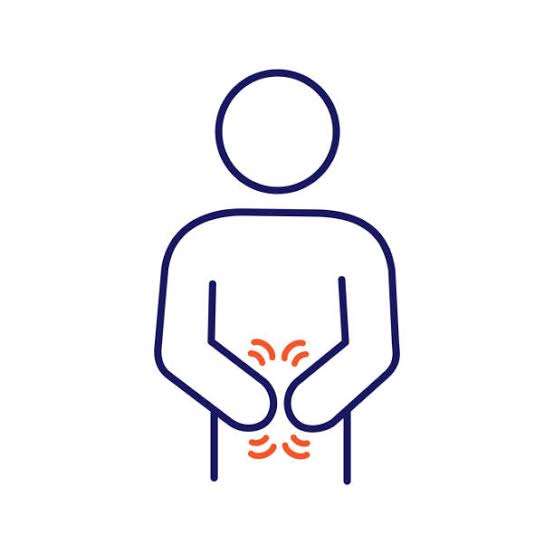
GERD is a digestive disorder where stomach acid frequently flows back into the tube connecting your mouth and stomach (esophagus). This backwash (acid reflux) can irritate the lining of your esophagus leading one towards a myriad of uncomfortable sensations requiring attention promptly.
- Symptoms often manifest as heartburn after eating complicated meals coupled with regurgitation which creates sour taste occasionally felt throughout daily activities undertaken back home somewhere amidst work schedules leading inevitably toward greater discomfort especially following late-night meals consumed recklessly whilst busy catching up!
- Diagnosis entails thorough evaluation including endoscopic procedures allowing visualization directly assessing underlying structures contributing substantially towards providing sound guidance refined further down thereafter collectively achieving better outcomes overall!
Appropriate lifestyle modifications paired with prescription medications specifically targeting acid suppression prove highly effective at relieving daytime distressing episodes paving way toward improved quality living ahead over time consistently experienced within practical limits endured!
PREVENTIVE HEALTH SCREENINGS

The significance of preventive health screenings cannot be understated as they play a crucial role in identifying potential health issues before they become serious. Regular check-ups help maintain overall well-being through early intervention strategies tailored for different age groups and risk factors.
- Common screenings may include cholesterol levels checks, glucose screenings for diabetes risk assessment, cancer screening guidelines which vary by gender and age group respectively based on national protocols.
- The process typically involves discussions regarding personal/family medical history followed by laboratory tests where necessary at periodic intervals recommended by your provider's practice guidelines according to individual needs set forth during consultation visits;
This proactive approach empowers individuals towards healthier lifestyles backed by concrete data showcasing progress alongside results from follow-up assessments once screening recommendations are adhered diligently over time ahead!
>ALLERGY MANAGEMENT
Allergies occur when the immune system reacts abnormally to substances in the environment. Common allergens include pollen, pet dander, dust mites, and certain foods. Recognizing allergens is key to effective treatment every day.
- The primary symptoms may entail sneezing, itching eyes/nose/throat, skin rashes, or more severe reactions like anaphylaxis in some cases.
- An accurate diagnosis typically involves allergy testing through skin tests or specific IgE blood tests conducted by your healthcare provider.
- Treatment generally includes avoidance strategies combined with antihistamines or corticosteroids; severe allergies may require an epinephrine auto-injector for emergencies.
- An ongoing discussion regarding triggers helps in tailoring individual management plans effectively over time.
This proactive approach enables patients to live comfortably with allergies while minimizing exposure risks wherever possible.
RESPIRATORY INFECTIONS TREATMENT
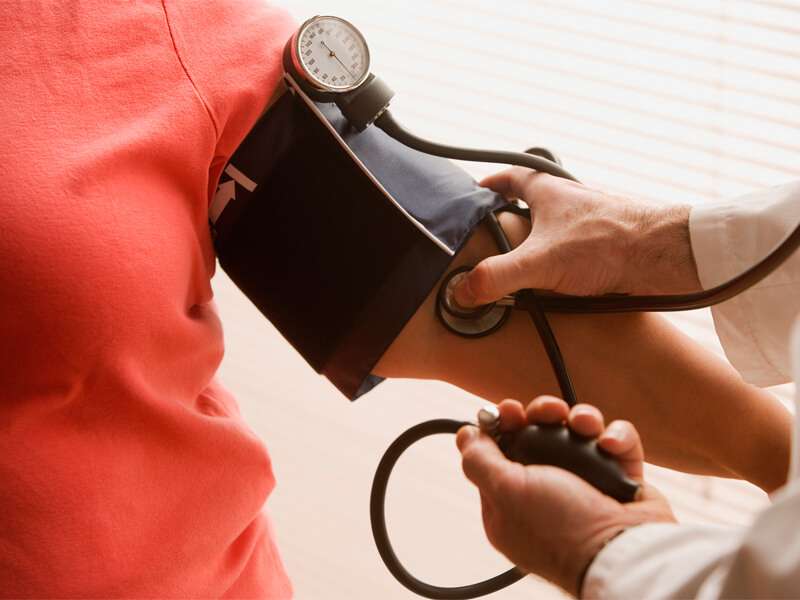
Respiratory infections are common ailments affecting the airways and lungs caused by various pathogens. Understanding these infections helps in effective management and recovery.
- Symptoms often include a cough, chest discomfort, fever, or difficulty breathing depending on the severity of the infection.
- Your healthcare provider will diagnose this condition through physical examinations and might recommend imaging studies like X-rays if pneumonia is suspected.
- Treatment varies based on whether the infection is viral or bacterial; antibiotics may be prescribed for bacterial infections while supportive care suffices for viral cases.
- It's vital to stay hydrated and rest adequately during recovery while monitoring symptoms closely for any worsening signs.
Most respiratory infections resolve with proper care but awareness about symptoms can enhance recovery speed significantly.
DIABETES SCREENING AND MANAGEMENT
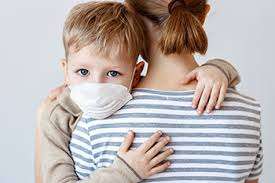
Diabetes is a metabolic disorder characterized by high blood sugar levels due to insulin resistance or inadequate insulin production. Early identification is crucial to preventing severe complications related to this chronic condition.
- A patient may notice symptoms such as increased thirst, frequent urination, fatigue, or blurred vision.
- Diagnosis usually involves blood tests that measure glucose levels and may also include an HbA1c test for long-term control assessment.
- Treatment typically encompasses dietary changes, physical activity, glucose monitoring, and possibly medications or insulin therapy depending on the type of diabetes.
- Persistent management allows individuals to lead healthy lives while minimizing the risk of complications like neuropathy or cardiovascular disease.
Continued education on managing diabetes empowers patients to take charge of their health effectively.
HYPERTENSION MANAGEMENT
Hypertension, commonly known as high blood pressure, is a chronic condition that can lead to serious health issues if left unmanaged. It often develops over many years and can go unnoticed until significant complications arise.
- Symptoms may include headaches, shortness of breath, or nosebleeds, though many individuals experience no symptoms at all.
- Diagnosis typically involves regular blood pressure monitoring and may require additional tests to rule out secondary causes.
- Treatment options usually include lifestyle changes such as diet modification and exercise, along with medications like diuretics or ACE inhibitors.
- Regular follow-up appointments are critical to monitor blood pressure levels and adjust treatment as necessary.
- Patients can expect improved health outcomes with effective management of their blood pressure.
Overall, early detection and consistent management can greatly reduce the risks associated with hypertension.