
Dr.Mahesh Goel
About Me
Dr.Mahesh Goel
MD
Dermatologist
10 Years Experience
Biography
My Clinic
OPD Hours
| Monday | Morning | 10:00 AM | - | 02:00 PM |
| Evening | 06:00 PM | - | 09:00 PM | |
| Tuesday | Morning | 10:00 AM | - | 02:00 PM |
| Evening | 06:00 PM | - | 09:00 PM | |
| Wednesday | Morning | 10:00 AM | - | 02:00 PM |
| Evening | 06:00 PM | - | 09:00 PM | |
| Thursday | Morning | 10:00 AM | - | 02:00 PM |
| Evening | 06:00 PM | - | 09:00 PM | |
| Friday | Morning | 10:00 AM | - | 02:00 PM |
| Evening | 06:00 PM | - | 09:00 PM | |
| Saturday | Morning | 10:00 AM | - | 02:00 PM |
| Evening | 06:00 PM | - | 09:00 PM | |
| Sunday | Morning | 10:00 AM | - | 02:00 PM |
| Evening | 06:00 PM | - | 09:00 PM |
Treatments
Specialised care and treatments offered
SKIN INFECTIONS
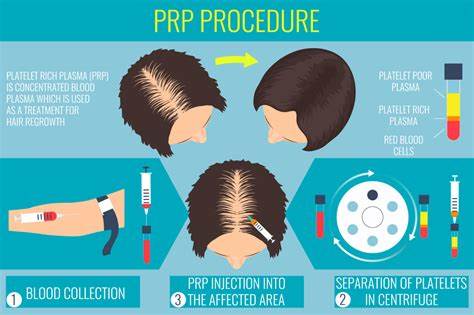
Certain types of infections can affect the skin's integrity and function. These infections range from bacterial impetigo to fungal conditions which require careful attention for proper treatment outcomes.
- Symptoms may include redness, warmth around an infected area along with swelling or pus formation indicating possible infection.
- Diagnosis usually involves clinical evaluation alongside laboratory tests such as cultures where required for definitive identification.
- Common treatments entail antibiotics or antifungal medications tailored specifically towards types observed via diagnostic findings.
- Furthermore maintaining good hygiene practices aids in reducing recurrence probabilities outside directed treatments as well.
Prompt intervention leads to effective healing pathways from these conditions while safeguarding overall health standards throughout recuperation periods likewise too!
HIVES (URTICARIA)
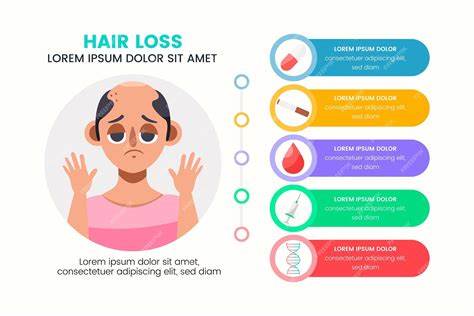
Hives are raised welts on the skin that can appear suddenly due to various triggers like allergens or infections. They are often itchy and vary in size from small spots to large areas of swelling on the body.
- The key symptom, jaundice-red welts constantly change in shape or location over time without leaving scars after they fade away.
- A thorough medical history helps identify potential environmental triggers for an accurate diagnosis .
- Management may involve antihistamines or corticosteroids based on severity; chronic cases might need more advanced interventions.
- In most cases, hives resolve spontaneously within hours to days but monitoring is essential.
While typically not serious if managed appropriately, persistent hives may require further evaluation.
CONTACT DERMATITIS
Contact dermatitis occurs when the skin comes into contact with an irritant or allergen leading to inflammation. It manifests commonly in day-to-day activities when exposed to certain substances.
- Main symptoms include redness, itching, swelling, and blistering depending on severity of exposure.
- A precise diagnosis is established via examination of affected areas along with identification of potential allergens or irritants during consultation.
- Treatment includes avoidance of causative agents combined with topical corticosteroids for symptom relief as needed.
This type of dermatitis improves significantly once exposure has ceased and proper care is taken during flare-ups.
PSORIASIS
Psoriasis is a chronic autoimmune condition that speeds up the growth cycle of skin cells leading to thick silvery scales and red patches. It often has a visible impact on patients' lives due to its appearance.
- The most common symptoms are raised red plaques covered with thick silver-white scales.
- A healthcare provider typically makes the diagnosis through physical examination and patient history; sometimes a biopsy may be needed.
- Treatment varies from topical treatments to systemic medications aimed at reducing inflammation and slowing down cell turnover.
- Psycho-social support is also vital for coping with this chronic disease's emotional impact.
This condition requires ongoing management but can be successfully controlled with modern therapies available today.
ECZEMA
Eczema is an inflammatory skin condition characterized by red, itchy patches that can be chronic and recurrent. This condition often affects the quality of life for many patients.
- The primary symptoms include dry skin, intense itching, and flaking or scaling.
- A thorough diagnosis typically involves medical history review and visual inspection of affected areas.
- Management strategies range from moisturizers to topical steroids for symptom relief.
- Avoiding known triggers such as allergens can help minimize flare-ups.
- Patients should expect to engage in routine care to manage their symptoms effectively.
With appropriate treatment plans, many achieve significant control over their eczema symptoms.
ACNE
Acne is a common skin condition affecting many individuals, particularly during adolescence. It occurs when hair follicles become clogged with oil and dead skin cells.
- Symptoms may include whiteheads, blackheads, pimples, and cysts on the skin.
- The diagnosis is usually made through a physical examination of the skin, possibly supplemented by patient history.
- Treatment options include topical retinoids, antibiotics, or hormonal therapies, depending on severity.
- Lifestyle changes such as a balanced diet and proper skincare can also aid in management.
- Patients can expect gradual improvement with consistent treatment adherence.
Effective management of acne can significantly improve both skin appearance and self-esteem.