
Dr.Mahesh Goel clinic
About Me
Dr.Mahesh Goel clinic
MBBS
General Physician
10 Years Experience
Biography
My Clinic
OPD Hours
| Monday | Morning | 10:00 AM | - | 02:00 PM |
| Evening | 06:00 PM | - | 09:00 PM | |
| Tuesday | Morning | 10:00 AM | - | 02:00 PM |
| Evening | 06:00 PM | - | 09:00 PM | |
| Wednesday | Morning | 10:00 AM | - | 02:00 PM |
| Evening | 06:00 PM | - | 09:00 PM | |
| Thursday | Morning | 10:00 AM | - | 02:00 PM |
| Evening | 06:00 PM | - | 09:00 PM | |
| Friday | Morning | 10:00 AM | - | 02:00 PM |
| Evening | 06:00 PM | - | 09:00 PM | |
| Saturday | Morning | 10:00 AM | - | 02:00 PM |
| Evening | 06:00 PM | - | 09:00 PM | |
| Sunday | Morning | 10:00 AM | - | 02:00 PM |
| Evening | 06:00 PM | - | 09:00 PM |
Treatments
Specialised care and treatments offered
PREVENTIVE VACCINATIONS
The administration of vaccines serves as one of the cornerstones of preventive medicine designed specifically to bolster immunity against various infectious diseases throughout life stages beginning from childhood well into adulthood .
- Symptoms/Causes: No immediate symptoms post-vaccination; adverse reactions could occur (e.g., mild fever) reflecting normal immune responses developing antibodies against specific pathogens upon exposure;
- Diagnosis: Reviewing immunization records alongside discussing potential eligibility based on age group/general health assists planning relevant vaccination schedules effectively ensuring protective measures adhered;
- Treatment/Management: Vaccines recommended vary across different ages necessitating periodic revaccination (e.g., flu shots annually) ensuring staying updated immunologically thereby guarding public/workplace environments alongside personal safety!;
Preventive vaccinations save lives resulting extensive career-long insights shaped through collective efforts shared enhancing community protection through enhanced immunity prevailing across populations protecting generations ahead!
ACUTE RESPIRATORY INFECTIONS

A range of acute respiratory infections commonly affects the upper respiratory tract leading to symptoms that can cause discomfort but are often treatable with proper care. Understanding these infections helps in effective management strategies.
- Symptoms/Causes: Symptoms typically include coughing, sore throat, runny nose, and fever caused by viral pathogens more often than bacterial ones which may require antibiotics if diagnosed correctly.
- Diagnosis: A medical history review combined with physical examinations aids in evaluating symptoms while sometimes requiring throat swabs or imaging studies in complicated cases;
- Treatment/Management: Most cases resolve with rest & symptomatic relief like acetaminophen; however persistent cases could necessitate further investigations & possible antibiotic therapy;
Timely consultation allows clarification around effective treatments tailored suitably according patient’s unique presentations allowing smoother recoveries
ANNUAL WELLNESS EXAMINATION

An annual wellness examination is integral for preventive healthcare. It allows for comprehensive evaluations of an individual's overall health status while identifying any potential health issues early on.
- Symptoms/Causes: Many patients come without complaints; however, underlying conditions might exist that require attention regardless of current health status.
- Diagnosis: The examination usually includes history taking, physical assessment, necessary lab tests based on age/gender/risk factors, and discussion about preventative services needed such as vaccinations or screenings.
- Treatment/Management: Recommendations will vary widely depending on findings from tests which might suggest dietary improvements or initiation of specific screenings based on age-related risks.
This proactive approach ensures that any emerging health concerns are detected early, facilitating timely intervention when needed.
CHOLESTEROL SCREENING
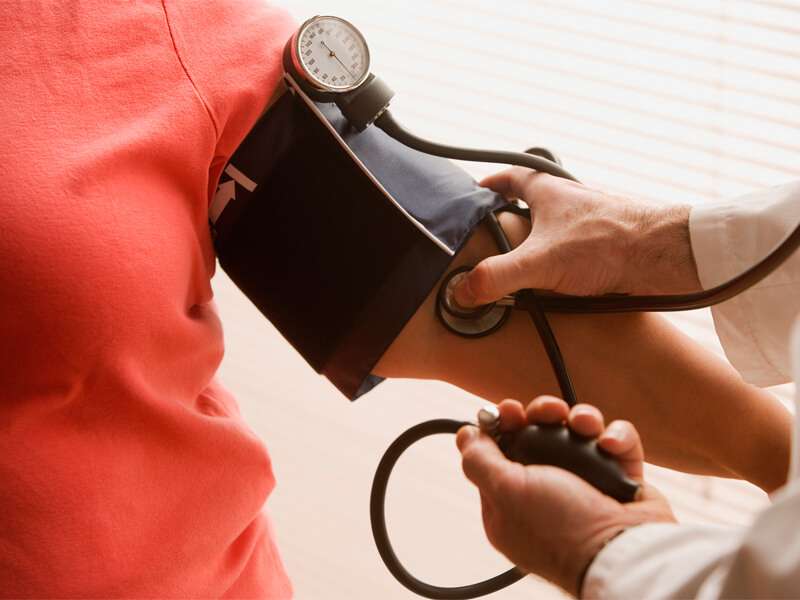
Elevated cholesterol levels can lead to cardiovascular diseases if not identified early. Routine cholesterol screenings help assess risk factors for heart health.
- Symptoms/Causes: High cholesterol usually does not produce symptoms but is influenced by diet, genetics, and lifestyle choices such as smoking.
- Diagnosis: A lipid panel test measures different types of cholesterol in your blood. Fasting may be required prior to the test for accurate results.
- Treatment/Management: Approaches include lifestyle changes like adopting a heart-healthy diet low in saturated fats and increasing exercise; medications may also be recommended to lower cholesterol levels.
- What to Expect: Regular monitoring will allow for tailored treatment plans based on individual cholesterol profiles and risk assessments.
Sustained attention to cholesterol levels contributes significantly to preventing heart disease and maintaining overall well-being.
DIABETES SCREENING AND MANAGEMENT
Diabetes is a metabolic disorder characterized by high blood sugar levels due to insulin resistance or deficiency. Early detection through screening can prevent serious complications.
- Symptoms/Causes: Common symptoms include excessive thirst, frequent urination, and fatigue. Risk factors encompass obesity, inactivity, and family history.
- Diagnosis: Blood tests such as fasting glucose or A1C tests are utilized to determine glucose levels over time.
- Treatment/Management: Management typically involves lifestyle changes including diet modification and increased physical activity along with possible medication like insulin or metformin.
- What to Expect: Regular monitoring of blood sugar levels and ongoing education about managing diabetes will be important for long-term health.
Taking proactive steps in diabetes management can significantly improve quality of life and minimize health risks associated with the condition.
HYPERTENSION MANAGEMENT
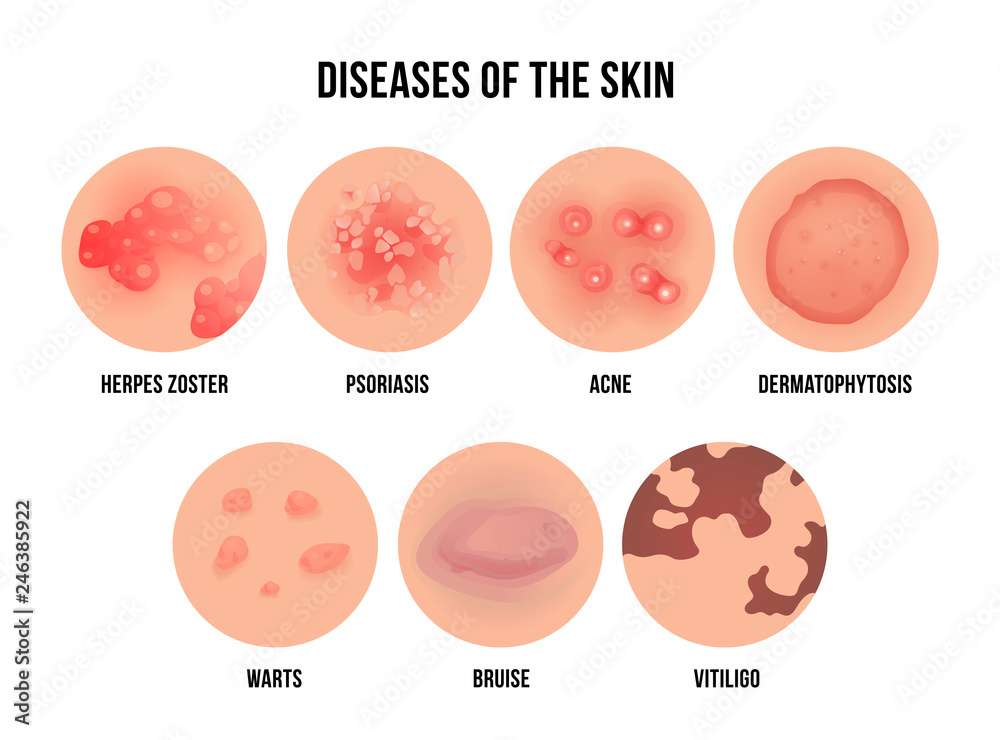
Hypertension, or high blood pressure, is a common condition that can lead to severe health complications if left untreated. It is often termed the 'silent killer' as it may not present noticeable symptoms until significant damage has occurred.
- Symptoms/Causes: Some may experience headaches or dizziness, but it is often asymptomatic. Causes can include genetic factors, poor diet, lack of exercise, and stress.
- Diagnosis: Blood pressure is measured using a sphygmomanometer. Multiple readings over time are necessary for accurate diagnosis.
- Treatment/Management: Lifestyle modifications such as dietary changes and increased physical activity are essential. Medications like ACE inhibitors or diuretics may be prescribed.
- What to Expect: Regular monitoring of blood pressure levels and follow-up appointments will be crucial to manage this condition effectively.
Managing hypertension is essential for reducing the risk of heart disease and stroke. Regular check-ups can aid in maintaining healthy blood pressure levels.