
Dr.M G KGAN
About Me
Dr.M G KGAN
MBBS
General Physician
10 Years Experience
Biography
My Clinic
OPD Hours
| Monday | Morning | 10:00 AM | - | 02:00 PM |
| Evening | 06:00 PM | - | 09:00 PM | |
| Tuesday | Morning | 10:00 AM | - | 02:00 PM |
| Evening | 06:00 PM | - | 09:00 PM | |
| Wednesday | Morning | 10:00 AM | - | 02:00 PM |
| Evening | 06:00 PM | - | 09:00 PM | |
| Thursday | Morning | 10:00 AM | - | 02:00 PM |
| Evening | 06:00 PM | - | 09:00 PM | |
| Friday | Morning | 10:00 AM | - | 02:00 PM |
| Evening | 06:00 PM | - | 09:00 PM | |
| Saturday | Morning | 10:00 AM | - | 02:00 PM |
| Evening | 06:00 PM | - | 09:00 PM | |
| Sunday | Morning | 10:00 AM | - | 02:00 PM |
| Evening | 06:00 PM | - | 09:00 PM |
Treatments
Specialised care and treatments offered
GASTROESOPHAGEAL REFLUX DISEASE (GERD) MANAGEMENT
GERD is a chronic digestive condition where stomach acid frequently flows back into the esophagus causing irritation. Understanding this disease aids significant improvement in patients' quality of life...
- Symptoms often encompass persistent heartburn while lying down after meals alongside regurgitation episodes leading up discomforts occuring overnight .
- Diagnosis generally incorporates endoscopic evaluation alongside 24h pH monitoring assessments ensuring correct identification underlying factors contributing... etc...
- Management strategies encompass dietary modifications by eliminating trigger foods whilst adopting lifestyle habits founded upon upright postures post-meals ; pharmacological agents acting via proton pump inhibition specifically designed targeting reduction acidity produced within stomach lining also employed accordingly .
- Regular consultations ensure patients receive tailored advice focused around controlling flare-ups while maintainind overall epigastric wellness promoting lasting benefits throughout daily activities undertaken! .
THYROID DISORDER EVALUATION

Thyroid disorders encompass conditions like hypothyroidism or hyperthyroidism affecting metabolism. Early evaluation is crucial for effective management of these hormonal imbalances.
- Symptoms commonly reported include fatigue, weight fluctuations, temperature sensitivity, mood changes among others.
- Diagnosis involves physical exams along with thyroid function tests measuring TSH (Thyroid Stimulating Hormone), T3 & T4 hormone levels.
- Management may entail hormone replacement therapy for hypothyroidism while hyperthyroidism could necessitate medication aimed at inhibiting hormone production or procedures like radioactive iodine therapy.
- Regular monitoring ensures hormone levels remain balanced while minimizing potential complications related to cardiovascular issues.
- Proactive management leads not only towards symptom relief but substantial improvements in everyday well-being overall!
Addressing thyroid concerns promptly ensures optimal health outcomes moving forward!.
HYPERLIPIDEMIA TREATMENT
Hyperlipidemia refers to elevated lipid levels in the bloodstream which can increase the risk of cardiovascular disease. Prompt identification and treatment are key components in controlling this condition.
- This condition often presents with no symptoms but can be detected through routine blood tests measuring cholesterol levels.
- A diagnosis will typically involve assessing both LDL (bad) cholesterol levels as well as overall triglyceride counts.
- Treatment options include lifestyle changes such as adopting a healthier diet low in saturated fats as well as medications like statins when necessary to lower cholesterol effectively.
- Regular follow-up appointments help in monitoring lipid profiles for prompt modifications in treatment plans when required.
- Lifestyle adjustments alongside medication contribute significantly to reducing cardiovascular risks associated with hyperlipidemia.'
A dedicated approach towards managing lipids improves heart health comprehensively over time.
ASTHMA TREATMENT
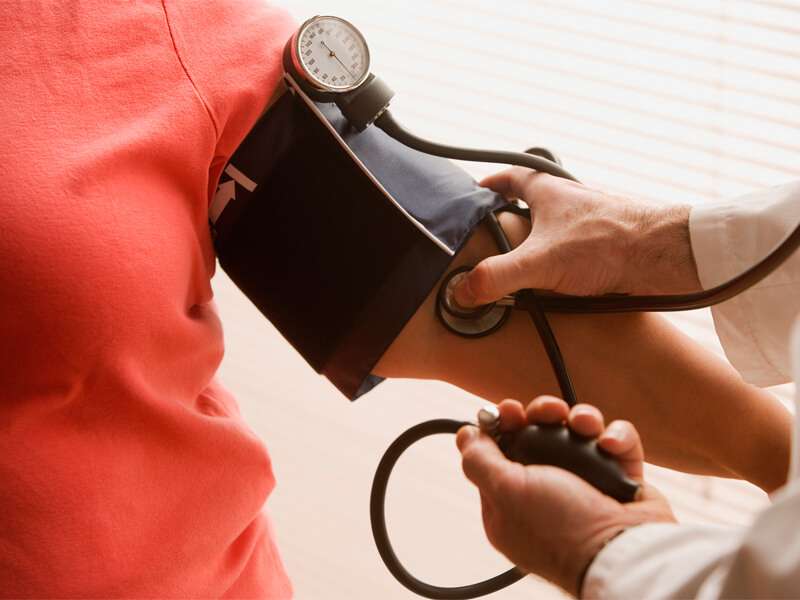
Asthma is a chronic respiratory condition that causes difficulty in breathing due to inflammation of the airways. Understanding triggers and having an appropriate management plan can significantly improve quality of life.
- Nocturnal coughing, wheezing, chest tightness, and shortness of breath are common symptoms.
- A physician will perform lung function tests along with a medical history review for diagnosis.
- Treatment strategies may include inhalers with bronchodilators or corticosteroids to reduce airway inflammation; avoiding known triggers is also crucial.
- An asthma action plan tailored to individual needs helps in managing exacerbations effectively.
- The goal of treatment is not just symptom control but improving overall lung function and preventing acute attacks.
A comprehensive approach to asthma management promotes better respiratory health over time.
DIABETES MELLITUS MANAGEMENT

Diabetes Mellitus is a chronic condition characterized by elevated blood sugar levels due to insulin resistance or deficiency. Proper management is vital for preventing long-term complications.
- The common symptoms include excessive thirst, frequent urination, extreme fatigue, and blurred vision.
- Diagnosis usually involves blood tests that measure glucose levels, including fasting plasma glucose tests and A1C tests.
- Treatment focuses on regulating blood sugar levels through a combination of diet management, regular exercise, and likely insulin therapy or oral medications.
- Monitoring your blood sugar regularly helps in making timely adjustments to your treatment plan.
- If left unmanaged, diabetes can lead to severe complications affecting the eyes, kidneys, heart, and nerves.
A proactive approach in managing diabetes greatly enhances the quality of life and reduces the risk of complications.
HYPERTENSION MANAGEMENT

Hypertension, commonly known as high blood pressure, is a condition that can lead to serious health complications if not managed properly. It is essential to monitor blood pressure regularly and understand its implications for overall health.
- Symptoms may include headaches, shortness of breath, and nosebleeds, although many individuals may experience no symptoms at all.
- Diagnosis typically involves measuring blood pressure at different times and may require additional tests to assess heart and kidney function.
- Treatment often includes lifestyle changes such as diet modification, increased physical activity, and medications like ACE inhibitors or diuretics.
- Regular follow-ups with your healthcare provider are important for monitoring blood pressure levels and adjusting treatment plans as necessary.
- Controlling hypertension can prevent complications such as heart attack or stroke.
Understanding and managing hypertension is crucial for maintaining cardiovascular health and preventing severe outcomes.