
Dr.amresh Singh
About Me
Dr.amresh Singh
B.P.T
Physiotherapist
10 Years Experience
Biography
My Clinic
OPD Hours
| Monday | Morning | 10:00 AM | - | 02:00 PM |
| Evening | 06:00 PM | - | 09:00 PM | |
| Tuesday | Morning | 10:00 AM | - | 02:00 PM |
| Evening | 06:00 PM | - | 09:00 PM | |
| Wednesday | Morning | 10:00 AM | - | 02:00 PM |
| Evening | 06:00 PM | - | 09:00 PM | |
| Thursday | Morning | 10:00 AM | - | 02:00 PM |
| Evening | 06:00 PM | - | 09:00 PM | |
| Friday | Morning | 10:00 AM | - | 02:00 PM |
| Evening | 06:00 PM | - | 09:00 PM | |
| Saturday | Morning | 10:00 AM | - | 02:00 PM |
| Evening | 06:00 PM | - | 09:00 PM | |
| Sunday | Morning | 10:00 AM | - | 02:00 PM |
| Evening | 06:00 PM | - | 09:00 PM |
Treatments
Specialised care and treatments offered
GAIT ANALYSIS & TRAINING
The evaluation of gait patterns is critical for diagnosing underlying conditions affecting movement efficiency. Gait analysis allows physiotherapists to identify abnormalities that contribute to discomfort during walking or running activities
- Common indicators include limping behaviors associated alongside joint pains along lower extremities leading up toward instability felt while navigating uneven surfaces!
- Diagnosis generally begins with observing patients’ movements followed by assessments where speed settings , timing measurements guide comparison against normative standards observed among similar healthy populations !
- Treatment plans incorporate corrective exercises designed specifically targeting strength building around weak areas combined with retraining techniques focused directly upon developing normalized walking/running styles!
- Patients undergoing this process will gradually notice enhanced stability & effectiveness within their strides leading towards better quality restoration felt across daily routines afterward !
Gait retraining remains imperative towards ensuring optimal performance levels achieved freely without limitations previous encountered !
NEUROLOGICAL REHABILITATION
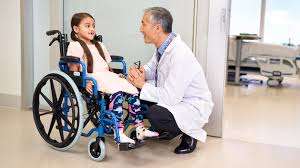
This specialized form of physiotherapy focuses on improving function following neurological events like strokes or spinal cord injuries. It aims at maximizing independence through tailored therapies suited for individual needs
- Affected individuals may experience symptoms such as weakness, balance difficulties, coordination challenges, or sensory changes after neurological incidents occur!
- An accurate diagnosis includes clinical evaluation coupled with neuroimaging tests where needed to comprehensively understand impairments present within nervous system pathways
- Therapeutic interventions typically consist of strength training routines complemented by balance activities aimed at enhancing proprioception & coordination skills!
- Patients can expect gradual improvements reflected through measurable successes & encouragements tied into each therapy session!
Neurological rehabilitation plays an integral role in fostering recovery while promoting confidence back into everyday movement activities!
POSTURAL CORRECTION

Postural correction is essential for maintaining overall health and preventing chronic pain associated with poor posture. Physiotherapy strongly addresses this issue by teaching proper alignment strategies tailored to individual lifestyles
- Poor posture can lead to persistent discomforts such as neck pain, backaches, fatigue, and headaches over time.
- A physiotherapist will perform an assessment that evaluates your posture during various activities like sitting at work or standing during daily tasks.
- Treatment may involve exercises focusing on strengthening weak muscles while stretching those that are overly tight, along with instruction on ergonomic practices applicable in everyday life.
- As patients receive feedback about their postural habits, they’ll learn how adjustments can significantly impact their well-being positively over time.
Effective postural correction not only alleviates current problems but also helps prevent future issues related to musculoskeletal strain.
MANUAL THERAPY

This hands-on therapeutic technique is designed to alleviate pain and improve mobility through precise manipulation of soft tissues and joints. Manual therapy can play a pivotal role in treating various conditions affecting movement patterns.
- Pain, muscle tightness, and decreased flexibility are common symptoms that indicate the need for this treatment method.
- A detailed assessment is conducted by a physiotherapist to identify areas of restriction or discomfort within the body.
- The main treatment strategies involve stretching techniques, joint mobilizations, and soft tissue release aimed at enhancing circulation and reducing tension.
- Patients will often notice increased range of motion following sessions along with guidance on self-management strategies for long-term benefits.
This non-invasive approach prioritizes restoring natural movement without the need for surgical interventions.
SPORTS INJURY MANAGEMENT

Managing sports injuries effectively requires a comprehensive understanding of the body’s mechanics and the stresses placed on it during athletic activity. Physiotherapy helps athletes recover swiftly while minimizing the risk of future injuries.
- Common symptoms include sharp pain during movement, swelling, bruising, and muscle stiffness after physical exertion.
- A thorough diagnosis often combines clinical evaluations with imaging studies when necessary to identify the specific injury type.
- Treatment approaches vary from targeted strength training exercises to techniques such as taping or splinting for support during recovery.
- Regular follow-ups enable adjustments in therapy to align with patient progress and comfort levels.
A well-structured rehabilitation plan ensures athletes can safely return to their sport at full capacity.
ORTHOPEDIC REHABILITATION

Orthopedic rehabilitation is a crucial component in the recovery process for individuals dealing with musculoskeletal injuries. This therapeutic approach focuses on restoring mobility, strength, and function.
- Symptoms of orthopedic issues may include pain, swelling, and limited range of motion in joints or limbs.
- Diagnosis often involves physical assessments and imaging techniques such as X-rays or MRIs to evaluate the extent of injury.
- Treatment options typically include guided exercises, manual therapy, and modalities like ultrasound or electrical stimulation to enhance healing.
- Patients can expect a personalized rehabilitation plan tailored to their specific needs and progress monitoring throughout the recovery journey.
The ultimate goal is to help patients regain their independence and return to daily activities with improved functionality.