
Dr. Virendra
About Me
Dr. Virendra
MS
Cardiothorocic Surgeon
10 Years Experience
Biography
My Clinic
OPD Hours
| Monday | Morning | 10:00 AM | - | 02:00 PM |
| Evening | 06:00 PM | - | 09:00 PM | |
| Tuesday | Morning | 10:00 AM | - | 02:00 PM |
| Evening | 06:00 PM | - | 09:00 PM | |
| Wednesday | Morning | 10:00 AM | - | 02:00 PM |
| Evening | 06:00 PM | - | 09:00 PM | |
| Thursday | Morning | 10:00 AM | - | 02:00 PM |
| Evening | 06:00 PM | - | 09:00 PM | |
| Friday | Morning | 10:00 AM | - | 02:00 PM |
| Evening | 06:00 PM | - | 09:00 PM | |
| Saturday | Morning | 10:00 AM | - | 02:00 PM |
| Evening | 06:00 PM | - | 09:00 PM | |
| Sunday | Morning | 10:00 AM | - | 02:00 PM |
| Evening | 06:00 PM | - | 09:00 PM |
Treatments
Specialised care and treatments offered
ARRHYTHMIA SURGERY
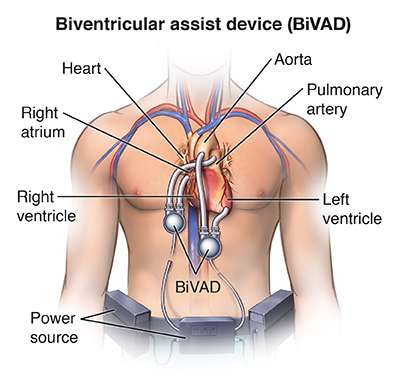
Surgical intervention for arrhythmias aims at restoring normal electrical impulses within the heart. When medications fail or symptoms become unmanageable, this alternative offers hope for better rhythm control
- Arrhythmias present various forms including atrial fibrillation which could manifest through palpitations , dizziness , fatigue
- Diagnosis usually incorporates electrocardiograms alongside Holter monitors tracking heartbeat fluctuations over extended periods
- Treatment modalities might also involve ablation techniques targeting specific areas generating erratic signals while some patients benefit greatly from implanted devices such as pacemakers or defibrillators
- Post-operatively regular surveillance appointments ensure successful outcomes allowing healthcare teams' quick response should complications arise unexpectedly down line perhaps requiring additional adjustments
Successful surgeries tend indeed improve quality-of-life concerns even alleviating fears surrounding potentially dire consequences tied into underlying arrhythmic conditions exacerbated through lack thereof prior action taken .
MITRAL VALVE REPAIR
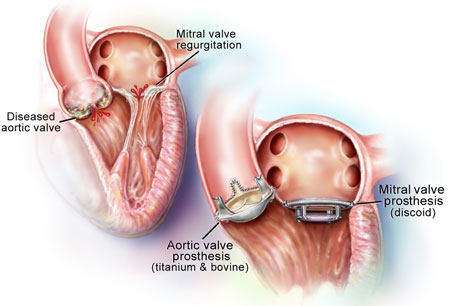
Mitral valve repair is a surgical technique aimed at correcting issues such as mitral regurgitation where the valve doesn't close completely. This condition can lead to heart failure if left unmanaged long-term
THORACIC ANEURYSM REPAIR
A thoracic aneurysm occurs when there is an abnormal dilation of the major artery carrying blood from the heart. Surgical repair is necessary to prevent rupture which can be life-threatening.
- The condition often presents asymptomatically but can include pain in the chest or back if it grows larger
- Diagnostic imaging such as chest X-rays and CT scans are crucial for confirming the presence and size of an aneurysm.
- Treatment options vary based on aneurysm size; smaller ones may just require monitoring while larger ones will need surgical intervention either through open surgery or endovascular techniques.
- Recovery varies; close follow-up care ensures stabilization post-repair with gradual resumption of regular activities advised
This timely intervention dramatically reduces risks associated with aneurysms if recognized early enough during routine check-ups or examinations.
LUNG CANCER RESECTION
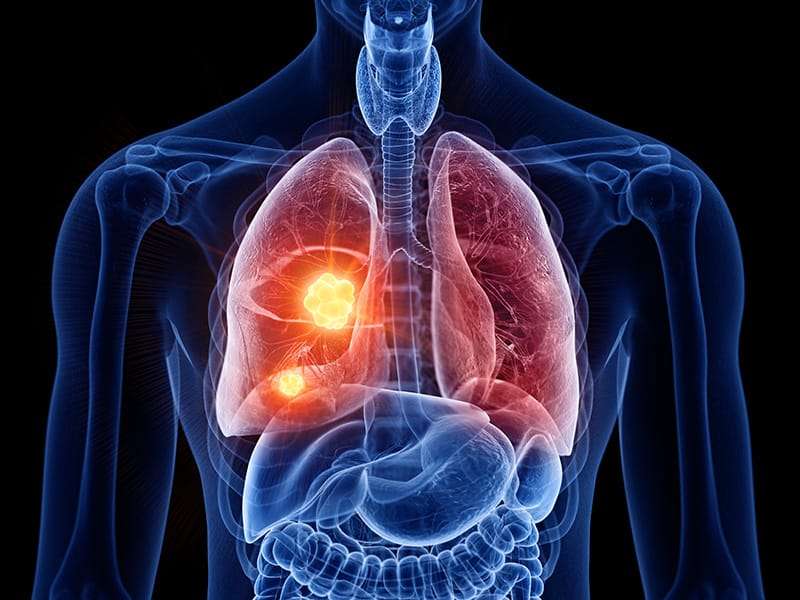
Lung cancer resection involves surgically removing part or all of a lung affected by cancer. This treatment is critical for patients diagnosed with localized lung tumors when detected early.
- Sneaky symptoms such as persistent cough or unexplained weight loss may prompt further investigation into potential lung issues.
- Your healthcare provider will utilize imaging tests like CT scans and biopsies for accurate diagnosis.
- Other treatment strategies include chemotherapy, radiation therapy, or targeted therapies; however, surgery remains a key option for eligible patients.
- Post-operative care includes pain management and respiratory therapy to aid recovery and restore lung function quickly.
This surgery can be life-saving for many individuals battling lung cancer when performed at an appropriate stage of illness.
AORTIC VALVE REPLACEMENT
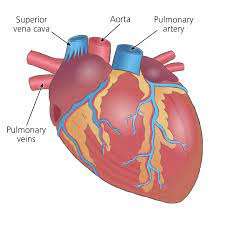
Aortic valve replacement is a common surgery performed to replace a diseased aortic valve that impedes normal blood flow. This condition often results from age-related degeneration or rheumatic fever.
- Symptoms may include shortness of breath, chest pain, dizziness, or swelling in the legs.
- A thorough evaluation using echocardiograms helps in diagnosing the severity of valve dysfunction.
- Treatment options range from medications to manage symptoms, but surgical intervention becomes essential in severe cases.
- Patients can expect some level of discomfort post-surgery; however, most resume normal activities after an adequate recovery period.
This procedure can lead to improved heart function and overall well-being in those affected by valve disorders.
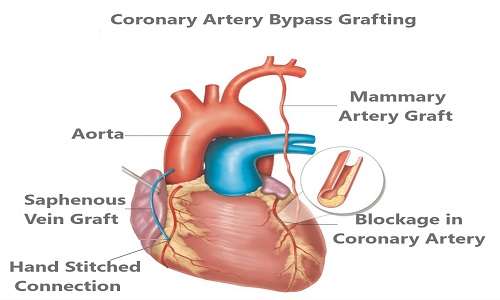
CORONARY ARTERY BYPASS GRAFTING (CABG)
Coronary artery bypass grafting is a surgical procedure aimed at improving blood flow to the heart. It is often recommended for patients with severe coronary artery disease where other treatments may not suffice.
- The primary cause of the condition is the buildup of fatty deposits in the coronary arteries, leading to reduced blood flow.
- Symptoms can include chest pain, shortness of breath, and fatigue during physical activity.
- Diagnosis often involves angiography, stress tests, and imaging studies to assess blood flow.
- Management options include lifestyle modifications and medication; however, surgery may be necessary for serious blockages.
- During recovery from CABG, it is common to experience discomfort and fatigue which typically improves gradually over weeks.
This procedure can significantly enhance quality of life and reduce heart-related complications.