
Dr. Vinoda Rajeev
About Me
Dr. Vinoda Rajeev
MD
Cardiologist
10 Years Experience
Biography
My Clinic
OPD Hours
| Monday | Morning | 10:00 AM | - | 02:00 PM |
| Evening | 06:00 PM | - | 09:00 PM | |
| Tuesday | Morning | 10:00 AM | - | 02:00 PM |
| Evening | 06:00 PM | - | 09:00 PM | |
| Wednesday | Morning | 10:00 AM | - | 02:00 PM |
| Evening | 06:00 PM | - | 09:00 PM | |
| Thursday | Morning | 10:00 AM | - | 02:00 PM |
| Evening | 06:00 PM | - | 09:00 PM | |
| Friday | Morning | 10:00 AM | - | 02:00 PM |
| Evening | 06:00 PM | - | 09:00 PM | |
| Saturday | Morning | 10:00 AM | - | 02:00 PM |
| Evening | 06:00 PM | - | 09:00 PM | |
| Sunday | Morning | 10:00 AM | - | 02:00 PM |
| Evening | 06:00 PM | - | 09:00 PM |
Treatments
Specialised care and treatments offered
ELECTROPHYSIOLOGICAL STUDY (EPS)

An electrophysiological study (EPS) is performed to assess electrical signals within the heart. It’s especially useful for patients experiencing abnormal heart rhythms which require clarification through direct measurement methods rather than assumptions based solely on surface-level assessments alone!
- Symptoms leading to EPS may include recurrent palpitations leading one into feeling faint occasionally.
- Conducted in specialized labs fully equipped with advanced technology ensuring safety throughout testing segments undertaken via intravenous sedation services also enhancing patient comfort levels experienced here .
- Following detailed evaluations stemming from EPS , doctors then devise customized approaches emerging post-analysis aimed at harmonizing rates restoring rhythm wherever deviations noticed emerge along traces collected .
- Expect follow-up care recommendations tailored specifically following conclusive results highlighting any concerns observed thereby addressing them proactively moving forward .
Overall yielding clarity regarding arrhythmia pathways significantly advances understanding ultimately serving quality life foundations each individual deserves stepping onwards today!
CARDIAC CATHETERIZATION
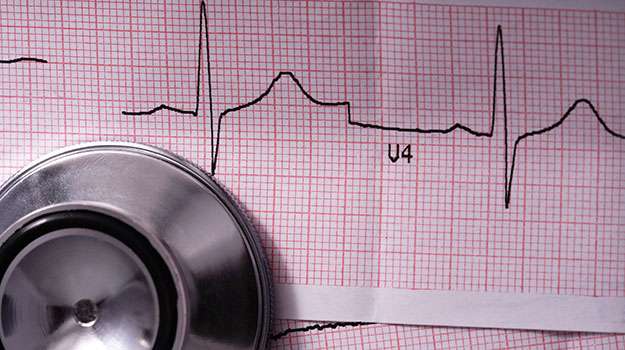
Cardiac catheterization is both a diagnostic and therapeutic procedure where a thin tube is inserted into the heart through blood vessels. This technique allows direct assessment of heart function and structures while enabling certain treatments for blockages simultaneously.
- This method is used when symptoms such as severe angina or complex abnormal tests suggest serious underlying issues that need immediate investigation or intervention.
- Navigating through large veins or arteries ensures minimally invasive access without extensive recovery times post-procedure.
- If blockages are found during catheterization, it can also facilitate stents placement immediately within case-specific situations enhancing blood flow urgently
- Continuous monitoring after the procedure ensures patient comfort and care before discharge back home.
Comprehending how cardiac catheterization operates provides peace of mind knowing alternatives exist should intervention become necessary.
HOLTER MONITOR
A Holter monitor is a portable device worn by patients to continuously record their heart's electrical activity over 24-48 hours. This extended monitoring helps identify intermittent cardiac issues that might not show up during standard checks.
- Symptoms may include unexplained fainting episodes, rapid heartbeat, or persistent dizziness that warrants closer observation.
- The device captures data while patients go about their daily routines, providing real-time insights into cardiac rhythms and events.
- Treatment approaches depend on findings; they can involve medication adjustments or referral for further specialized care if serious arrhythmias are detected.
- After removing the monitor, results are analyzed by specialists to discuss potential treatment pathways with patients promptly.
This method significantly enhances our understanding of individual cardiac health patterns over time for more tailored management strategies.
STRESS TESTING
A stress test evaluates how well your heart functions under physical stress. It is typically conducted while walking on a treadmill or pedaling a stationary bike to monitor heart performance during exertion.
- People often experience symptoms like chest discomfort, unusual fatigue, or palpitations during testing.
- This assessment helps in detecting irregularities in heart rhythm and blood flow that might not be noticeable at rest.
- If issues are identified, follow-up recommendations could range from lifestyle adjustments to more invasive procedures based on specific findings.
- The recovery phase is monitored closely to ensure safety after exercise-induced stress testing.
This thorough evaluation allows better insight into your overall cardiovascular fitness and risk factors associated with heart disease.
ECHOCARDIOGRAM
An echocardiogram is a crucial imaging test that uses sound waves to produce images of the heart's structure and function. This non-invasive test plays a significant role in diagnosing various heart conditions.
- Symptoms prompting this examination may include unexplained dizziness, irregular heartbeat, or swelling in extremities.
- The test is commonly performed in an office setting and does not require any incisions or needles.
- Treatment strategies following an echocardiogram may encompass medication management or potentially further diagnostic tests if abnormalities are found.
- Patients are generally informed about the next steps based on their results at the conclusion of the study.
Echocardiograms provide essential information regarding your cardiac health and help shape future treatment plans.
CORONARY ANGIOGRAPHY
Coronary angiography is a diagnostic procedure used to visualize the arteries of the heart. This procedure helps in identifying blockages or narrowing of the coronary arteries, which can lead to serious heart conditions.
- Common symptoms include chest pain, shortness of breath, and fatigue.
- This procedure is usually conducted as an outpatient service and involves the use of a contrast dye visible on X-ray.
- Management options often include lifestyle changes, medications, or surgical interventions depending on severity.
- Patients can expect careful monitoring post-procedure for any complications.
Understanding your heart health through coronary angiography is vital for preventing potential cardiovascular events.