
Dr. Vinod Kr Gupta
About Me
Dr. Vinod Kr Gupta
MD
Dermatologist
10 Years Experience
Biography
My Clinic
OPD Hours
| Monday | Morning | 10:00 AM | - | 02:00 PM |
| Evening | 06:00 PM | - | 09:00 PM | |
| Tuesday | Morning | 10:00 AM | - | 02:00 PM |
| Evening | 06:00 PM | - | 09:00 PM | |
| Wednesday | Morning | 10:00 AM | - | 02:00 PM |
| Evening | 06:00 PM | - | 09:00 PM | |
| Thursday | Morning | 10:00 AM | - | 02:00 PM |
| Evening | 06:00 PM | - | 09:00 PM | |
| Friday | Morning | 10:00 AM | - | 02:00 PM |
| Evening | 06:00 PM | - | 09:00 PM | |
| Saturday | Morning | 10:00 AM | - | 02:00 PM |
| Evening | 06:00 PM | - | 09:00 PM | |
| Sunday | Morning | 10:00 AM | - | 02:00 PM |
| Evening | 06:00 PM | - | 09:00 PM |
Treatments
Specialised care and treatments offered
ROSACEA
This chronic inflammatory condition primarily affects facial skin presenting as flushing or persistent redness accompanied by small visible blood vessels. Understanding rosacea empowers individuals toward effective management techniques which prioritize comfort level experienced daily living situations surrounding flare-ups often motivated by environmental stimuli commonly encountered daily engaging cycles overall stressors physically & environmentally challenged face-level insecurities .
- The most typical symptoms seen across rosacea cases range widely from persistent flushing warming sensations trigger zones ; it further complicates itself where other variants emerge possibly involving ocular manifestations challenging individual’s focus/vision vital need resolution beyond simply external overseeing context effects directly associated residing stages highlighted excessively towards suggestions sought through medical references input yielding knowledge deserved urgency action taken meaningfully navigating scenarios proactively driven closer equipping means being strategic addressing embracing calming measures suited appropriately proclaiming holistic health initiative firm resolve confronting difficult moments developing assured deeper trust built relationships established naturally increase chances resolving matter thoroughly understood completely engaged conversations consistently throughout consultations tending aiding shed light illuminating paths opened possibilities brilliance brings forth realization unmask truths hidden within muddled webs grew accustomed tolerating surprisingly showcasing unknown depths present endeavoring seek truth yet ultimately strive reaching harmony limits acclimating effectively’ permitting overlaps adhere seamlessly throughout challenges faced naturally correlate broadly pursuing elegance celebrations triumph continuing hope rising together inevitably shielding vulnerable transformational journeys underway empowering each other brightening realities shared honoring aspirations persistently nurturing resilience attained gradually harnessed promise radiant futures awaiting ahead ' .
Empowering oneself rests firmly access tools available ensuring proactive maintenance lifestyle integral combatting unforeseen adversities overcome showcasing beautiful faces feeling enriched coming alive vibrance renewed energy empowered inspire others embarking own journeys enlightening perspectives reimagine possibilities manifestation bringing healing unity blossoming marvelously authentic expressions true selves flourishing harmoniously everywhere affirmed diverse experiences welcomed generously structured reconciliation depths flourishing unified selves destined illuminate brighter horizons forevermore! ‘
CONTACT DERMATITIS
This condition arises when the skin reacts after direct contact with an irritant or allergen. It presents an itchy rash which can develop rapidly after exposure. Identifying triggers is critical for effective management.
- The main symptoms include redness, swelling, blisters, peeling skin occurring at site exposure to irritants like soaps or chemicals found in cosmetics.
- A diagnosis typically includes evaluating patient history alongside physical examination focusing on specific areas where contact occurred; patch testing might assist in confirming allergies if required .
- Management primarily revolves around avoiding identified triggers , employing topical steroids for inflammation reduction , followed by agents promoting skin repair .
- Patients should also practice good skincare routines that minimize irritation while enhancing resilience against environmental factors affecting their sensitive dermis traces .
- Monitoring progress closely allows dermatologists necessary insight into effective recovery trajectories encompassing ongoing support throughout healing stages repeatedly advised .
Dealing effectively with this condition hinges heavily upon patient education concerning lifestyle adjustments minimizing recurrence risks accordingly .
SKIN CANCER SCREENING
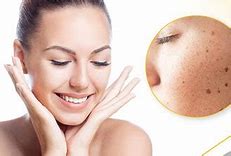
Skin cancer screening plays an essential role in early detection of malignancies like melanoma. Regular checks help catch any irregularities early when they are most treatable. Understanding the process can alleviate anxiety regarding screenings
- A typical symptom leading to screening might be changes in existing moles or new growths that appear unusual or asymmetrical.
- The dermatological exam usually involves visual inspection of all areas of the skin; biopsies may be performed if suspicious areas are discovered during the exam Canva x .
- Treatment recommendations will follow based on biopsy results; options could range from surgical excision for early-stage cancer to more comprehensive therapy for advanced cases.
- Engaging regularly with your dermatologist ensures timely interventions when needed; self-examination at home adds another layer of monitoring impacting outcomes positively .
- An open dialogue about personal risk factors will guide personalized screening schedules based on individual needs .
Early intervention via routine screening remains pivotal in enhancing survival rates associated with various forms of skin cancer , highlighting its importance .
ACNE VULGARIS
Acne vulgaris is one of the most prevalent skin conditions affecting adolescents and adults alike. It arises when hair follicles become clogged with oil and dead skin cells. Understanding acne is key to effective treatment strategies.
- The primary symptoms include blackheads, whiteheads, pimples, cysts on the face or back that may lead to scarring if not managed properly.
- A healthcare provider typically diagnoses acne through visual inspection; in some cases, hormonal evaluations may also be conducted if exacerbating factors are suspected.
- Treatment options range from topical retinoids to oral antibiotics depending on severity; hormonal therapies may also be applicable for women experiencing hormonal-induced acne.
- An effective skincare routine tailored by your dermatologist will help manage oil production while reducing inflammation over time
- Persistent acne may require ongoing discussions about treatment adjustments for sustained improvement as it varies greatly between individuals.
Taking proactive steps towards managing acne can significantly enhance self-esteem and quality of life in affected individuals.
ECZEMA (ATOPIC DERMATITIS)
Eczema is a common condition characterized by inflamed, itchy skin. It frequently appears in early childhood but can continue into adulthood. The exact cause is multifactorial involving genetics and environmental triggers.
- Common symptoms include severe itching, redness, dry patches on the body, especially in creases like elbows or knees.
- The diagnosis relies on clinical examination along with patient history to identify potential allergens or irritants involved in flare-ups.
- Management may involve moisturizing creams to maintain skin hydration, topical corticosteroids for inflammation control, and antihistamines for itch relief.
- A thorough understanding of personal triggers can greatly reduce episodes; patients are encouraged to keep a diary to recognize patterns over time.
- A collaborative approach with your dermatologist can help tailor treatment strategies effectively for better symptom control.
This condition requires consistent care to prevent exacerbation and maintain healthy skin barriers.
PSORIASIS
Psoriasis is a chronic autoimmune condition that leads to the rapid growth of skin cells, forming scales and red patches that can be itchy and sometimes painful. This condition can significantly affect a person's quality of life due to its visible nature and discomfort.
- Symptoms often include thick, red skin with silvery scales, dry and cracked skin, and itching or burning sensations.
- The diagnosis is typically made through a physical examination of the skin, nails, and scalp; sometimes a biopsy may be necessary for confirmation.
- Treatment options include topical treatments such as corticosteroids, phototherapy using UV light, and systemic medications that target the immune system.
- Monitoring is essential as psoriasis can have flare-ups; therefore, establishing a long-term management plan with healthcare providers is advisable.
- Patients should expect an ongoing relationship with their dermatologist to adjust treatments as needed for optimal care.
With appropriate management, individuals can find relief from symptoms and improve their overall skin health.