
Dr. Vinay Kumar Sharma
About Me
Dr. Vinay Kumar Sharma
MS
General Surgeons
10 Years Experience
Biography
My Clinic
OPD Hours
| Monday | Morning | 10:00 AM | - | 02:00 PM |
| Evening | 06:00 PM | - | 09:00 PM | |
| Tuesday | Morning | 10:00 AM | - | 02:00 PM |
| Evening | 06:00 PM | - | 09:00 PM | |
| Wednesday | Morning | 10:00 AM | - | 02:00 PM |
| Evening | 06:00 PM | - | 09:00 PM | |
| Thursday | Morning | 10:00 AM | - | 02:00 PM |
| Evening | 06:00 PM | - | 09:00 PM | |
| Friday | Morning | 10:00 AM | - | 02:00 PM |
| Evening | 06:00 PM | - | 09:00 PM | |
| Saturday | Morning | 10:00 AM | - | 02:00 PM |
| Evening | 06:00 PM | - | 09:00 PM | |
| Sunday | Morning | 10:00 AM | - | 02:00 PM |
| Evening | 06:00 PM | - | 09:00 PM |
Treatments
Specialised care and treatments offered
BREAST SURGERY (LUMPECTOMY)

Lumpectomy is a breast-conserving surgery performed to remove cancerous tumors while preserving healthy tissue around them. This approach plays a critical role in managing breast cancer effectively while maintaining aesthetics post-surgery.
- Indications: Commonly indicated for patients diagnosed with localized breast cancers who wish to maintain breast shape.
- Diagnostic Techniques: Biopsy results determine candidacy alongside imaging studies such as mammograms prior to surgery.
- Surgical Approach: The procedure involves removing tumor mass along with a margin of surrounding healthy tissue under anesthesia.
- Post-Surgical Expectations: Many patients pursue radiation therapy following lumpectomy; recovery generally includes managing discomfort at incision sites temporarily.
Discussing surgical options thoroughly enables informed decisions geared towards both health outcomes and personal comfort.
HEMORRHOID TREATMENT

This condition involves swollen veins in the anal region that can be uncomfortable or painful. Hemorrhoids may cause symptoms such as rectal bleeding or itching during bowel movements. Recognizing these signs early allows for effective management strategies to relieve discomfort.
- Causes: Straining during bowel movements and prolonged sitting contribute significantly to hemorrhoid development.
- Diagnosis: A thorough examination by a healthcare provider often confirms the diagnosis.
- Management Options: Treatment ranges from dietary changes and topical medications to minimally invasive procedures in more severe cases.
- Expected Outcomes: Most patients report substantial relief following proper care; however, lifestyle adjustments may be ongoing.
Addressing hemorrhoids early ensures better comfort and reduces potential complications related to this common condition.
COLORECTAL SCREENING
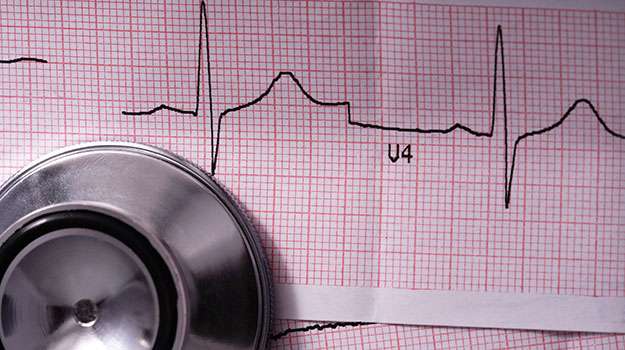
Colorectal screenings are critical for detecting early signs of colorectal cancer. Regular screenings are recommended starting at age 45 or earlier for high-risk groups. These assessments help identify polyps before they develop into cancer.
- Cancer Symptoms: Signs may include changes in bowel habits, blood in stools, and unexplained weight loss.
- Disease Detection: Colonoscopy is a common method used to visualize the colon and remove polyps if necessary.
- Treatment Pathways:If cancer is detected, various treatments including surgery, chemotherapy, and radiation therapy may be considered based on stage and type of cancer.
Early detection through screening saves lives; ensure you speak with your healthcare provider about your screening schedule today!
APPENDECTOMY
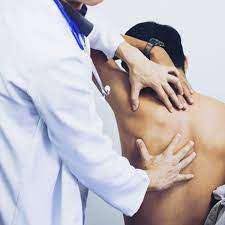
An appendectomy is a surgical procedure to remove the appendix when it becomes inflamed or infected—a condition known as appendicitis. Recognizing symptoms early can lead to more effective treatment.
- Symptoms: Common signs include sharp abdominal pain, loss of appetite, and fever.
- Diagnostic Methods: Physical exams along with imaging tests are crucial for diagnosis.
- Surgical Techniques: Both open surgery and laparoscopic options are available depending on severity and specific patient needs.
- Post-Operative Care: Recovery varies; most people return to normal activities within weeks depending on the surgical method used.
A prompt appendectomy can prevent serious complications such as perforation or infection spreading within the abdomen.
GALLBLADDER REMOVAL (CHOLECYSTECTOMY)
The gallbladder stores bile that helps in digesting fats. Conditions such as gallstones can cause inflammation and pain. Symptoms include severe abdominal pain, nausea, and bloating after meals.
- Symptoms: Patients often experience sudden attacks of pain in the upper right abdomen.
- Diagnosis: Tests such as an ultrasound or CT scan assist in identifying gallstones.
- Treatment Approach: If symptomatic, surgical removal of the gallbladder is typically recommended.
- Coping Post-Surgery: Most patients adjust their diets easily but may initially experience digestive changes.
A timely diagnosis and treatment can prevent complications associated with gallbladder disease.
HERNIA REPAIR
A hernia occurs when an internal organ pushes through a weak spot in the muscle or surrounding tissue wall. Common types include inguinal, femoral, and umbilical hernias. Symptoms may include a noticeable bulge, pain or discomfort, especially when lifting or bending.
- Causes: Strain due to heavy lifting, obesity, or chronic coughing can lead to hernia formation.
- Diagnosis: Physical examination and imaging tests like ultrasound may be used for confirmation.
- Treatment Options: Surgical intervention is often required to repair the hernia and prevent complications.
- Recovery: Patients can expect some swelling but should gradually return to normal activities.
If left untreated, hernias can lead to serious complications, making timely evaluation essential.