
Dr. U.N Singh
About Me
Dr. U.N Singh
MS
Cardiothorocic Surgeon
10 Years Experience
Biography
My Clinic
OPD Hours
| Monday | Morning | 10:00 AM | - | 02:00 PM |
| Evening | 06:00 PM | - | 09:00 PM | |
| Tuesday | Morning | 10:00 AM | - | 02:00 PM |
| Evening | 06:00 PM | - | 09:00 PM | |
| Wednesday | Morning | 10:00 AM | - | 02:00 PM |
| Evening | 06:00 PM | - | 09:00 PM | |
| Thursday | Morning | 10:00 AM | - | 02:00 PM |
| Evening | 06:00 PM | - | 09:00 PM | |
| Friday | Morning | 10:00 AM | - | 02:00 PM |
| Evening | 06:00 PM | - | 09:00 PM | |
| Saturday | Morning | 10:00 AM | - | 02:00 PM |
| Evening | 06:00 PM | - | 09:00 PM | |
| Sunday | Morning | 10:00 AM | - | 02:00 PM |
| Evening | 06:00 PM | - | 09:00 PM |
Treatments
Specialised care and treatments offered
THORACIC OUTLET SYNDROME SURGERY
This condition results from compression at the thoracic outlet affecting blood vessels and nerves near the neck area. Surgical intervention can provide relief from debilitating symptoms when conservative measures fail.
- Symptoms: Commonly reported issues include shoulder pain, numbness in fingers, weakness in hand grip as well as swelling in arms due to circulatory problems.
LUNG CANCER SURGERY
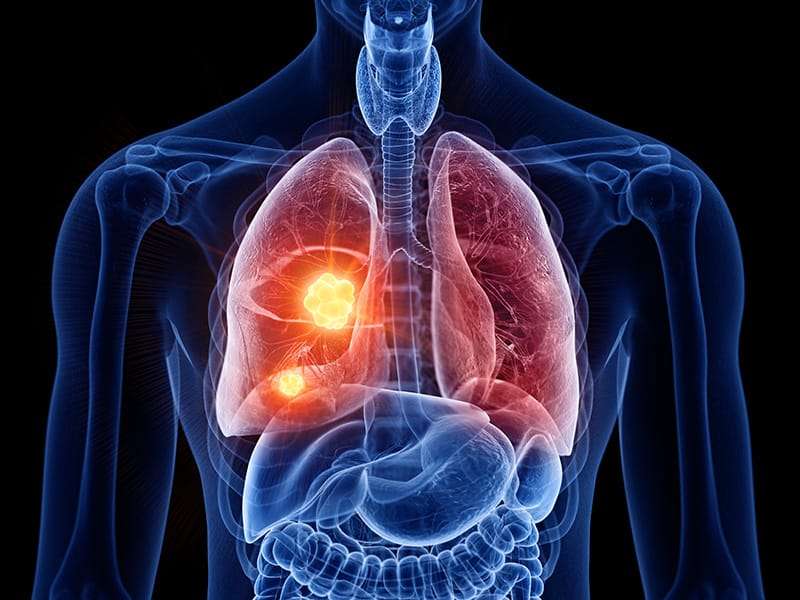
Surgery plays a vital role in treating lung cancer, particularly when detected early. The type of surgery depends on various factors including cancer stage and location within the lung.
- Symptoms: Patients may present with cough that doesn’t go away, unexplained weight loss, chest pain, or blood in sputum as key indicators prompting evaluation.
- Diagnostic Procedures: Diagnosis typically involves imaging studies such as chest X-rays and CT scans alongside biopsies to confirm malignancy type.
- Surgical Choices: Options include lobectomy (removal of lobe), pneumonectomy (removal of an entire lung), or wedge resection depending on tumor extent.
Lung cancer surgery aims not only to remove tumors but also enhance overall prognosis by providing pathways for additional treatments post-surgery if necessary.
AORTIC ANEURYSM REPAIR
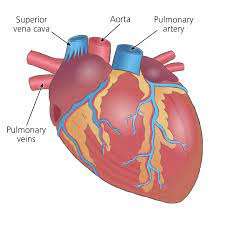
An aortic aneurysm occurs when a segment of the aorta weakens and bulges, posing a risk for rupture. This condition requires careful monitoring and timely intervention.
- Symptoms: Many individuals may be asymptomatic; however, some could experience sudden pain in the back or abdomen if rupture occurs.
- Diagnosis: Imaging techniques such as ultrasound or CT scans help visualize the size and location of the aneurysm.
- Treatment Strategies: Management includes regular monitoring for small aneurysms; larger ones necessitate surgical repair through open surgery or endovascular techniques.
- Recovery Expectations: Post-operative care usually involves hospital monitoring and gradual return to normal activities guided by medical advice.
Aortic aneurysm repair significantly reduces risks associated with rupture and enhances long-term survival prospects for patients affected by this condition.
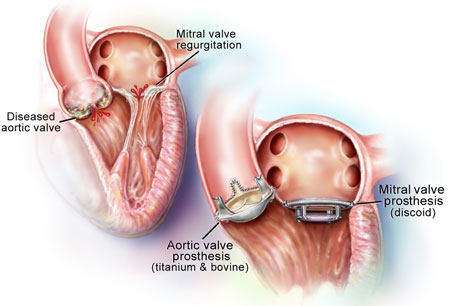
MITRAL VALVE REPAIR
This surgical intervention addresses problems with the mitral valve in the heart. Dysfunction can lead to conditions like regurgitation where blood leaks backward into the heart.
- Causes: Common causes include rheumatic fever and degenerative changes that occur with age.
- Symptoms: Patients might notice symptoms such as palpitations, fatigue, and swelling in feet or abdomen due to heart failure.
- Diagnosis: Imaging studies like echocardiograms are critical for assessing mitral valve function and determining severity.
- Surgical Options: Treatment typically involves repair techniques that preserve the valve structure, often resulting in better outcomes than replacement.
The goal of mitral valve repair is to alleviate symptoms and prevent further cardiac complications while maintaining quality of life.
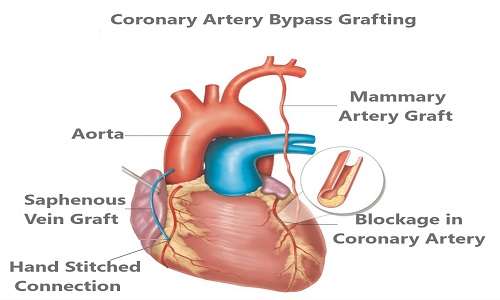
CORONARY ARTERY BYPASS GRAFTING (CABG)
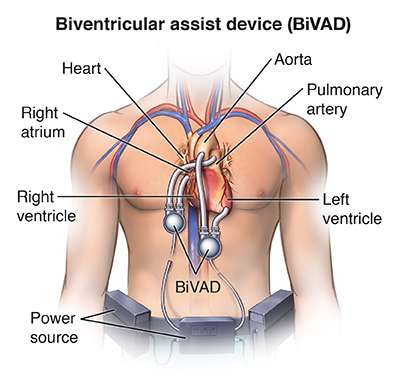
Coronary Artery Bypass Grafting, commonly referred to as CABG, is a surgical procedure to improve blood flow to the heart. It is frequently recommended for patients suffering from severe coronary artery disease.
- Symptoms: Patients may experience chest pain, shortness of breath, or fatigue during physical activities.
- Diagnosis: Diagnosis often involves tests like an ECG, echocardiogram, or coronary angiography to assess the condition of the arterial blockages.
- Treatment Options: The primary treatment is surgery where arteries or veins from other parts of the body are used to bypass blocked arteries.
- Post-Surgery Care: Patients can expect a hospital stay of about 3-7 days, followed by a recovery period involving lifestyle changes and rehabilitation.
CABG is an effective solution for restoring adequate blood flow and improving overall heart function.