
Dr. Singh Narendra Pal
About Me
Dr. Singh Narendra Pal
MBBS
Family Physician
10 Years Experience
Biography
My Clinic
OPD Hours
| Monday | Morning | 10:00 AM | - | 02:00 PM |
| Evening | 06:00 PM | - | 09:00 PM | |
| Tuesday | Morning | 10:00 AM | - | 02:00 PM |
| Evening | 06:00 PM | - | 09:00 PM | |
| Wednesday | Morning | 10:00 AM | - | 02:00 PM |
| Evening | 06:00 PM | - | 09:00 PM | |
| Thursday | Morning | 10:00 AM | - | 02:00 PM |
| Evening | 06:00 PM | - | 09:00 PM | |
| Friday | Morning | 10:00 AM | - | 02:00 PM |
| Evening | 06:00 PM | - | 09:00 PM | |
| Saturday | Morning | 10:00 AM | - | 02:00 PM |
| Evening | 06:00 PM | - | 09:00 PM | |
| Sunday | Morning | 10:00 AM | - | 02:00 PM |
| Evening | 06:00 PM | - | 09:00 PM |
Treatments
Specialised care and treatments offered
WEIGHT MANAGEMENT COUNSELING

Navigating weight management requires a comprehensive approach addressing dietary habits alongside physical activity. Effective counseling offers tools for sustainable weight loss or maintenance tailored specifically to each patient’s needs!
- This counseling involves an initial assessment discussing personal goals you wish to achieve alongside evaluating current lifestyle choices related towards nutrition & exercise practices perhaps leading up direct plans aimed achieving desired outcomes realistically!
- Your family physician might provide insights into nutrition education highlighting what constitutes healthy meals while suggesting gradual changes rather than drastic alterations which are easier adhered too long-term!
PREVENTIVE VACCINATIONS
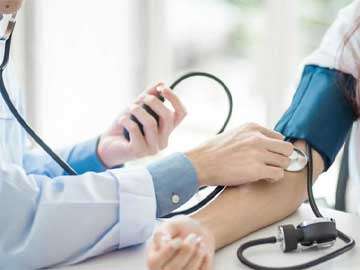
The administration of preventive vaccinations is pivotal in safeguarding individual health against various communicable diseases. Keeping up with immunization schedules can prevent outbreaks within communities as well!
- A healthcare professional will recommend vaccines based on factors such as age, medical history, lifestyle habits, and recent travel history. Common vaccines include influenza and tetanus booster shots among others for adults.
- An assessment through discussion about previous vaccinations will ensure patients receive necessary doses that might have been missed earlier in life or new recommendations relevant based on public health guidelines!
This proactive measure helps maintain community immunity while protecting personal well-being against prevalent diseases throughout the year!
CHOLESTEROL TESTING

Total cholesterol levels are key indicators of heart health. Cholesterol testing helps assess the risk of developing heart disease or stroke over time.
- Individuals may not exhibit symptoms until high cholesterol leads to serious complications; hence periodic testing is crucial for all adults over 20 years old.
- A simple blood test measures total cholesterol levels along with HDL (good) and LDL (bad) cholesterol levels, giving a complete picture of cardiovascular risk.
- If results indicate high cholesterol levels, lifestyle adjustments such as improved diet and increased physical activity might be recommended first before considering medications like statins if necessary.
This testing promotes proactive management of heart health by enabling timely interventions when needed.
ANNUAL PHYSICAL EXAMS
An annual physical exam serves as a cornerstone for preventive healthcare. These evaluations help identify potential health issues before they become more serious problems.
- The exam typically includes assessments such as body weight measurement, blood pressure checks, and laboratory tests depending on age and risk factors.
- This process not only evaluates your current health but also screens for diseases like diabetes or heart disease through blood work and other necessary tests.
- A family physician may also offer vaccinations tailored to your age and health history during this visit.
- The results from the exam will guide discussions about maintaining or improving your health based on personalized recommendations for diet and exercise.
Scheduling these exams annually is crucial in managing long-term health effectively.
DIABETES SCREENING
Screening for diabetes is vital in identifying individuals who are at risk of developing this chronic condition. Early detection enables timely intervention and management.
- Symptoms may include increased thirst, frequent urination, fatigue, and blurred vision. However, many people remain asymptomatic until diabetes progresses.
- Diagnosis usually involves a fasting plasma glucose test or an HbA1c test that assesses average blood sugar levels over the past two to three months.
- If diagnosed early, management can include dietary changes, physical activity increases, and sometimes medication to control blood sugar levels.
- Continual monitoring through regular check-ups helps in adjusting treatment plans as necessary based on individual progress.
This proactive approach ensures that diabetes is managed effectively before it leads to further health issues.
HYPERTENSION
High blood pressure, or hypertension, is often referred to as a silent killer due to its lack of noticeable symptoms. It can lead to serious health complications if not managed properly.
- Common symptoms may include headaches, shortness of breath, and nosebleeds; however, many individuals do not experience any symptoms at all.
- Diagnosis typically involves measuring blood pressure during regular check-ups, with readings consistently above 130/80 mmHg considered hypertensive.
- Treatment options include lifestyle changes such as diet and exercise, as well as medications like diuretics or ACE inhibitors.
- Regular monitoring is essential; patients should aim for routine check-ups with their family physician to track their blood pressure.
- Maintaining a healthy lifestyle and adhering to prescribed medications can significantly lower the risk of heart disease.
Managing hypertension effectively can significantly improve quality of life and prevent complications related to cardiovascular health.