
DR. Shekhar Gupta
About Me
DR. Shekhar Gupta
MS
Orthopaedic Surgeons
10 Years Experience
Biography
My Clinic
OPD Hours
| Monday | Morning | 10:00 AM | - | 02:00 PM |
| Evening | 06:00 PM | - | 09:00 PM | |
| Tuesday | Morning | 10:00 AM | - | 02:00 PM |
| Evening | 06:00 PM | - | 09:00 PM | |
| Wednesday | Morning | 10:00 AM | - | 02:00 PM |
| Evening | 06:00 PM | - | 09:00 PM | |
| Thursday | Morning | 10:00 AM | - | 02:00 PM |
| Evening | 06:00 PM | - | 09:00 PM | |
| Friday | Morning | 10:00 AM | - | 02:00 PM |
| Evening | 06:00 PM | - | 09:00 PM | |
| Saturday | Morning | 10:00 AM | - | 02:00 PM |
| Evening | 06:00 PM | - | 09:00 PM | |
| Sunday | Morning | 10:00 AM | - | 02:00 PM |
| Evening | 06:00 PM | - | 09:00 PM |
Treatments
Specialised care and treatments offered
SPINAL FUSION
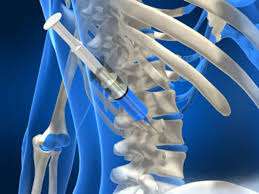
This surgical procedure aims at joining two or more vertebrae together permanently alleviating pain caused by instability conditions within the spine region due various underlying causes like degenerative diseases disc herniations etc., particularly among older adults often requiring careful consideration before proceeding further!
- Common symptoms include chronic back pain radiating down legs visibly affecting mobility capability obstructing daily functional activities expressed through limitations physically exerted.
- Diagnostic evaluations may employ X-rays MRIs coupled alongside neurological assessments confirming appropriate measurements guiding optimal approaches chosen thereafter correctly designed plans set forth enhancing results received.
- Management may first explore nonsurgical avenues integrating therapies chiropractic adjustments physiotherapy helping maintain strength while considering all available alternatives aiming relief satisfaction levels rising expectations over time!
- If conventional treatments prove ineffective spine fusion surgery could provide enhanced stability eliminating painful movements restoring normalcy facilitating enables healthier lives moving forward!
Establishing a collaborative relationship with orthopaedic specialists throughout each stage builds patient confidence encouraging success stories realized actualized persistently!
ANKLE FRACTURE SURGERY
Ankle fractures are common injuries that occur due to falls or sports accidents. Addressing these fractures promptly is essential for proper healing and function restoration.
- Pain, swelling, bruising around the ankle are typical symptoms, often making weight-bearing difficult or impossible without discomfort.
- A detailed assessment including physical examinations alongside X-ray imaging helps ascertain fracture types before deciding on treatment pathways.
- Treatment goals focus on realigning bones through either conservative casting or surgical fixation depending on fracture severity; early interventions are vital for optimal outcomes.
- Surgical procedures might involve inserting screws or plates into bone fragments. Post-surgery follows rehabilitation focused on strengthening exercises for a full recovery journey back towards an active lifestyle.'
Navigating this process under professional guidance ensures that patients receive tailored post-care strategies leading back towards functionality post-injury safely!
CARPAL TUNNEL RELEASE

Carpal tunnel syndrome occurs when the median nerve becomes compressed at the wrist, leading to discomfort and functional challenges in hand coordination.
- Key symptoms include tingling, numbness in fingers, especially at night, along with weakness when griping objects.
- A healthcare provider will perform a physical exam complemented by nerve conduction studies or ultrasounds to confirm diagnosis accuracy.
- Treatment options range from wrist splints and anti-inflammatory medications to more invasive measures like surgery if symptoms persist despite conservative management strategies.
- Surgical techniques involve relieving pressure on the median nerve through an incision in the wrist area, ensuring lasting relief from symptoms in most patients post-operation.
This procedure promises significant improvements in daily activities, enabling patients to return to their regular routines comfortably.
HIP REPLACEMENT SURGERY

Hip replacement surgery is performed to alleviate severe hip pain caused by conditions such as arthritis or injury when other treatments have failed.
- Pain during daily activities and stiffness are common symptoms, which can significantly affect quality of life.
- A thorough diagnostic process often includes physical exams combined with X-rays or MRIs to determine the extent of damage in the joint.
- Management may start with non-surgical options like medication and lifestyle changes; however, surgical intervention is recommended for advanced cases.
- The procedure involves replacing damaged bone with artificial implants, leading to reduced pain and improved mobility post-recovery as patients engage in guided rehab protocols.
This transformative surgery can restore independence and enhance everyday functioning for many individuals.
ROTATOR CUFF REPAIR

The rotator cuff is a group of muscles and tendons that stabilize the shoulder. Tears in this area can lead to pain and weakness.
- Common symptoms include shoulder pain that worsens with movement and decreased strength when lifting objects.
- Diagnosis often requires a combination of physical examinations and imaging like X-rays or MRIs to assess tear severity.
- Treatment may involve conservative methods such as physical therapy or corticosteroid injections, but surgery is sometimes necessary for more severe tears.
- Post-surgery rehabilitation is critical for restoring function and strength over time; follow-up care helps ensure optimal recovery.
A comprehensive evaluation by an orthopaedic surgeon can guide treatment choices tailored to individual needs.
KNEE ARTHROSCOPY

Knee arthroscopy is a minimally invasive surgical procedure used to diagnose and treat various issues within the knee joint.
- Symptoms may include persistent knee pain, swelling, and limited range of motion.
- Diagnosis typically involves a physical examination, imaging studies like MRIs, and in some cases, an arthroscopic evaluation.
- Treatment options can range from removing loose cartilage or repairing torn meniscus to addressing damaged ligaments.
- Recovery involves rehabilitation exercises and gradual return to activities; most patients experience significant relief after the procedure.
This innovative approach allows for quicker recovery times while minimizing trauma to surrounding tissues.