
Dr. Sheela Awasthi
About Me
Dr. Sheela Awasthi
B.P.T
Physiotherapist
10 Years Experience
Biography
My Clinic
OPD Hours
| Monday | Morning | 10:00 AM | - | 02:00 PM |
| Evening | 06:00 PM | - | 09:00 PM | |
| Tuesday | Morning | 10:00 AM | - | 02:00 PM |
| Evening | 06:00 PM | - | 09:00 PM | |
| Wednesday | Morning | 10:00 AM | - | 02:00 PM |
| Evening | 06:00 PM | - | 09:00 PM | |
| Thursday | Morning | 10:00 AM | - | 02:00 PM |
| Evening | 06:00 PM | - | 09:00 PM | |
| Friday | Morning | 10:00 AM | - | 02:00 PM |
| Evening | 06:00 PM | - | 09:00 PM | |
| Saturday | Morning | 10:00 AM | - | 02:00 PM |
| Evening | 06:00 PM | - | 09:00 PM | |
| Sunday | Morning | 10:00 AM | - | 02:00 PM |
| Evening | 06:00 PM | - | 09:00 PM |
Treatments
Specialised care and treatments offered
HERNIATED DISC
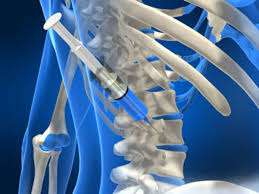
A herniated disc occurs when there’s a rupture of material between vertebrae leading potentially unbearable back pain resulting from irritated nerve roots nearby anytime pressure exceeds tolerance threshold across vulnerable regions such lumbar zone predominantly thus signifies not just discomfort but serious implications concerning mobility needing prompt attention!
- Key signs: Include numbness traveling down limbs coupled sometimes sensation alterations alongside muscle weakness rendering everyday tasks daunting prevalent under duress factors causing added strain overextended periods—historically seen manifesting progressively post-accidents primarily raising concerns about sudden onset instances particularly acute episodes observed within respective profiles prone risks associated therein; < LI RECOMMENDATIONS MIGHT INCORPORATE adaptive behavior shifts redirecting daily exertions while integrating advanced modalities like physiotherapeutic approaches encouraging gradual stabilization ultimately reducing reliance solely upon medications advocating holistic well-being development throughout one's rehabilitation program reinforcing proactive outlooks towards lifelong fitness commitments built steadily evolving treatments paving sustainable paths onward:
Establishing communication channels between physician specialists equally upholding efficacy paramount essence rehabilitative success established via constant monitoring alongside feedback loops enriching understanding cultivating cooperating spaces leading towards resolution-oriented success stories paving ways forward transcending mere challenges faced before providing renewed hope guidance throughout healing journeys embarked upon collaboratively interdependently< P />.
KNEE OSTEOARTHRITIS
Knee osteoarthritis is a degenerative joint disease resulting in painful swelling and stiffness due to cartilage wear over time. This common affliction affects mobility considerably as it progresses through stages affecting older adults predominantly but may occur earlier as well due injury or genetics.
- Symptoms include: Persistent knee pain worsening during movement followed by tenderness around joints; creaking sounds may accompany bending therein too.
- Causes often stem: From years of mechanical wear-and-tear combined with obesity posing additional strain upon weight-bearing joints directly
- Diagnosis relies chiefly: On thorough patient interviews correlating physical examinations alongside X-rays likely revealing joint space narrowing indicative thereof
Attention towards lifestyle choices further benefits preventive measures against potential relapses hence representing ultimate goals pursued jointly between practitioner-patient partnerships accessing better health trajectories overall beyond isolated symptoms alone!
PLANTAR FASCIITIS

This foot condition arises from inflammation of the plantar fascia—a thick band of tissue connecting your heel bone to your toes. It often leads to sharp heel pain during first steps in the morning or after sitting for extended periods.
- Symptoms: Includes aching or stabbing pains in the heel area which intensifies following activity.
- Causes: Commonly linked with excessive running or standing, improper footwear also exacerbates this issue.
- Diagnosing: Patients typically undergo a physical exam assessing foot structure alongside symptom history as key indicators before any advanced imaging.
Consistent practice reveals profound improvements over time, paving pathways toward more comfortable ambulation.
SCIATICA

Sciatica refers to pain that radiates along the path of the sciatic nerve—from the lower back through the hips and buttocks down each leg. It frequently results from herniated discs or bone spurs compressing part of the nerve.
- Symptoms: Characterized by sharp pain shooting down one leg, possibly accompanied by numbness or weakness in that leg.
- Causes: Commonly caused by age-related degenerative changes in spinal structures or injuries that affect spine alignment.
- A diagnosis typically includes: A physical exam focusing on reflexes and muscle strength along with imaging if necessary to confirm nerve impingement.
- The aim is not only alleviation but also addressing underlying issues through strengthening routines that stabilize your back. Expect gradual improvement with sustained effort during sessions.
TENNIS ELBOW

Tennis elbow occurs due to overuse of the muscles and tendons around the elbow joint, leading to pain and discomfort on the outer part of the elbow. This condition is common among athletes and individuals engaged in repetitive arm movements.
- Symptoms: Includes pain that radiates from the outside of your elbow down to your forearm, especially during gripping or lifting activities.
- Causes: Frequent use of wrist extensors (such as gripping tools) can contribute to this condition.
- Diagnosis: A clinical assessment along with patient history often suffices; imaging studies might be necessary for severe cases.
- Treatment methods: Treatment typically involves physiotherapy aimed at enhancing strength and flexibility alongside rest and possible braces for support.
- Your journey: Most patients see significant improvement within weeks if they adhere strictly to their therapy regimen.
Additionally, proper ergonomics can help prevent recurrence after recovery.
FROZEN SHOULDER

Frozen shoulder, or adhesive capsulitis, is a painful condition characterized by stiffness and reduced range of motion in the shoulder joint. It often develops gradually and can significantly impact daily activities.
- Symptoms: Severe pain in the shoulder, which may worsen at night along with stiffness and limited movement.
- Causes: Commonly occurs post-injury or surgery, but may also arise without an obvious reason.
- Diagnosis: Involves a physical examination and imaging tests like X-rays or MRIs to rule out other conditions.
- Treatment options: Physical therapy is central, including exercises to restore mobility. Other interventions may involve corticosteroid injections.
- What to expect: Recovery can take several months; commitment to rehabilitation plays a crucial role in regaining function.
If you suspect frozen shoulder, early treatment is vital to prevent long-term limitations.