
Dr. Shahid Polyclinic
About Me
Dr. Shahid Polyclinic
MBBS
General Physician
10 Years Experience
Biography
My Clinic
OPD Hours
| Monday | Morning | 10:00 AM | - | 02:00 PM |
| Evening | 06:00 PM | - | 09:00 PM | |
| Tuesday | Morning | 10:00 AM | - | 02:00 PM |
| Evening | 06:00 PM | - | 09:00 PM | |
| Wednesday | Morning | 10:00 AM | - | 02:00 PM |
| Evening | 06:00 PM | - | 09:00 PM | |
| Thursday | Morning | 10:00 AM | - | 02:00 PM |
| Evening | 06:00 PM | - | 09:00 PM | |
| Friday | Morning | 10:00 AM | - | 02:00 PM |
| Evening | 06:00 PM | - | 09:00 PM | |
| Saturday | Morning | 10:00 AM | - | 02:00 PM |
| Evening | 06:00 PM | - | 09:00 PM | |
| Sunday | Morning | 10:00 AM | - | 02:00 PM |
| Evening | 06:00 PM | - | 09:00 PM |
Treatments
Specialised care and treatments offered
VACCINATION UPDATE
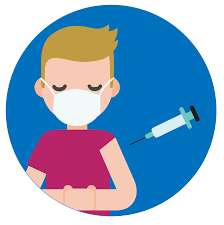
Staying current with vaccinations is critical for public health. Vaccines protect against various infectious diseases that can have severe consequences if contracted.
- Diseases Prevented: Vaccinations safeguard against illnesses such as influenza, hepatitis B, measles, mumps, rubella (MMR), among others.
- Catching Up: It's important to regularly review vaccination records especially if there has been a change in health status or travel plans that require additional immunizations.
ANNUAL HEALTH CHECK-UP
An annual health check-up is fundamental to maintaining overall wellness. It allows healthcare providers to detect potential health issues before they become serious problems.
- Purpose: These check-ups focus on preventive care, assessing risk factors that could lead to future health concerns.
- Components: A routine examination may include blood tests, cholesterol checks, BMI calculation, and discussions about lifestyle habits.
- Disease Prevention: Early detection can prevent conditions such as heart disease or cancer by identifying warning signs early on while proactive measures can be put in place.
- Counseling: Consultations during these visits provide personalized guidance on nutrition and exercise tailored to individual needs.
Committing to an annual check-up can greatly enhance your chances of leading a longer and healthier life through ongoing preventative measures.
DIABETES SCREENING
Diabetes is a chronic condition characterized by elevated blood sugar levels. Regular screening is vital for early detection, allowing better management and preventing complications.
- Causes: Factors include genetics, obesity, inactivity, and poor diet which can increase the risk of developing diabetes.
- Symptoms: Common signs include increased thirst, frequent urination, fatigue, and blurred vision — though early-stage diabetes may present no symptoms at all.
- Diagnosis: Fasting glucose tests or HbA1c tests are standard methods for determining diabetes status.
- Treatment/Management: A combination of dietary changes, physical activity, medication (when necessary), and regular monitoring of blood glucose levels is essential for managing diabetes effectively.
Timely screening can transform outcomes through proactive care in managing this prevalent condition.
HYPERTENSION MANAGEMENT
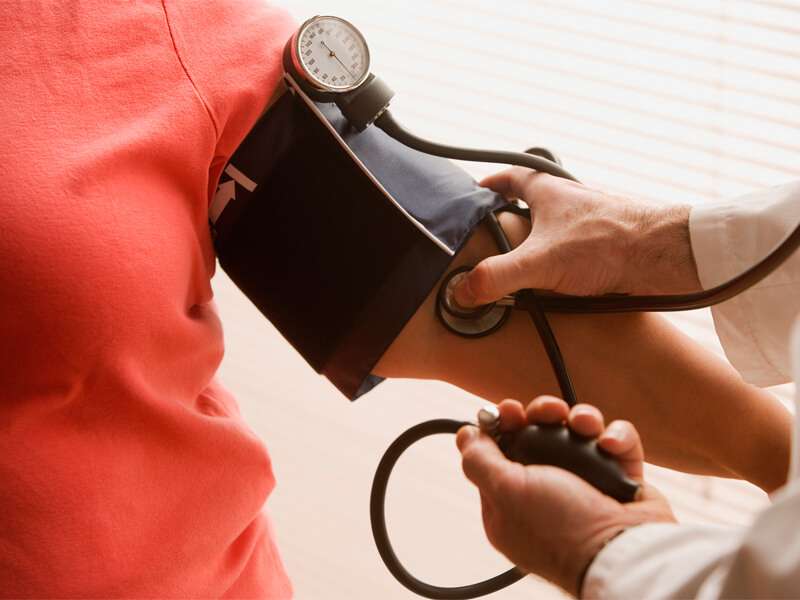
Hypertension, or high blood pressure, is a common condition affecting millions worldwide. It often goes unnoticed due to its lack of noticeable symptoms. Understanding its management is essential for long-term health.
- Symptoms: Most individuals may experience headaches, dizziness, or blurred vision; however, many remain asymptomatic.
- Diagnosis: Blood pressure readings are taken using a sphygmomanometer, with multiple readings necessary for an accurate diagnosis.
- Treatment Options: Lifestyle modifications — such as dietary changes and regular exercise — alongside medications like diuretics or ACE inhibitors are typically recommended.
- Monitoring: Regular check-ups help assess blood pressure levels and adjust treatment as necessary.
- Prevention: Maintaining a healthy weight, reducing salt intake, and minimizing alcohol consumption can significantly lower your risk.
Consistent management and lifestyle adjustments can lead to improved health outcomes for those affected by hypertension.