
Dr. Sarika Bajpai
About Me
Dr. Sarika Bajpai
MD
Diabetologist
10 Years Experience
Biography
My Clinic
OPD Hours
| Monday | Morning | 10:00 AM | - | 02:00 PM |
| Evening | 06:00 PM | - | 09:00 PM | |
| Tuesday | Morning | 10:00 AM | - | 02:00 PM |
| Evening | 06:00 PM | - | 09:00 PM | |
| Wednesday | Morning | 10:00 AM | - | 02:00 PM |
| Evening | 06:00 PM | - | 09:00 PM | |
| Thursday | Morning | 10:00 AM | - | 02:00 PM |
| Evening | 06:00 PM | - | 09:00 PM | |
| Friday | Morning | 10:00 AM | - | 02:00 PM |
| Evening | 06:00 PM | - | 09:00 PM | |
| Saturday | Morning | 10:00 AM | - | 02:00 PM |
| Evening | 06:00 PM | - | 09:00 PM | |
| Sunday | Morning | 10:00 AM | - | 02:00 PM |
| Evening | 06:00 PM | - | 09:00 PM |
Treatments
Specialised care and treatments offered
PRE-DIABETES INTERVENTION PROGRAMS
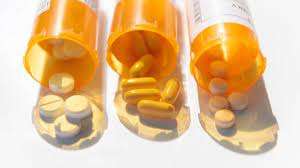
Pre-diabetes intervention programs play a vital role in preventing the onset of type 2 diabetes. These efforts aim at bringing awareness about risk factors associated with pre-diabetes while providing tools necessary for significant lifestyle modifications before full-blown diabetes manifests itself..
LIFESTYLE MODIFICATION PROGRAMS
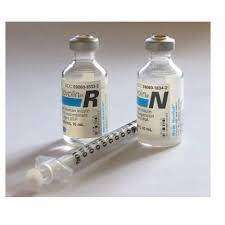
Lifestyle modification programs are essential components in managing diabetes effectively. These programs focus on behavioral changes related to diet and physical activity that help stabilize blood sugar levels over time.
- Individuals may experience increased weight gain or fatigue if lifestyle changes are not made promptly following a diabetes diagnosis.
- A thorough assessment helps identify personal barriers that affect healthy living habits during initial consultations with healthcare providers.
- Treatment plans typically involve structured meal planning combined with exercise regimens tailored to individual capabilities and preferences to ensure sustainability long-term
BLOOD SUGAR LEVEL TESTING
Regular blood sugar level testing is crucial for optimal diabetes management. It helps individuals understand how their body responds to food, activity, medications, and other factors affecting glucose levels.
- The presence of excessive thirst or frequent urination may highlight the need for monitoring blood sugar more closely.
- A diagnosis involves keeping track of fasting glucose numbers alongside post-meal readings taken at specific intervals throughout the day.
- Treatment strategies such as adjusting dietary intake or medication doses are often guided by these test results.
- Patiens will gain insights into how certain foods impact their glucose levels through consistent testing practices over time.
This practice reinforces self-awareness about health choices that influence one's condition significantly while facilitating timely interventions when necessary.
DIABETES SELF-MANAGEMENT EDUCATION (DSME)
Diabetes Self-Management Education (DSME) empowers individuals with the knowledge needed to manage their diabetes effectively. By understanding how lifestyle, diet, and medication influence their condition, patients can take charge of their health.
- Common symptoms that necessitate education might involve confusion regarding dietary choices or issues with blood sugar control.
- The DSME process starts with assessing the patient's current understanding and identifying gaps in knowledge regarding diabetes management.
- Management options taught during DSME include meal planning, carbohydrate counting, and recognizing symptoms of hypo- or hyperglycemia.
- Practicing new skills under guidance instills confidence in self-management techniques among patients.
This educational approach fosters a collaborative relationship between healthcare providers and patients, leading to better health outcomes overall.
INSULIN PUMP THERAPY
Insulin pump therapy is an advanced treatment option for diabetes management that delivers insulin continuously throughout the day. This method is particularly advantageous for individuals with type 1 diabetes who need precise control over their blood sugar levels.
- The primary symptom indicating the need for an insulin pump may include frequent high blood sugar readings or severe hypoglycemia episodes.
- Doctors often diagnose the suitability for pumps based on current treatment regimens and blood glucose patterns.
- This therapy allows for adjustable basal insulin rates depending on daily schedules and activities, improving flexibility and lifestyle integration.
- Patients usually find it easier to achieve target A1C levels with this treatment as it minimizes fluctuations in blood sugar.
Overall, insulin pump therapy can significantly enhance daily life by offering better flexibility while maintaining blood glucose within optimal ranges.
CONTINUOUS GLUCOSE MONITORING (CGM)
Continuous Glucose Monitoring (CGM) is a revolutionary technology for those managing diabetes. This system provides real-time insights into glucose levels, allowing patients to make informed decisions about their care.
- Symptoms of fluctuating blood sugar can include fatigue, irritability, and excessive thirst.
- Diagnosis typically involves regular monitoring of glucose levels through fingerstick tests and CGM systems.
- Treatment options include insulin therapy, dietary adjustments, and regular exercise; CGM helps in effectively managing these.
- Patients can expect insightful data displayed on their devices that indicate trends and patterns in their glucose levels.
- Using CGM can lead to improved control over diabetes and a better quality of life.
This technology signifies a shift towards proactive management in diabetes care, ultimately leading to enhanced patient outcomes.