
DR. SANJEEV MITTAL
About Me
DR. SANJEEV MITTAL
MBBS
General Physician
10 Years Experience
Biography
My Clinic
OPD Hours
| Monday | Morning | 10:00 AM | - | 02:00 PM |
| Evening | 06:00 PM | - | 09:00 PM | |
| Tuesday | Morning | 10:00 AM | - | 02:00 PM |
| Evening | 06:00 PM | - | 09:00 PM | |
| Wednesday | Morning | 10:00 AM | - | 02:00 PM |
| Evening | 06:00 PM | - | 09:00 PM | |
| Thursday | Morning | 10:00 AM | - | 02:00 PM |
| Evening | 06:00 PM | - | 09:00 PM | |
| Friday | Morning | 10:00 AM | - | 02:00 PM |
| Evening | 06:00 PM | - | 09:00 PM | |
| Saturday | Morning | 10:00 AM | - | 02:00 PM |
| Evening | 06:00 PM | - | 09:00 PM | |
| Sunday | Morning | 10:00 AM | - | 02:00 PM |
| Evening | 06:00 PM | - | 09:00 PM |
Treatments
Specialised care and treatments offered
GASTROESOPHAGEAL REFLUX DISEASE (GERD)
This chronic digestive condition occurs when stomach acid flows back into the esophagus. Understanding GERD can significantly improve quality of life through effective treatment options available today!
- Symptoms: The hallmark symptom includes frequent heartburn episodes; others may experience regurgitation or trouble swallowing.
- Diagnosis: A detailed history discussed alongside upper gastrointestinal endoscopy can confirm GERD diagnostic criteria.
- Treatment Options: Lifestyle modifications such as dietary changes paired with antacids or proton pump inhibitors help manage this disorder effectively.
- What To Expect: Catching early signs allows swift intervention elevating daily comfort levels substantially!
With proper adherence tailored plans aiming toward alleviating symptoms makes a world’s difference -- embrace better digestive health today!
THYROID DISORDER MANAGEMENT

The thyroid gland plays an essential role in regulating metabolism through hormone production. Thyroid disorders can cause various health issues if left unaddressed.
- Symptoms: Symptoms may vary widely depending on whether hormone production is too low (hypothyroidism) or too high (hyperthyroidism).
ASTHMA MANAGEMENT

Asthma is a chronic respiratory condition that affects patients' airways, leading to breathing difficulties. Effective management aims at controlling symptoms and minimizing attacks.
- Symptoms: Common symptoms include wheezing, coughing, chest tightness, and shortness of breath especially during physical activities or at night.
- Diagnosis: Diagnosis typically involves lung function tests including spirometry to assess airflow limitations.
- Treatment Options: Asthma management usually includes inhalers (both relievers and preventers) along with lifestyle modifications such as avoiding triggers like smoke or allergens.
- What to Expect: Regular follow-ups allow adjustments in treatment to ensure optimal control over asthma symptoms.
Coping with asthma effectively not only improves quality of life but also helps in reducing emergency situations related to severe attacks.
CHOLESTEROL MANAGEMENT
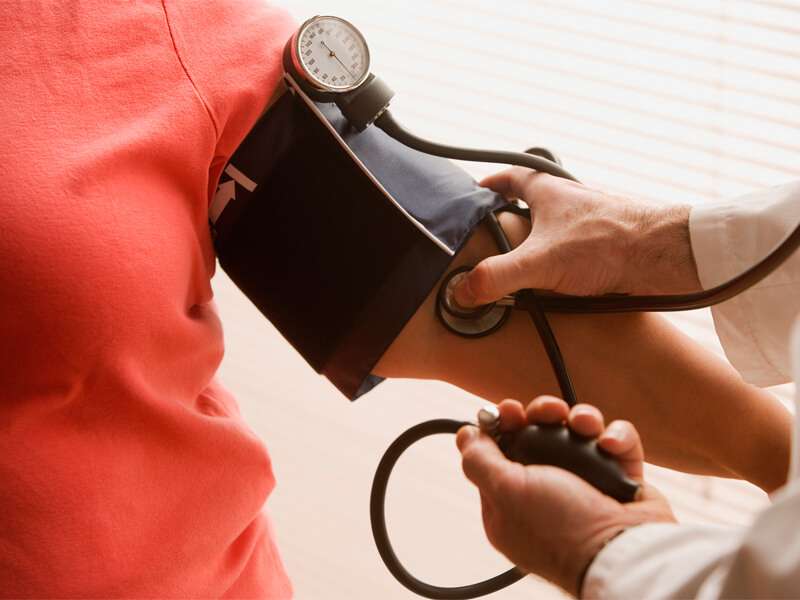
High cholesterol is a significant risk factor for cardiovascular diseases. Understanding how to manage cholesterol levels is crucial for heart health.
- Symptoms: High cholesterol typically presents no symptoms; hence screening through blood tests is essential.
- Diagnosis: A lipid panel test measures cholesterol levels in the bloodstream for accurate assessment.
- Treatment Options: Treatment may include lifestyle alterations such as a nutritious diet and regular physical activity along with medications like statins if necessary.
- What to Expect: Continuous monitoring of cholesterol levels can help in adjusting treatment protocols effectively over time.
A proactive approach towards managing cholesterol helps reduce the risk of heart disease significantly. Early intervention can make a difference!
DIABETES CARE

Diabetes is a chronic condition that occurs when the body cannot effectively use insulin or does not produce enough. It requires diligent management to prevent complications.
- Symptoms: Increased thirst, frequent urination, fatigue, and blurred vision are common signs of diabetes.
- Diagnosis: Blood tests such as fasting glucose tests help determine blood sugar levels for accurate diagnosis.
- Treatment Options: Management involves dietary changes, regular exercise, and possibly insulin therapy or other medications.
- What to Expect: Ongoing monitoring of blood sugar levels is necessary to maintain optimal health.
With effective management strategies, individuals with diabetes can lead healthy lives and mitigate the risks of associated complications.
HYPERTENSION MANAGEMENT

Hypertension, often referred to as high blood pressure, is a common condition affecting millions worldwide. It often develops over many years and can lead to serious health complications if left untreated.
- Symptoms: Many individuals with hypertension may not experience noticeable symptoms initially, making regular check-ups vital.
- Diagnosis: Diagnosis usually involves measuring blood pressure using a sphygmomanometer during routine visits.
- Treatment Options: Management includes lifestyle changes such as diet and exercise, alongside medications like diuretics or ACE inhibitors.
- What to Expect: Regular monitoring and follow-ups are essential in managing hypertension effectively.
Successful management of hypertension can drastically reduce the risk of heart disease and stroke, ensuring better long-term health outcomes.