
Dr. Sanjeev Kumar
About Me
Dr. Sanjeev Kumar
MS
Cardiothorocic Surgeon
10 Years Experience
Biography
My Clinic
OPD Hours
| Monday | Morning | 10:00 AM | - | 02:00 PM |
| Evening | 06:00 PM | - | 09:00 PM | |
| Tuesday | Morning | 10:00 AM | - | 02:00 PM |
| Evening | 06:00 PM | - | 09:00 PM | |
| Wednesday | Morning | 10:00 AM | - | 02:00 PM |
| Evening | 06:00 PM | - | 09:00 PM | |
| Thursday | Morning | 10:00 AM | - | 02:00 PM |
| Evening | 06:00 PM | - | 09:00 PM | |
| Friday | Morning | 10:00 AM | - | 02:00 PM |
| Evening | 06:00 PM | - | 09:00 PM | |
| Saturday | Morning | 10:00 AM | - | 02:00 PM |
| Evening | 06:00 PM | - | 09:00 PM | |
| Sunday | Morning | 10:00 AM | - | 02:00 PM |
| Evening | 06:00 PM | - | 09:00 PM |
Treatments
Specialised care and treatments offered
PERIPHERAL VASCULAR STUDY
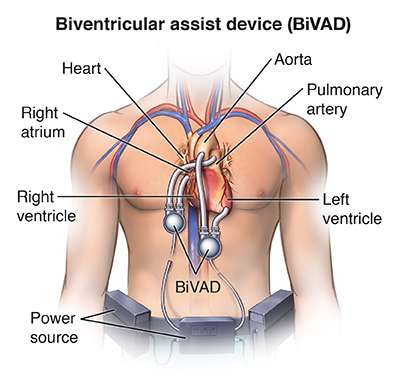
A peripheral vascular study evaluates blood flow in arms and legs utilizing non-invasive ultrasound technology. It’s crucial for determining issues related to peripheral artery disease (PAD) affecting circulation outside central areas like the brain/heart itself - helping identify potential plaque build-up narrowing pathways overtime amongst affected individuals!
- Poor circulation symptoms might comprise cramping/pain while walking long distances due inadequate oxygen delivery associated with blockages present throughout vascular networks supplying extremities involved here!
- Your physician typically recommends initial blood tests coupled along other diagnostics confirming suspected concerns leading up towards scheduling follow-ups thereafter once preliminary screening processes conclude favorably to ensure precise outcomes reached together!
- If diagnosed positively requiring treatment modalities exist—it ranges anywhere from engaging supervised exercise programs targeting lower limb strength enhancement alongside prescribed statins if required plus lifestyle alterations recommended overall improving metabolic health holistically across each affected area located outside central body regions themselves lots preventative measures needed!
- P Atient experiences usually entail brief pre-exam consultations encompassing familiarity reasons behind taking part overall whilst ensuring proper attire present easily accommodating movements made necessary activating arterial structures assessed efficiently too! Stay confident knowing following up quickly accessing necessary intervention routes becomes available rapidly thereafter!
This comprehensive evaluation serves as key indicators assisting specialists aiding prompt decision-making regarding further interventions aimed at restoring optimal circulatory functionality post-haste over longer durations !
STRESS TESTING
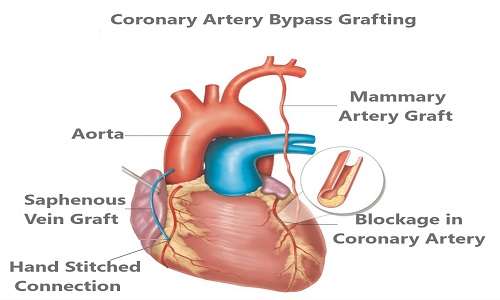
A stress test evaluates how well your heart functions under physical exertion. This assessment can help diagnose conditions like coronary artery disease by closely monitoring how the heartbeat responds to increased workload levels during exercise or medication-induced stressors.
- Pain during exertion or unusual shortness of breath may prompt further investigation through this type of testing.
- Your doctor will typically perform an initial evaluation that may include an electrocardiogram (ECG) before proceeding with exercise testing protocols on a treadmill or stationary bike.
- If issues are identified during testing, treatment choices could include referral for additional diagnostics like angiography or medical therapy adjustments based on exercise tolerance observed during testing sessions.
- You can expect thorough instructions prior to your appointment regarding preparation steps needed for accurate results post-test completion timeframe varies depending on individual circumstances involved with each patient's response rate after completing their assigned activities successfully!
This vital evaluation tool helps understand cardiovascular performance under stress conditions—leading toward appropriate preventative measures against serious cardiac events down the line!
CARDIAC MRI
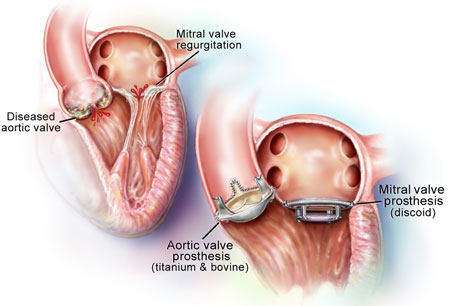
A cardiac MRI is a highly specialized imaging test that provides detailed images of the heart's structure and function using magnetic fields and radio waves. It's particularly useful in assessing complex cases where other tests may not provide conclusive information.
- This examination helps diagnose symptoms related to heart diseases, including cardiomyopathy and congenital heart defects.
- Typically suggested when echocardiograms yield inconclusive results, this test captures movement and magnetic signals from the heart muscle itself.
- Treatment following an MRI might involve targeted patient therapies based on specific findings derived from these images.
- The procedure is painless; however, patients may need assistance with emotional comfort during longer scans as they lie still within the scanner tube.
The insights gained from cardiac MRIs can significantly influence management plans for various cardiac conditions.
CT ANGIOGRAPHY
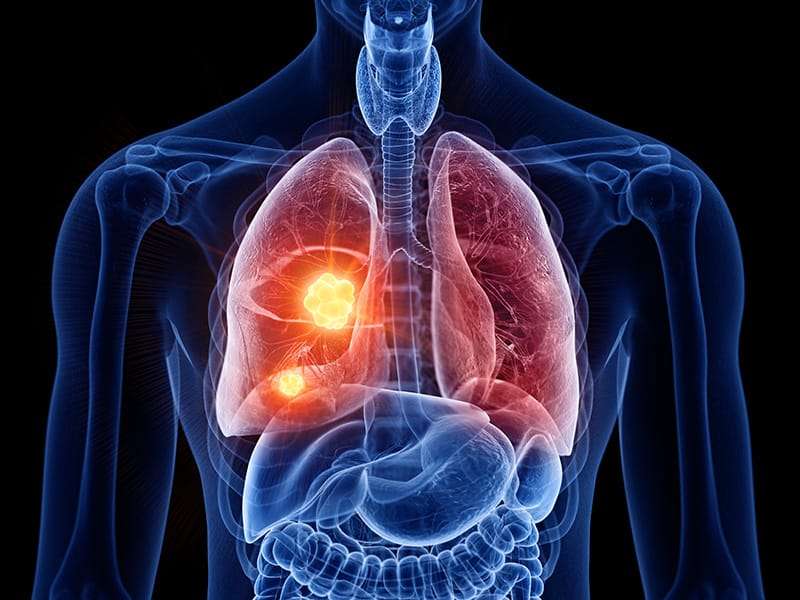
CT angiography is a modern imaging technique that combines computed tomography with an injection of contrast material to visualize blood vessels. This advanced method aids in identifying blockages or other vascular problems quickly and effectively.
- Common symptoms prompting this test include chest pain or signs indicative of stroke.
- A healthcare provider will usually recommend this test based on initial examination findings and risk factors.
- Treatment might involve monitoring over time, lifestyle modifications, or interventional procedures depending on what is found during imaging.
- The patient experience includes minimal discomfort during the scan followed by quick retrieval of images that inform treatment pathways.
This diagnostic tool has become increasingly important in cardiothoracic evaluation due to its speed and accuracy in detecting cardiovascular conditions.
ECHOCARDIOGRAM
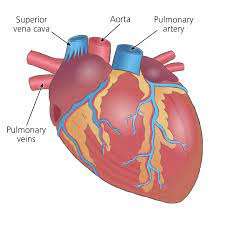
An echocardiogram is a non-invasive imaging technique that uses sound waves to create detailed pictures of the heart. It provides valuable information regarding the structure and function of the heart muscles and valves.
- This test can reveal symptoms such as abnormal heart rhythms, swelling in legs, or unexplained fatigue.
- Diagnosis often involves both resting and stress echocardiograms performed in specialized clinics.
- Treatment options may include medications for managing conditions detected through echocardiograms or surgical interventions for more severe issues.
- Post-procedure expectations generally include some waiting time for results, which will guide further management decisions.
Echocardiography plays a critical role in assessing cardiac health and directing appropriate therapies for patients.
CORONARY ANGIOGRAPHY
Coronary angiography is a diagnostic procedure used to visualize the blood vessels of the heart. This method helps determine if there are any blockages or abnormalities that could lead to heart disease.
- Symptoms may include chest pain, shortness of breath, or fatigue during physical activity.
- The diagnosis typically involves imaging tests such as angiograms, where a contrast dye is injected into the coronary arteries.
- Treatment options can range from lifestyle changes and medication to procedures like angioplasty or bypass surgery if significant blockages are found.
- Patients should expect to undergo some pre-procedure tests, and after the procedure, close monitoring will occur to ensure recovery.
Overall, this procedure is essential for understanding heart health and planning appropriate treatment strategies.