
Dr. Sanjay Pandey
About Me
Dr. Sanjay Pandey
MS
Orthopaedic Surgeons
10 Years Experience
Biography
My Clinic
OPD Hours
| Monday | Morning | 10:00 AM | - | 02:00 PM |
| Evening | 06:00 PM | - | 09:00 PM | |
| Tuesday | Morning | 10:00 AM | - | 02:00 PM |
| Evening | 06:00 PM | - | 09:00 PM | |
| Wednesday | Morning | 10:00 AM | - | 02:00 PM |
| Evening | 06:00 PM | - | 09:00 PM | |
| Thursday | Morning | 10:00 AM | - | 02:00 PM |
| Evening | 06:00 PM | - | 09:00 PM | |
| Friday | Morning | 10:00 AM | - | 02:00 PM |
| Evening | 06:00 PM | - | 09:00 PM | |
| Saturday | Morning | 10:00 AM | - | 02:00 PM |
| Evening | 06:00 PM | - | 09:00 PM | |
| Sunday | Morning | 10:00 AM | - | 02:00 PM |
| Evening | 06:00 PM | - | 09:00 PM |
Treatments
Specialised care and treatments offered
CARPAL TUNNEL RELEASE SURGERY
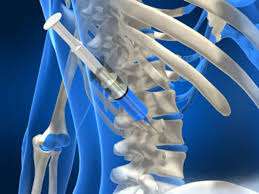
Carpal tunnel release surgery aims to relieve pressure on the median nerve caused by carpal tunnel syndrome. This condition results from compression within the wrist area altering sensation and functionality in hand use significantly when left untreated.
- Pain, numbness, tingling sensations in fingers especially at night are common symptoms exhibited by patients diagnosed with this disorder
- Diagnosis procedures commonly entail patient history discussions alongside nerve conduction studies assessing electrical impulses affecting median nerve dynamics
- Surgical options could involve open release techniques where incision permits access through rectangle-shaped incision allowing decompression away from surrounding structures causing irritation
- Patients should anticipate varying healing timelines involving occupational therapy recommendations focusing on wrist exercises enhancing mobility once sensation returns fully post-surgery
Through timely treatment like carpal tunnel releases ultimately fosters functional recovery whereby those affected resume essential day-to-day tasks unimpededly
ANKLE ARTHROSCOPY
Ankle arthroscopy is a minimally invasive surgical technique used for diagnosing and treating various ankle problems. Utilizing small incisions allows surgeons to view the joint interior while minimizing damage to surrounding tissues.
- Main symptoms prompting this procedure may include persistent ankle swelling, pain during movement, or catching sensations within the joint.
- The diagnosis process often incorporates detailed assessments along with advanced imaging such as X-rays or MRIs if necessary for clarity regarding ligamentous injuries or cartilage damage.
- Treatment undertaken might involve repairing torn ligaments, removing loose fragments within the joint area, or smoothing out any roughened cartilage surfaces causing discomfort.
- A structured rehabilitation program following surgery ensures restoration of full range motion alongside strength training protocols tailored specifically for recovery needs post-procedure
This intervention provides significant relief and accelerates return towards regular activity levels without enduring complications associated with traditional surgical methods.
SPINAL FUSION SURGERY

Spinal fusion surgery is designed to correct problems related to unstable vertebrae. This procedure permanently joins two or more vertebrae together, which can help alleviate back pain and improve stability in cases of degenerative disc disease or scoliosis.
- Symptoms may manifest as chronic lower back pain, numbness radiating down extremities, or muscle weakness due to nerve compression.
- A diagnosis often involves comprehensive reviews which include patient history, neurological assessments, along with CT scans or MRIs for detailed imaging insights.
- The surgical approach entails using bone grafts alongside metal plates or screws to stabilize spinal segments while healing occurs over time.
- Postoperative expectations involve close monitoring during initial recovery phases followed by physiotherapy aimed at enhancing core strength gradually as mobility improves.
This intervention can markedly enhance patients' overall quality of life by stabilizing their spine effectively against painful conditions.
ROTATOR CUFF REPAIR

A rotator cuff repair addresses tears or injuries in the shoulder's rotator cuff tendons. The rotator cuff plays a crucial role in shoulder stability and movement; thus, injuries can severely impact daily activities.
- Symptoms often include shoulder pain, weakness in arm lifting, and difficulty sleeping on the affected side.
- Diagnosis usually includes thorough physical assessments coupled with MRI scans or ultrasounds for precise imaging of the injury location.
- Surgical management involves reattaching torn tendons back onto the bone through arthroscopic techniques or open repairs depending on severity.
- Recovery typically requires physical therapy focused on regaining strength and mobility over several months post-operation.
The timely intervention greatly aids in restoring shoulder function and alleviating discomfort caused by rotator cuff injuries.
TOTAL HIP REPLACEMENT

Total hip replacement is a surgical procedure that replaces the damaged hip joint with an artificial implant. It is typically performed on individuals suffering from severe arthritis or hip fractures that affect mobility.
- The primary indications for this surgery are persistent pain and reduced function despite other treatments.
- A thorough evaluation including physical examinations and imaging studies helps determine eligibility for surgery.
- The procedure involves removing the damaged bone and cartilage before inserting the new prosthetic components securely into place.
- After surgery, patients generally follow a tailored rehabilitation plan focusing on gradual movement restoration and strengthening exercises.
This procedure can significantly improve quality of life by relieving pain and enhancing mobility.
ARTHROSCOPIC KNEE SURGERY

Arthroscopic knee surgery is a minimally invasive procedure used to diagnose and treat various knee joint issues. This technique involves small incisions and the use of a camera, allowing for quicker recovery times and less pain.
- Common symptoms include chronic knee pain, swelling, and limited mobility or stiffness.
- Diagnosis often involves physical exams, MRI scans, and X-rays to assess the extent of injury or degeneration.
- Treatment options may range from repair of torn ligaments to removal of damaged cartilage using specialized instruments.
- Post-surgery, patients can expect a structured rehabilitation program to restore strength and flexibility.
This innovative approach offers a faster return to daily activities compared to traditional open surgery.