
DR. Sanjay Gaur
About Me
DR. Sanjay Gaur
MD
Cardiologist
10 Years Experience
Biography
My Clinic
OPD Hours
| Monday | Morning | 10:00 AM | - | 02:00 PM |
| Evening | 06:00 PM | - | 09:00 PM | |
| Tuesday | Morning | 10:00 AM | - | 02:00 PM |
| Evening | 06:00 PM | - | 09:00 PM | |
| Wednesday | Morning | 10:00 AM | - | 02:00 PM |
| Evening | 06:00 PM | - | 09:00 PM | |
| Thursday | Morning | 10:00 AM | - | 02:00 PM |
| Evening | 06:00 PM | - | 09:00 PM | |
| Friday | Morning | 10:00 AM | - | 02:00 PM |
| Evening | 06:00 PM | - | 09:00 PM | |
| Saturday | Morning | 10:00 AM | - | 02:00 PM |
| Evening | 06:00 PM | - | 09:00 PM | |
| Sunday | Morning | 10:00 AM | - | 02:00 PM |
| Evening | 06:00 PM | - | 09:00 PM |
Treatments
Specialised care and treatments offered
CARDIAC REHABILITATION PROGRAM

A cardiac rehabilitation program is designed specifically for individuals recovering from cardiovascular events or surgeries. Engaging in this structured program improves recovery outcomes significantly while promoting long-term health benefits where patients re-establish active lifestyles post-injury/infarction safely again under professional guidance intermittently!
- Benefits: Participating offers several advantages like improved physical fitness; psychosocial enhancements ; dietary advice yielding progressive adaptation routes generating resilience!
- Phases involved:< / strong Appears subdivided into three core phases focusing timed specific skills progressively cultivating confidence mirrored alongside positivity allowing endurance growth gradually engineered-paced sessions facilitating discussions mutually enhancing outlook perspectives anew .
HEART FAILURE EDUCATION
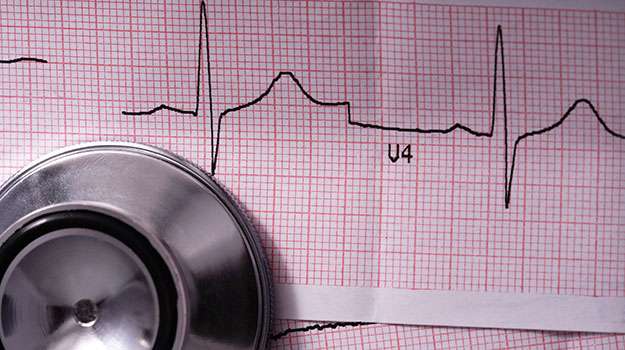
An ongoing condition known as heart failure occurs when the heart cannot pump enough blood to meet the body’s needs. This complex syndrome requires careful management and education about self-care strategies for affected individuals.
- Symptoms: Main signs include shortness of breath during routine activities or while lying down; swelling in various parts; fatigue; rapid weight gain due fluid retention among others.
- Causes: Heart failure can result from earlier conditions like coronary artery disease; recurrent myocardial infarctions along with long-standing hypertension impacting its functionality adversely.Grouping targeting specific patient segments influences efficient larger scale implementations focusing design toward patient self-management.
- Diagnosis: Various methods exist including echocardiography,laboratory tests aiming at biomarkers ectocollectively helping physicians classify severity grades accordingly
- Treatment Options: Therapies exist ranging from pharmacotherapy regimens aimed achieving optimal endpoints coupled possibly device-based interventions within more advanced stages ensuring meaningful results finally needing subspecialty referrals depending urgency demands alongside multidisciplinary discourses.
Living well with heart failure involves actively engaging in self-care while navigating connected pathways establishing support systems reinforcing positive outcomes around educational tools available.
CORONARY ARTERY DISEASE SCREENING
The presence of coronary artery disease (CAD) signifies that there could be blockages in the arteries supplying blood to the heart muscle. Early detection through screening remains critical in preventing serious outcomes such as heart attacks.
- Main causes:This condition primarily arises from arteriosclerosis due to risk factors like high blood pressure, diabetes mellitus, obesity, smoking habits, and sedentary lifestyle choices.
ATRIAL FIBRILLATION (AFIB) MANAGEMENT
Atrial fibrillation is an irregular heartbeat that can lead to various complications if not properly managed. It's important to recognize this condition early for effective treatment.
- Symptoms: Some individuals may experience palpitations, dizziness, shortness of breath, or fatigue during episodes.
- Causes: Common triggers include hypertension, heart disease, excessive alcohol consumption, or underlying lung conditions.
- Diagnosis: Diagnosis is typically made through an electrocardiogram (ECG), which records the electrical activity of the heart during sinus rhythm disturbances.
- Treatment options: AFib management may include medications to control the heartbeat or anticoagulants to reduce stroke risk. In some cases, procedures such as cardioversion might be necessary.
If you have AFib or experience symptoms suggestive of this condition, seeking prompt medical attention is essential for effective management and care strategies tailored to your needs.
CHOLESTEROL SCREENING
Your cholesterol levels are vital indicators of heart health. High levels of LDL (low-density lipoprotein) cholesterol can increase the risk of cardiovascular diseases.
- Symptoms: High cholesterol typically does not present any overt signs; thus, regular screenings are essential for early detection.
- Causes: Contributing factors include poor diet, lack of exercise, obesity, smoking, and genetic predisposition.
- Diagnosis: A simple blood test known as a lipid panel measures total cholesterol levels and distinguishes between HDL (high-density lipoprotein) and LDL cholesterol types.
- Treatment options: Lifestyle modifications such as adopting a heart-healthy diet rich in fruits and vegetables, regular aerobic exercise, and possibly medication may be recommended depending on your lipid profile.
- What to expect: Regular check-ups can help track your cholesterol levels and ensure you stay within a healthy range.
Catching high cholesterol early through screening allows for timely intervention that can protect against future cardiovascular events.
HYPERTENSION MANAGEMENT
Hypertension, or high blood pressure, is a common condition that can lead to serious health complications if left unmanaged. It often has no symptoms but can cause damage to the heart and arteries over time.
- Symptoms: Many people with hypertension may not display noticeable symptoms until significant damage occurs, making it essential to monitor blood pressure regularly.
- Causes: Factors may include genetics, obesity, high salt intake, stress, and lack of physical activity. Understanding these factors is crucial for prevention.
- Diagnosis: Blood pressure is measured using a sphygmomanometer. Multiple readings are often taken over time to confirm a diagnosis.
- Treatment options: Lifestyle changes such as diet improvement, regular exercise, and weight management are foundational. Medications may also be prescribed based on individual needs.
- What to expect: Regular monitoring is important for managing hypertension effectively and preventing complications like heart disease and stroke.
Maintaining your blood pressure within normal ranges can significantly enhance your quality of life and reduce the risk of severe health issues.