
Dr. Sanjai Mishra
About Me
Dr. Sanjai Mishra
MS
General Surgeons
10 Years Experience
Biography
My Clinic
OPD Hours
| Monday | Morning | 10:00 AM | - | 02:00 PM |
| Evening | 06:00 PM | - | 09:00 PM | |
| Tuesday | Morning | 10:00 AM | - | 02:00 PM |
| Evening | 06:00 PM | - | 09:00 PM | |
| Wednesday | Morning | 10:00 AM | - | 02:00 PM |
| Evening | 06:00 PM | - | 09:00 PM | |
| Thursday | Morning | 10:00 AM | - | 02:00 PM |
| Evening | 06:00 PM | - | 09:00 PM | |
| Friday | Morning | 10:00 AM | - | 02:00 PM |
| Evening | 06:00 PM | - | 09:00 PM | |
| Saturday | Morning | 10:00 AM | - | 02:00 PM |
| Evening | 06:00 PM | - | 09:00 PM | |
| Sunday | Morning | 10:00 AM | - | 02:00 PM |
| Evening | 06:00 PM | - | 09:00 PM |
Treatments
Specialised care and treatments offered
LAPAROSCOPIC SURGERY
Laparoscopic surgery utilizes small incisions and camera technology enabling minimally invasive operations across numerous conditions—from hernias to matters relating directly involving reproductive organs! This approach provides benefits throughout patient care journeys!
THYROID SURGERY

Surgical intervention on the thyroid gland becomes necessary in cases where nodules cause concern or when hyperthyroidism becomes unmanageable through medication. Familiarizing oneself with these procedures promotes understanding and reduces anxiety around them!
- Persistent neck swelling accompanied by difficulty breathing or swallowing can indicate thyroid issues potentially requiring surgery—these are important symptoms.
- A thorough examination supported by blood work evaluating hormone levels along with ultrasound imaging serves as diagnostic measures for thyroid abnormalities leading towards potential surgery recommendations!
- The main surgical procedures involve partial (lobectomy) or total thyroidectomy based upon pathology results determined pre-operatively regarding benign vs malignant conditions!
BOWEL RESECTION
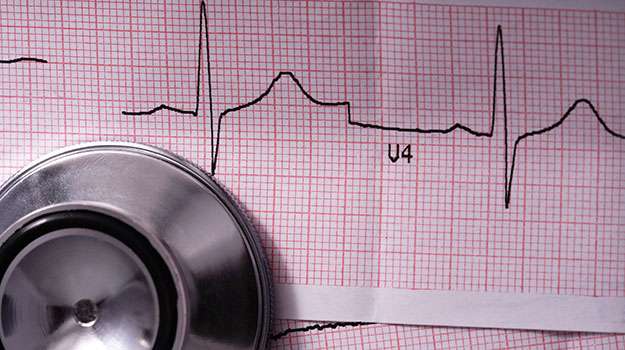
Bowel resection involves surgically removing a portion of the intestine due to conditions such as cancer, diverticulitis, or severe injuries. Understanding this procedure can help patients feel more comfortable about what lies ahead during their treatment journey.
- Symptoms indicating potential need for surgery might involve chronic abdominal pain, unexplained weight loss, and changes in bowel habits such as diarrhea or constipation.
- Diagnosis usually entails a combination of imaging studies like CT scans along with colonoscopy findings based on clinical evaluation.
- Treatment focuses on surgically excising the affected section of the bowel while ensuring surrounding areas remain healthy; this could involve reattachment procedures when possible!
- The operation can be conducted open or laparoscopically depending on the case's complexity and patient's overall health status.
Your recovery will vary based on individual factors including prior health status but keeping clear communication with your surgical team aids in smooth rehabilitation following bowel resection!
GALLBLADDER REMOVAL (CHOLECYSTECTOMY)
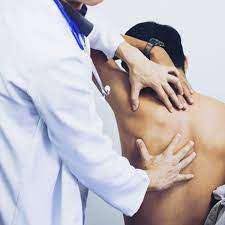
The gallbladder stores bile, but issues such as gallstones can cause pain and digestive problems. Removal of the gallbladder may be necessary if these stones lead to complications like inflammation or blockage.
- Common symptoms of gallbladder issues include intense abdominal pain, especially after fatty meals, along with nausea and vomiting.
- A healthcare provider diagnoses gallbladder conditions using ultrasounds and blood tests to assess liver function and check for inflammation.
- The standard treatment is a cholecystectomy, which involves removing the gallbladder either via laparoscopic or open surgery techniques.
- This procedure is generally safe but does have risks that will be discussed prior to treatment.
- Post-surgery recovery allows most patients to resume regular diets after some initial adjustments are made regarding fat intake.
If you experience persistent symptoms related to your gallbladder, seeking medical advice early is crucial for effective management.
APPENDECTOMY
Appendicitis is an inflammation of the appendix that often requires prompt surgical intervention. If left untreated, it can lead to a rupture and serious infection. Understanding this condition is vital for timely treatment.
- Main symptoms include abdominal pain, fever, nausea, and loss of appetite.
- A physical exam alongside imaging tests like an ultrasound or CT scan helps confirm the diagnosis.
- The primary treatment for appendicitis is an appendectomy, which may be performed through open surgery or laparoscopically.
- Antibiotics are often prescribed before and after surgery to manage infection risk.
- The recovery process typically spans several days to weeks, with many patients returning to normal activities quickly post-surgery.
Timeliness in addressing these symptoms ensures better outcomes and diminishes risks associated with complications from untreated appendicitis.
HERNIA REPAIR
A hernia occurs when an organ pushes through an opening in the muscle or tissue that holds it in place. This condition can happen in various areas of the body, but most commonly affects the abdomen. It is essential to seek treatment as hernias can lead to serious complications.
- Symptoms may include a noticeable bulge, pain or discomfort especially when lifting, and a feeling of heaviness.
- The diagnosis typically involves a physical examination and may require imaging tests such as an ultrasound or CT scan.
- Treatment options include watchful waiting for mild cases, while surgical repair is recommended for larger or painful hernias.
- Surgery can be performed using traditional open techniques or minimally invasive laparoscopic methods.
- After surgery, patients usually recover within a few weeks and are advised to avoid strenuous activities during healing.
Timely intervention can prevent complications such as incarceration or strangulation of the affected tissue, making it crucial to consult with a specialist if symptoms arise.