
Dr. Ruchir Dhawan
About Me
Dr. Ruchir Dhawan
MS
Cardiothorocic Surgeon
10 Years Experience
Biography
My Clinic
OPD Hours
| Monday | Morning | 10:00 AM | - | 02:00 PM |
| Evening | 06:00 PM | - | 09:00 PM | |
| Tuesday | Morning | 10:00 AM | - | 02:00 PM |
| Evening | 06:00 PM | - | 09:00 PM | |
| Wednesday | Morning | 10:00 AM | - | 02:00 PM |
| Evening | 06:00 PM | - | 09:00 PM | |
| Thursday | Morning | 10:00 AM | - | 02:00 PM |
| Evening | 06:00 PM | - | 09:00 PM | |
| Friday | Morning | 10:00 AM | - | 02:00 PM |
| Evening | 06:00 PM | - | 09:00 PM | |
| Saturday | Morning | 10:00 AM | - | 02:00 PM |
| Evening | 06:00 PM | - | 09:00 PM | |
| Sunday | Morning | 10:00 AM | - | 02:00 PM |
| Evening | 06:00 PM | - | 09:00 PM |
Treatments
Specialised care and treatments offered
THORACIC ENDOVASCULAR AORTIC REPAIR (TEVAR)
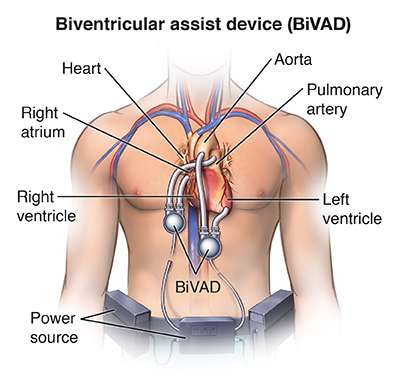
TEVAR is an advanced minimally invasive technique designed for repairing thoracic aortic aneurysms using stent grafts delivered via catheters through small incisions. This approach significantly reduces recovery time compared to open surgery methods while effectively managing high-risk patients.
- Symptoms often resemble those associated with other cardiovascular disorders including sudden chest pain radiating towards the back signaling possible imminent rupture needing quick intervention; many scenarios present asymptomatically until acute events occur.
- Diagnosis typically entails imaging via CT scanning confirming anatomical details crucially necessary before proceeding into interventions outlined.
- Management solely depends on various factors influencing individual presentations; TEVAR provides an excellent alternative minimizing morbidity risk significantly while ensuring rapid return towards normalcy during outpatient follow-ups thereafter!.
- In contrast with traditional open repairs requiring extensive recuperation times afterwards—patients undergoing TEVAR report shorter stays potentially enabling quicker reintegration into their routines without unnecessary interruptions limiting prior lifestyles
Following such interventions results yield markedly promising prospects enhancing longevity paired alongside evident lifestyle adjustments implemented post-op!.
HEART TRANSPLANTATION
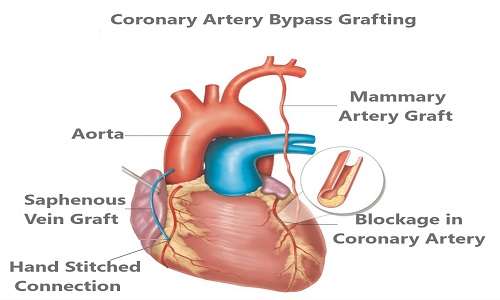
A heart transplant is a complex procedure performed on patients suffering from end-stage heart failure caused by various cardiac conditions. It involves replacing the diseased heart with a healthy donor organ to restore normal function.
- Typical symptoms prompting consideration for transplant include severe fatigue, fluid retention, arrhythmias, and diminished exercise capacity due to heart failure symptoms not responding well to medical therapy.
- A comprehensive evaluation including blood tests and imaging studies determines eligibility for transplant candidates based on specific criteria set by transplant centers.
- Post-transplant care focuses on immunosuppressive medication adherence along with regular follow-ups to monitor organ acceptance.
- The recovery period varies among patients but generally includes rigorous rehabilitation protocols leading towards resuming daily activities effectively.
This life-saving intervention has remarkable success rates with proper follow-up care considerably boosting quality-adjusted lifespan for recipients.
LUNG RESECTION SURGERY
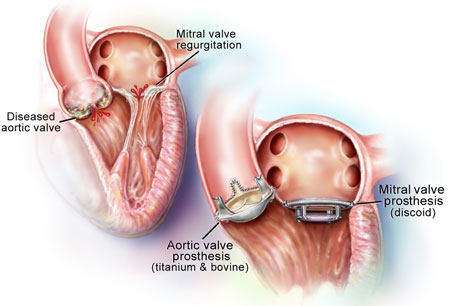
Lung resection surgery involves removing part or all of a lung affected by disease such as cancer. The intent behind this surgery is primarily therapeutic and aims at preserving lung function while eliminating malignancy.
- Sufferers may experience symptoms like chronic cough, unexplained weight loss, or coughing up blood—indicators warranting further investigation.
- A diagnosis is confirmed through imaging tests like chest X-rays followed by biopsies to ascertain cancer presence and type.
- Treatment often necessitates not just surgical intervention but may also include chemotherapy following resection based on tumor staging.
- The postoperative care involves pain management and respiratory therapy to aid healing and restore lung capacity quickly.
AORTIC ANEURYSM REPAIR
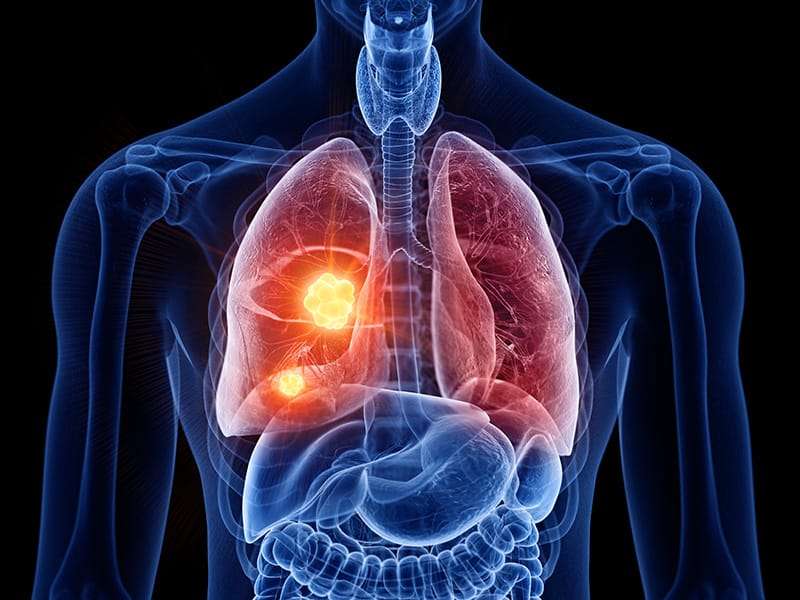
An aortic aneurysm occurs when a weakened area in the wall of the aorta bulges outwards; this condition can lead to serious complications if not treated promptly. Surgical intervention is crucial for preventing rupture.
- Symptoms may include sudden back or chest pain, which signals urgent medical attention; however, many aneurysms are asymptomatic until they rupture.
- Aneurysms are diagnosed using imaging techniques such as ultrasound or CT scans which confirm size and location.
- Treatment options include open surgical repair or endovascular aneurysm repair (EVAR), both aimed at reinforcing the arterial wall.
- Surgery typically requires hospitalization with follow-up assessments essential for monitoring recovery progress.
- The prognosis after successful surgery is generally favorable but requires long-term lifestyle modifications for optimal health outcomes.
This procedure significantly reduces catastrophic risks associated with aneurysms while enhancing overall cardiovascular health.
VALVULAR HEART SURGERY
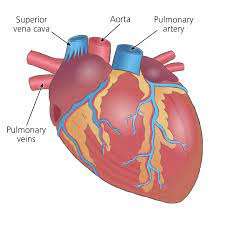
Valvular heart surgery addresses issues related to the heart valves that regulate blood flow through the heart. Problems may arise from degeneration or infection leading to stenosis or regurgitation.
- Common symptoms include fatigue, swollen ankles, irregular heartbeat, and difficulty breathing.
- A thorough evaluation often includes echocardiograms and stress tests to assess valve function and severity of symptoms.
- Treatment options vary from surgical repair or replacement of the damaged valve to less invasive catheter-based procedures.
- Patients undergoing surgery usually require an overnight hospital stay followed by several weeks of recovery at home.
- The expected outcome post-surgery includes improved symptoms and enhanced overall heart function.
This surgery can significantly improve longevity and quality of life for affected individuals.
CORONARY BYPASS GRAFTING
Coronary bypass grafting is a surgical procedure aimed at improving blood flow to the heart. This operation is important for patients with severe coronary artery disease, where arteries become narrowed or blocked.
- Symptoms of coronary artery disease include chest pain, shortness of breath, and fatigue during physical activity.
- The diagnosis typically involves imaging tests such as angiography, which visualizes blood vessel blockages.
- Treatment may involve lifestyle changes, medications, and in severe cases, surgery like bypass grafting.
- During the procedure, a healthy blood vessel from another part of the body is used to create a bypass around the blocked artery.
- Post-surgery, patients can expect a hospital stay of several days and a recovery period that includes cardiac rehabilitation.
This treatment can significantly enhance quality of life and reduce risk of heart attack.