
Dr. Rashid Gufran
About Me
Dr. Rashid Gufran
MS
Orthopaedic Surgeons
10 Years Experience
Biography
My Clinic
OPD Hours
| Monday | Morning | 10:00 AM | - | 02:00 PM |
| Evening | 06:00 PM | - | 09:00 PM | |
| Tuesday | Morning | 10:00 AM | - | 02:00 PM |
| Evening | 06:00 PM | - | 09:00 PM | |
| Wednesday | Morning | 10:00 AM | - | 02:00 PM |
| Evening | 06:00 PM | - | 09:00 PM | |
| Thursday | Morning | 10:00 AM | - | 02:00 PM |
| Evening | 06:00 PM | - | 09:00 PM | |
| Friday | Morning | 10:00 AM | - | 02:00 PM |
| Evening | 06:00 PM | - | 09:00 PM | |
| Saturday | Morning | 10:00 AM | - | 02:00 PM |
| Evening | 06:00 PM | - | 09:00 PM | |
| Sunday | Morning | 10:00 AM | - | 02:00 PM |
| Evening | 06:00 PM | - | 09:00 PM |
Treatments
Specialised care and treatments offered
TENDINITIS
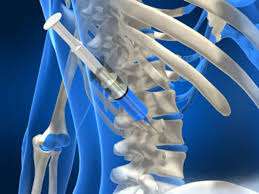
Tendinitis refers to inflammation or irritation of a tendon -the thick fibrous cords that attach muscle to bone. Commonly found in areas like elbows (tennis elbow), shoulders (rotator cuff tendinitis), knees (jumper's knee), it primarily affects those engaged in repetitive motions regularly.
- Symptoms generally comprise local tenderness around affected areas accompanied by swelling and occasional stiffness post-activity.
- Diagnosis typically relies upon patient histories followed by clinical assessments assessing movement limitations aided possibly by ultrasound if needed for confirmation purposes.
- Management strategies focus on relieving symptoms through rest combined with targeted exercise programs along prescribed medications oftentimes involving NSAIDs where applicable for optimal outcomes too!
- For stubborn cases requiring extra attention beyond mere exercises/symptom management surgical interventions remain an option depending upon severity observed over time due diligence taken beforehand!
Knowing about tendinitis facilitates better awareness among individuals regarding how best tackle this muscular issue timely ensuring returning swiftly back into action!
HIP IMPINGEMENT

PLANTAR FASCIITIS

This common foot condition results from inflammation of the plantar fascia — a thick band of tissue connecting your heel bone to your toes. It typically leads to sharp heel pain that worsens with first steps in the morning or after prolonged sitting.
- The key indicators include persistent heel pain that flares up during activity and discomfort after periods of inactivity. Swelling may also be present along the bottom of the foot.
- Differentiating plantar fasciitis from other conditions includes comprehensive diagnosis through patient history, physical examination focusing on foot flexibility, plus possible imaging tests if further investigation is needed.
- Treatment options may involve non-steroidal anti-inflammatory drugs (NSAIDs), physical therapy exercises designed to stretch the plantar fascia, orthotic devices for additional support, or corticosteroid injections for severe inflammation relief.
Easing symptoms effectively provides a pathway toward resuming normal activities without discomfort associated with plantar fasciitis.
STRESS FRACTURES

Stress fractures are small cracks in bones caused by repetitive force or overuse, often seen in athletes or those who increase their activity levels suddenly. They frequently occur in weight-bearing bones like the foot or lower leg.
- The primary symptom is localized pain that worsens with activity but improves with rest. There may also be tenderness at specific points along the bone.
- A thorough clinical evaluation, including patient history and physical examination, is essential for diagnosis. Imaging tests like X-rays may be used; however, MRI is more sensitive to detect stress fractures early.
- Treatment usually emphasizes resting the affected area, modifying activities to avoid further stress on the bone while allowing it to heal naturally.
- Rehabilitation exercises will often follow once initial healing has occurred to restore strength and flexibility safely.
A proactive approach to managing stress fractures ensures effective recovery and minimizes future risk of recurrence.
ROTATOR CUFF INJURY

A rotator cuff injury involves damage to the group of muscles and tendons that stabilize the shoulder. This condition can result from acute injuries or chronic wear associated with repetitive overhead movements.
- Symptoms typically manifest as shoulder pain, reduced strength, especially when lifting your arm, and sometimes swelling around the shoulder area.
- The diagnosis process often includes physical assessments, alongside imaging tests like ultrasounds or MRIs to evaluate muscle integrity.
- Treatment generally focuses on conservative measures, including physical therapy and anti-inflammatory medications. In certain cases, surgical repair may be necessary.
- Pain management strategies are also pivotal in recovery; many patients find relief through guided rehabilitation programs.
Understanding rotator cuff injuries is crucial for effective healing and recovery planning.
KNEE OSTEOARTHRITIS

Knee osteoarthritis is a degenerative joint condition that often affects older adults, characterized by the wear and tear of the cartilage in the knee joint. This condition can lead to pain, stiffness, and reduced mobility over time.
- Common symptoms include joint pain during activity, swelling, and a grating sensation when moving the knee.
- Diagnosis typically involves a combination of physical examinations, medical history reviews, and imaging studies such as X-rays or MRIs.
- Treatment options for knee osteoarthritis range from lifestyle modifications (like exercise and weight management) to medications for pain relief. In more severe cases, surgical interventions may be considered.
- Patients can expect a tailored approach based on severity, focusing on improving quality of life through both non-surgical and surgical methods.
Being informed about knee osteoarthritis helps individuals seek timely intervention and manage their symptoms effectively.