
Dr. Ramesh Thakur
About Me
Dr. Ramesh Thakur
MD
Cardiologist
10 Years Experience
Biography
My Clinic
OPD Hours
| Monday | Morning | 10:00 AM | - | 02:00 PM |
| Evening | 06:00 PM | - | 09:00 PM | |
| Tuesday | Morning | 10:00 AM | - | 02:00 PM |
| Evening | 06:00 PM | - | 09:00 PM | |
| Wednesday | Morning | 10:00 AM | - | 02:00 PM |
| Evening | 06:00 PM | - | 09:00 PM | |
| Thursday | Morning | 10:00 AM | - | 02:00 PM |
| Evening | 06:00 PM | - | 09:00 PM | |
| Friday | Morning | 10:00 AM | - | 02:00 PM |
| Evening | 06:00 PM | - | 09:00 PM | |
| Saturday | Morning | 10:00 AM | - | 02:00 PM |
| Evening | 06:00 PM | - | 09:00 PM | |
| Sunday | Morning | 10:00 AM | - | 02:00 PM |
| Evening | 06:00 PM | - | 09:00 PM |
Treatments
Specialised care and treatments offered
DIABETES-RELATED HEART HEALTH MONITORING

The intersection of diabetes and cardiovascular health necessitates vigilant monitoring due to the increased risk posed by diabetes. Poorly controlled blood sugar levels can lead directly to heart disease if not managed appropriately.
- People with diabetes often experience higher rates of hypertension or high cholesterol levels which exacerbate their risks
- Diagnosis involves regular checks on blood sugar levels along with lipid profiles
- Management strategies emphasize strict glycemic control along with lifestyle modifications including regular exercise
- Nutrition plays a critical role too; focusing on a balanced diet helps prevent fluctuations in both blood sugar and cholesterol levels
With diligent care plans tailored specifically to individual needs—diabetes-related cardiac risks can be mitigated effectively leading towards healthier outcomes overall!
CONGESTIVE HEART FAILURE MANAGEMENT
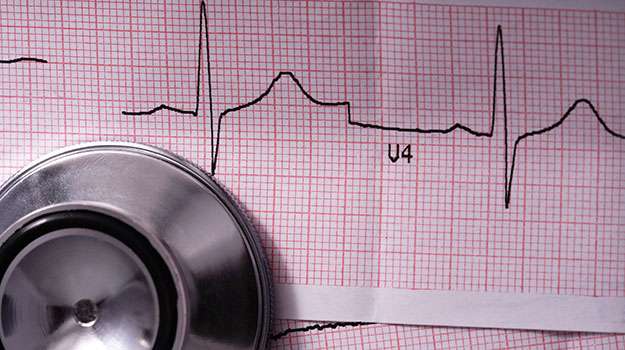
Congestive Heart Failure (CHF) occurs when the heart cannot pump blood efficiently. It's a chronic condition that requires ongoing management but with lifestyle adjustments, individuals can lead fulfilling lives despite it.
- The main signs include shortness of breath, fatigue during daily activities, and swelling in the legs or abdomen due to fluid retention.
The management plan usually consists of dietary modifications such as low-sodium diets combined with regular physical activity tailored to individual capabilities.
Your doctor may also prescribe medications to alleviate symptoms.
A comprehensive strategy assists in significantly improving life quality for CHF patients through better symptom control and enhanced well-being.
ATRIAL FIBRILLATION MANAGEMENT
Atrial fibrillation (AFib) is an irregular heartbeat that can lead to serious complications if not managed properly. It can cause palpitations, fatigue, and may increase the risk of stroke if left untreated.
- The condition is often diagnosed through an Echocardiogram, while symptoms might include feelings of rapid heartbeat or weakness during exertion.
A variety of treatment options exist including lifestyle changes like reducing alcohol intake or managing stress levels. Medications might be prescribed to regulate heart rhythm or prevent blood clots. Regular follow-ups are essential for effective management and monitoring any changes in condition.
A proactive approach helps ensure effective control over atrial fibrillation and improves quality of life for those affected.
HEART DISEASE RISK ASSESSMENT
An assessment of heart disease risk involves evaluating factors that contribute to cardiovascular problems. Understanding these risks plays an essential role in prevention strategies.
- The primary symptoms might not be evident until significant damage occurs, so early assessment is crucial.
- Your doctor will consider personal history & family history as part of the evaluation process.
- Lifestyle factors such as diets, exercise habits, and smoking status are vital components in determining your risk profile.
- This assessment often includes tests like EKGs or stress tests to measure heart function under various conditions.
If identified early, changes in lifestyle can significantly decrease your risk of developing heart-related issues in the future.
CHOLESTEROL MANAGEMENT
Managing cholesterol levels is vital for maintaining heart health and preventing cardiovascular diseases. High cholesterol usually does not produce any symptoms but can increase the risk of heart attack and stroke over time.
- Causes often include poor diet, lack of physical activity, and genetics.
- A doctor will typically perform a blood test called a lipid panel to assess cholesterol levels.
- Treatment may involve dietary adjustments like reducing saturated fats and incorporating more fiber-rich foods.
- Your provider may also recommend regular physical activity to enhance heart health.
- In some cases, medications like statins may be necessary to help manage levels effectively.
A proactive approach helps in keeping cholesterol at healthy levels and promotes overall well-being.
HYPERTENSION MANAGEMENT
Hypertension, commonly known as high blood pressure, is a serious health condition that can lead to various complications if left unmanaged. It often has no noticeable symptoms, making regular monitoring essential.
- Symptoms may include headaches, dizziness, or shortness of breath in severe cases.
- This condition is typically diagnosed through routine blood pressure measurements.
- Management options include lifestyle modifications such as a balanced diet, regular exercise, and potentially medication.
- Monitoring your blood pressure regularly is crucial for understanding your progress.
- Your healthcare provider may suggest additional tests to check for any underlying causes of hypertension.
Making the necessary changes can significantly improve overall health and reduce the risk of heart-related issues.